 Demian Sahputra
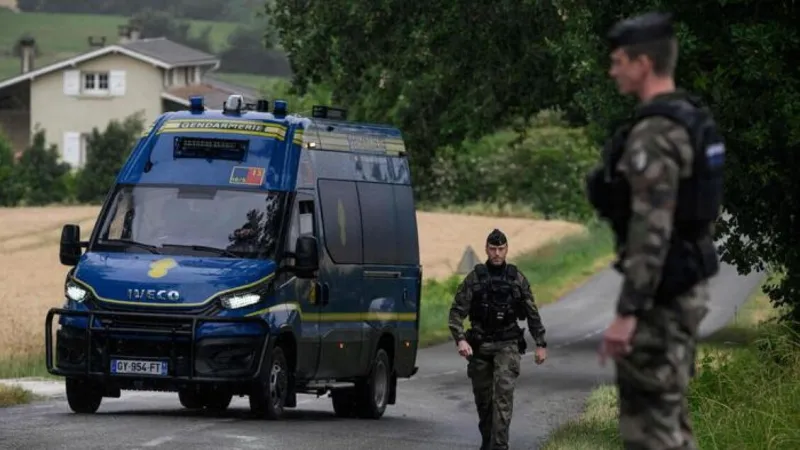
PARIS — The brutal killing of 11-year-old Lyhanna in France has ignited a nationwide outpouring of grief, anger, and contentious debate, particularly after authorities identified a suspected perpetrator reportedly known to law enforcement. President Emmanuel Macron declared the incident “unacceptable” and demanded a thorough investigation, amplifying public demands for accountability and systemic review.
The 11-year-old girl was found dead, triggering immediate shock waves across the nation already grappling with persistent concerns about child safety and the efficacy of the justice system in handling repeat offenders. The discovery of her body has prompted widespread sorrow and furious calls for stricter measures against individuals with prior convictions for similar offenses.
The suspect, whose identity has not been fully released but is widely reported to have a history of offenses, was quickly apprehended. This development has fueled public indignation, raising critical questions about how an individual with a known criminal past could allegedly commit such a heinous act against a child.
President Macron's swift condemnation underscores the gravity of the situation, which has transcended local tragedy to become a national crisis of confidence. His call for an investigation reflects the urgent need to understand any potential failings within oversight mechanisms or the judicial system.
The case has intensified scrutiny on France's legal frameworks concerning monitoring and rehabilitation of convicted sex offenders. Many citizens and political figures are now openly questioning whether current protocols are sufficient to protect vulnerable populations, especially children.
In communities throughout France, vigils and demonstrations have emerged as citizens express their solidarity with Lyhanna's family and voice their collective outrage. The tragedy serves as a poignant reminder of the enduring societal challenges in safeguarding the youngest members of society from harm.
Legal experts and child protection advocates are weighing in, emphasizing the complexities involved in preventing such crimes while also calling for a review of existing policies. The consensus building is that a multifaceted approach, combining rigorous surveillance with preventative education, is essential.
This incident parallels other high-profile cases involving juveniles that have sparked national debate on juvenile crime and the effectiveness of law enforcement interventions, such as the detention of a teen in a fatal Milan station slaying, as referenced in other news reports.
The government now faces immense pressure to provide concrete answers and implement reforms that address the perceived gaps in protection. The public is demanding not just justice for Lyhanna, but also assurances that similar tragedies will be prevented in the future.
As the investigation continues, the narrative surrounding Lyhanna's killing is expected to dominate national discourse for weeks, potentially shaping future legislative discussions on public safety and child protection laws in France. The nation mourns, seeking both understanding and profound change. This ongoing story highlights critical issues also discussed in previous reports like France Mourns Lyhanna, 11; Repeat Sex Offender Suspected in Brutal Killing, underscoring the persistent nature of such grave concerns.