 Chandra Wijayanto
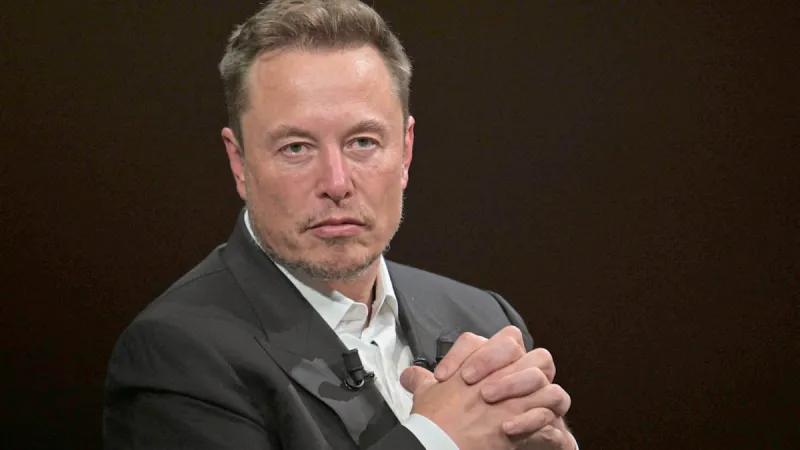
BERLIN – German public broadcaster ZDF is facing severe legal and financial repercussions after tech magnate Elon Musk demanded a cease-and-desist declaration concerning what he alleges are false claims aired about his involvement in the Belfast riots. This decisive action by Musk threatens the publicly funded network with substantial costs and reputational damage.
The specific content of the contentious claims, broadcast across multiple ZDF programs, inaccurately linked Musk to the civil unrest in Belfast, prompting his immediate demand for a formal retraction and assurance against future false reporting. This initial move by Musk signals a robust defense against perceived media misinformation.
Journalist Christoph Lemmer, commenting on the situation, stated, "Im ZDF ist grundlegend etwas kaputtgegangen," translating to, "Something fundamental has broken down at ZDF." His assessment underscores a growing concern within media circles regarding the accuracy and diligence of public broadcasting.
Recent reports further indicate that Musk has already secured a concession from ZDF regarding these claims. This development elevates the dispute from a mere demand into the precursor of a potentially extensive damages battle, with financial implications for the German broadcaster now appearing more concrete.
The nature of the concession remains undisclosed, but its existence implies that ZDF acknowledges at least some validity in Musk's complaints. This shift from denial to acknowledgement is often a critical juncture in defamation cases, paving the way for monetary claims.
Musk, known for his direct challenges to media narratives and public discourse, has frequently utilized legal avenues to address what he considers inaccurate or biased reporting. His proactive stance against ZDF aligns with a broader pattern of challenging established institutions.
The Belfast riots, a period of significant civil disturbance, have been the subject of numerous media analyses. Attributing involvement to a high-profile figure like Musk without verifiable evidence represents a serious breach of journalistic ethics and potentially, legal standards.
For a national public broadcaster like ZDF, which relies on public trust and funding, such an accusation of spreading false information carries considerable weight. The outcome of this dispute could set a precedent for how public figures can challenge major media organizations in Germany and beyond.
Legal experts suggest that a cease-and-desist declaration, when followed by a concession, typically strengthens the plaintiff's position for pursuing damages. The magnitude of these damages would depend on the extent of the false claims, the viewership reach of the broadcasts, and the demonstrable harm caused to Musk's reputation.
The broader implications for media accountability are profound. In an era rife with concerns about misinformation, the case serves as a stark reminder of the imperative for rigorous fact-checking and editorial oversight, especially from institutions tasked with public information.
ZDF has yet to issue a comprehensive public statement regarding the specific terms of the concession or the ongoing legal implications. This silence suggests a cautious approach as the broadcaster navigates a complex legal landscape.
This situation unfolds against a backdrop of increasing scrutiny on media entities to maintain accuracy and fairness, particularly when reporting on influential figures whose public image directly impacts their various global ventures. The integrity of news dissemination remains paramount.
The confrontation with Musk could prompt an internal review of ZDF's editorial processes and fact-verification protocols. Such incidents often trigger a reevaluation of standards to prevent future occurrences and rebuild trust.
The case also highlights the evolving power dynamics between traditional media outlets and individuals with massive public platforms, like Musk, who can leverage their influence to directly challenge narratives.
As the legal proceedings are expected to advance, observers will closely monitor the financial penalties and any mandated changes to ZDF's reporting practices. The resolution will undoubtedly resonate throughout the European media landscape.