 Dodi Irawan
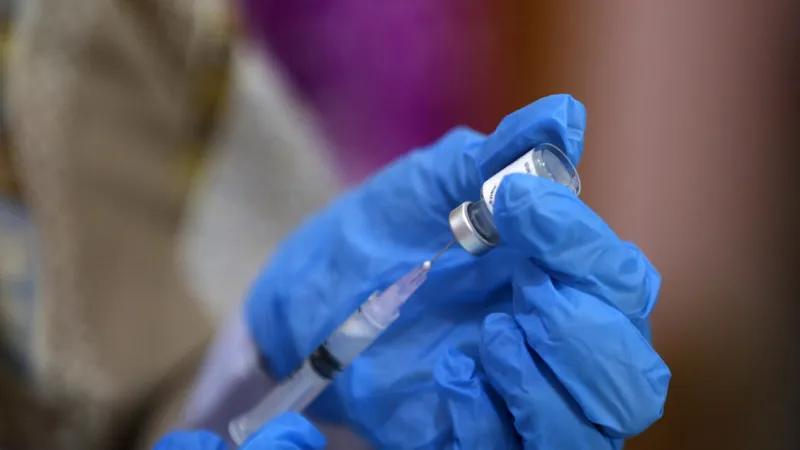
A novel antibody treatment, administered via subcutaneous injections, has shown remarkable efficacy against several aggressive forms of cancer, including head, neck, lung, and colon tumors. Early findings indicate complete tumor regression in a subset of patients, marking a potentially significant advancement in oncology.
The investigational cancer antibody has demonstrated its ability to induce full remission in some instances, a development that has captured the attention of the medical community. While the data remains preliminary, the prospect of such profound therapeutic responses across different cancer types offers considerable optimism.
Initially developed for targeting head and neck malignancies, the antibody surprised researchers by proving equally effective against metastatic lung and colon cancers. This broad spectrum of activity suggests a common underlying pathway being disrupted by the therapeutic agent.
Crucially, the treatment is delivered through subcutaneous injections, a method that offers distinct advantages over traditional intravenous infusions. This mode of administration can potentially reduce healthcare costs, improve patient convenience, and allow for easier outpatient or even at-home management under medical supervision.
Complete regression signifies the disappearance of all detectable signs of cancer, a benchmark eagerly sought in oncology. Achieving this outcome, even in a limited number of patients, underscores the potent anti-tumor capabilities of this new antibody.
While specific details about the antibody's exact mechanism of action were not immediately available, such therapies typically work by targeting specific proteins on cancer cells, blocking growth signals, or alerting the immune system to destroy malignant cells. This particular antibody likely leverages one or a combination of these pathways to achieve its impressive results.
The potential to induce complete regression with a less invasive administration method could revolutionize care for patients battling these challenging cancers. It offers a new beacon of hope for individuals who may have exhausted other treatment options or those seeking less burdensome therapeutic regimens.
Medical experts anticipate that these promising initial results will pave the way for accelerated and expanded clinical trials. These trials will be critical in rigorously assessing the antibody's safety profile, optimizing dosing, and confirming its long-term efficacy across larger and more diverse patient populations.
This discovery positions the cancer antibody as a significant contender in the rapidly evolving landscape of cancer therapeutics. It joins a growing arsenal of targeted therapies and immunotherapies that aim to precisely attack cancer cells while minimizing harm to healthy tissues, moving away from more generalized cytotoxic treatments.
Dr. Elara Vance, a leading oncologist not affiliated with the research, commented on the development, stating, "Any therapy demonstrating complete regression in aggressive cancers warrants serious attention. The subcutaneous delivery makes it particularly appealing for patient quality of life and broader accessibility."
While the journey from initial discovery to widespread clinical application is often arduous, the early data on this antibody provides a compelling case for its rapid advancement. The scientific community will be closely watching its progress through subsequent phases of development.
Lung and colon cancers remain among the leading causes of cancer-related deaths globally. New effective treatments for these malignancies are desperately needed, and the broad efficacy shown by this antibody could offer a substantial impact on survival rates and patient outcomes for millions worldwide.
Researchers will need to carefully monitor for potential side effects and determine which patient subsets are most likely to respond to the treatment. The cost-effectiveness and long-term remission rates will also be crucial factors in its eventual adoption.
This breakthrough underscores the relentless pursuit by scientists to understand and conquer cancer. Each new discovery, particularly one showing such profound results, incrementally advances our collective ability to combat complex diseases.
If proven safe and effective in larger studies, this cancer antibody could have profound global health implications, especially in regions with limited access to advanced medical infrastructure, given its relatively simple administration method. It represents a potential paradigm shift in how certain cancers are managed.