 Dorry Archiles
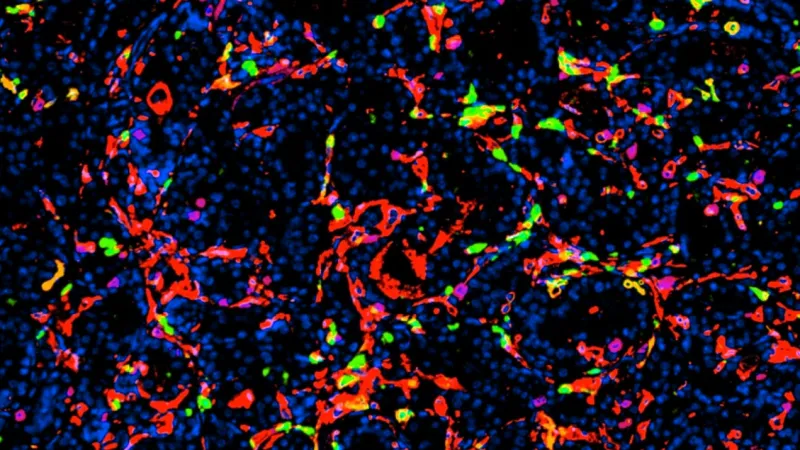
Recent groundbreaking research has revealed that specialized nanoparticles effectively eradicated prostate cancer cells and led to complete remissions during preclinical trials conducted on laboratory mice, signaling a significant advancement in oncology. This scientific development offers a promising new frontier in the long-standing battle against one of the most prevalent cancers affecting men globally.
The findings, detailed by leading research teams, underscore the potential for a new class of targeted therapies. Prostate cancer, a disease that claims hundreds of thousands of lives annually, has long necessitated more precise and less invasive treatment options. Existing treatments often carry significant side effects, impacting patients quality of life.
Scientists engineered these innovative nanoparticles to specifically target and infiltrate prostate cancer cells while sparing healthy tissue. This highly selective mechanism represents a crucial improvement over conventional chemotherapy, which indiscriminately attacks both cancerous and non-cancerous cells, leading to severe adverse reactions.
During the rigorous tests conducted on murine models, the nanoparticles demonstrated exceptional efficacy. Researchers observed not only the significant reduction of tumor mass but, critically, complete remission in a substantial number of test subjects. This outcome suggests the treatment may offer a durable solution rather than merely a palliative measure.
The mechanism involves the delivery of therapeutic agents directly to the malignant cells. Once inside, these agents activate specific pathways that induce cell death, effectively dismantling the cancer from within. This precision minimizes systemic toxicity, a common drawback of current pharmacological interventions for advanced prostate cancer.
Experts in the field of molecular oncology anticipate that this breakthrough could pave the way for a paradigm shift in cancer therapy. The ability to achieve complete remission in animal models provides a strong rationale for progressing toward human clinical trials, albeit with the understanding that such transitions are complex and require extensive validation.
Developing safe and effective treatments for prostate cancer remains a global health priority. The inherent challenges of drug delivery to specific tumor sites have historically hampered the success of many experimental therapies. Nanotechnology, however, presents a robust platform to overcome these obstacles.
The research teams are now focusing on scaling up production of these nanoparticles and conducting further toxicology studies to ensure their safety profile for human application. The transition from preclinical success to a viable human therapy is a lengthy process, often spanning several years, requiring meticulous investigation and regulatory approval.
This development comes at a time when medical science is increasingly leveraging interdisciplinary approaches. The convergence of nanotechnology, molecular biology, and oncology is creating unprecedented opportunities to tackle complex diseases like cancer with innovative solutions.
While the path to a widely available treatment remains long, these preliminary results ignite substantial hope. The prospect of a therapy capable of achieving complete remission for prostate cancer, with reduced side effects, represents a monumental stride forward for patients and clinicians worldwide.
Future research will explore the potential adaptability of these nanoparticle systems to target other forms of cancer, broadening their therapeutic impact. The fundamental principles of targeted delivery and selective cell eradication could revolutionize treatment protocols across various oncological conditions.