 Chris Robert
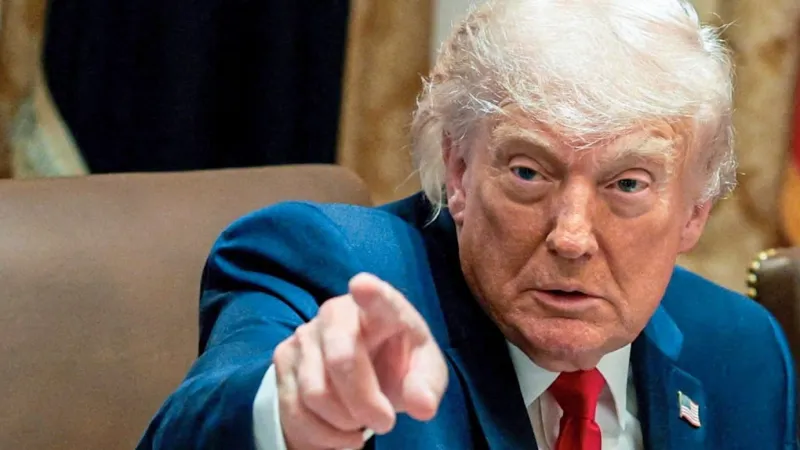
WASHINGTON – The US military launched retaliatory strikes against targets in Iran today, confirming the action came in direct response to Iran shooting down an American combat helicopter in the strategic Strait of Hormuz. President Donald Trump addressed the nation, characterizing the operation as a “necessary reaction to Iranian aggression.”
The Pentagon revealed the strikes targeted specific infrastructure within Iran, though details regarding the scope and exact locations remain under tight wraps. These military actions mark a significant escalation in already fraught relations between Washington and Tehran, raising alarms across the international community.
The incident precipitating the US response occurred earlier this week when an American combat helicopter, reportedly an Apache, was brought down while operating in international airspace near the Strait of Hormuz. Tehran had claimed responsibility for the downing, alleging the aircraft violated its airspace, a claim vehemently denied by US officials. This event previously prompted President Trump to vow firm retaliation, as reported in articles like Iran Downs US Apache: Trump Vows Retaliation Amid Mideast Tensions.
Speaking from the White House, President Trump stated, “America will always defend its personnel and interests. This was not an act of provocation, but a necessary reaction to Iranian aggression that directly threatened our forces.” He emphasized the United States' commitment to maintaining stability and freedom of navigation in vital global waterways.
The Strait of Hormuz, a narrow passage connecting the Persian Gulf with the Arabian Sea, serves as a crucial transit point for a substantial portion of the world's oil supply. Disruptions or increased militarization in the strait routinely trigger global economic anxieties and heighten geopolitical tensions.
Allies and adversaries alike are closely monitoring the unfolding situation. European leaders have urged de-escalation, expressing concerns that a wider conflict in the Middle East could have devastating consequences for regional stability and global energy markets. The precise nature of international diplomatic efforts currently underway remains unclear.
Iran has historically responded forcefully to perceived foreign aggression, and analysts predict a strong denouncement of the US strikes, likely coupled with threats of further retaliation. Iranian state media has yet to issue an official statement on the US attacks, but sources indicate an emergency meeting of Iran's National Security Council is underway.
Tensions between the US and Iran have been simmering for years, exacerbated by disagreements over Iran's nuclear program, its regional influence, and sanctions imposed by Washington. This latest exchange marks a dangerous intensification, moving beyond proxy conflicts to direct military engagement.
Regional powers, particularly Saudi Arabia and Israel, are also deeply invested in the dynamics of US-Iran relations. While supporting firm action against Iranian threats, they also face the immediate implications of any further escalation. Israel, for instance, remains vigilant, as evidenced by its focus on security amidst broader regional warnings from President Trump, a topic explored in Israel Prioritizes Security Amid War Weariness, Weighs President Trump Warning.
The immediate future hinges on Iran's official response and whether diplomatic channels can be opened to prevent a full-blown military confrontation. The international community anxiously awaits signs of de-escalation from both sides, aware that miscalculations could rapidly spiral out of control.
Beyond the immediate human cost, a sustained conflict in the region would inevitably send shockwaves through global oil markets, potentially causing price spikes and economic instability worldwide. Shipping routes through the Strait of Hormuz would face unprecedented risks, impacting trade and supply chains.
The US military has indicated that its forces in the region remain on high alert, prepared for any further Iranian actions. Defense officials stated that appropriate measures have been taken to protect American personnel and assets, reiterating the US commitment to freedom of navigation.
Despite the military action, many international bodies and several nations have renewed calls for immediate diplomatic engagement. The United Nations Secretary-General issued a statement urging both Washington and Tehran to exercise maximum restraint and pursue dialogue to resolve their differences peacefully.