 Debby Wijaya
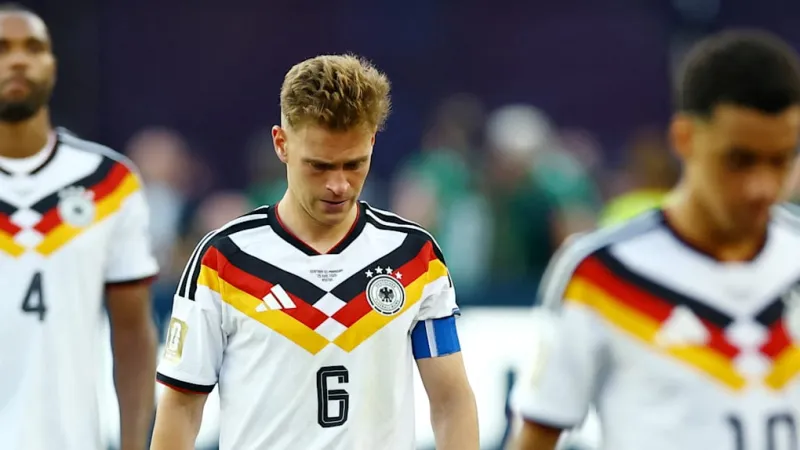
DOHA, QATAR — The locker room of the German national football team became a scene of profound despair following their unforeseen and humiliating elimination from the World Cup. Tears flowed freely among players and staff, marking a poignant end to a campaign riddled with underperformance and shattered aspirations, as public discourse immediately pivoted to the future of coach Julian Nagelsmann and the looming question of his potential successor. The abrupt departure has not only plunged the squad into an emotional abyss but has also ignited a national debate about the direction of German football.
The immediate aftermath of the final whistle unveiled raw human emotion. Veteran players, typically stoic figures, were seen openly weeping, their faces etched with the pain of disappointment and the weight of national expectation. The dream of World Cup glory, once again, slipped through their grasp, leaving behind a profound sense of collective failure.
Sources close to the team protocol described a somber flight home, a stark contrast to the usual camaraderie that accompanies such journeys. Onboard, Bundestrainer Julian Nagelsmann, visibly shaken by the outcome, found solace in the quiet comfort offered by his wife. This private moment underscored the personal toll exacted by the intense scrutiny and crushing defeat on those at the helm of a national squad.
The elimination has been widely dubbed a disgrace by German media and fans alike, echoing sentiments from previous early exits. The nation, a perennial football powerhouse, grapples with understanding how a squad boasting considerable talent could repeatedly falter on the grandest stage. This latest debacle has intensified calls for fundamental reforms within the German Football Association.
Focus swiftly shifted to Nagelsmanns tenure. Appointed with high hopes, the young coach now faces immense pressure. His tactical decisions and team selections have come under scrutiny, prompting discussions about whether he possesses the necessary experience or philosophical alignment to steer Germany out of its current slump.
Prominent football figures have not hesitated to weigh in on the succession question. Respected manager Jurgen Klopp, whose name consistently surfaces in such discussions, recently commented on the challenges and potential paths forward for German football, indirectly addressing the coaching role. His remarks add significant weight to the ongoing speculation, especially considering National Outcry: Klopp Emerges As Germany's Post-World Cup Hope.
The discussion around a potential successor has been vibrant. Former national player Jens Lehmann previously suggested an alternative Jurgen for the coaching position, a clear nod to the widespread desire for a figure like Klopp to revitalize the team. This sentiment highlights the yearning for a transformative leader, as detailed in Lehmann Suggests Alternative Jurgen for Germany Coaching Role.
Indeed, the World Cup exit is seen by many as more than just a sporting failure; it mirrors a broader crisis in German football. Analysts point to systemic issues ranging from youth development to strategic planning. This perspective suggests that a mere change of coach might not be sufficient to address the deep-seated problems plaguing the national team, a point exacerbated by Germany's World Cup Exit Mirrors National Crisis, Spurs Calls for Reform.
Lothar Matthäus, another legend of German football, has offered his assessment, pinpointing team discord and a lack of cohesive spirit as critical factors contributing to Germany's dismal performance. His insights underscore the internal challenges that perhaps overshadowed any tactical shortcomings. His analysis resonates with the findings in Matthäus Pinpoints Team Discord As Key to Germany's World Cup Debacle.
The defeat, notably against Paraguay in a stunning upset that concluded in a penalty shootout, sent shockwaves across the football world. Paraguay Delivers Stunning World Cup Upset, Eliminates Germany on Penalties, irrevocably sealing Germany's fate and fueling the immediate calls for accountability.
The German Football Association now faces the formidable task of conducting a thorough review. This process will undoubtedly involve scrutinizing every aspect of the team's preparation, performance, and management structure. The decisions made in the coming weeks will be crucial in shaping the trajectory of German football for years to come.
Public discourse continues to rage, with fans demanding transparency and decisive action. The expectation is not merely for a new face in the dugout but for a comprehensive strategy to restore the national team to its former glory. This includes fostering a winning mentality and reinvigorating the passion that once defined Die Mannschaft.
The question of whether Nagelsmann will weather this storm remains open. While some argue for continuity and time to implement his vision, others believe a fresh start is imperative. The pressure on the DFB leadership is immense, as they must balance immediate public demand with long-term strategic planning.
Klopp, currently managing Liverpool, has repeatedly stated his commitment to his club. However, the allure of leading his home nation, especially in a period of crisis, perpetually makes him a subject of national hope. His potential availability, or lack thereof, significantly influences the coaching market.
The search for leadership extends beyond the coaching staff. Many observers suggest that a cultural shift is required within the entire footballing infrastructure in Germany. This includes reassessing player development pathways, coaching philosophies at all levels, and the overall governance of the sport.
The emotional scars of this World Cup exit will undoubtedly linger. However, they also present an opportunity for introspection and fundamental change. German football stands at a crossroads, where the decisions made now will determine whether this defeat marks a temporary setback or a prolonged decline.
The public and media will be closely watching the DFB's next moves. Any perceived missteps or delays in addressing the systemic issues could further erode trust and deepen the crisis of confidence. The path to redemption will be long and arduous, demanding courage and strategic foresight.