 Dodi Irawan
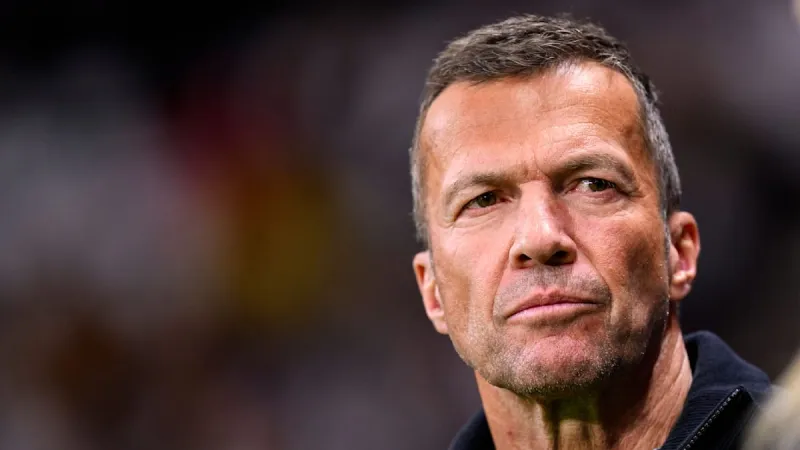
Football legend Lothar Matthäus offered a forthright assessment following Germany's premature departure from the recent World Cup, attributing the national team's disappointing performance to significant internal discord. Speaking publicly after the elimination, Matthäus pinpointed a specific unresolved issue within the squad that, in his estimation, fostered considerable unrest and ultimately undermined team cohesion.
The former captain and World Cup winner did not mince words, providing a candid perspective that many observers of German football have long speculated about. His commentary provides crucial insight into the dynamics behind one of Germany's most unexpected early exits from the global tournament.
Germany's national team, a perennial powerhouse in international football, faced an ignominious exit, failing to advance beyond the group stages. This shocking performance sent ripples through the footballing world, prompting widespread calls for introspection and systemic change within the German Football Association (DFB). A previous report highlighted the scale of the upset: World Cup Shocker: Germany, Netherlands Stumble Out in Dramatic Night.
Matthäus, renowned for his outspoken nature and deep understanding of the sport, underscored that the underlying tensions were not superficial. He asserted that the contentious issue was widely recognized and actively discussed among the players, indicating a pervasive atmosphere of internal disquiet long before their final match.
The veteran analyst suggested this particular problem created an environment detrimental to peak performance and collective spirit. A unified locker room is often cited as a cornerstone of successful campaigns, and any significant rupture can have profound effects on morale and on-field chemistry.
While Matthäus did not publicly disclose the precise nature of the disruptive element, his remarks have fueled widespread speculation among football pundits and fans alike. Discussions range from internal leadership struggles to conflicts over tactical approaches or even personal rivalries that festered behind the scenes.
Germany's footballing establishment has been under intense scrutiny, particularly after a series of underwhelming tournament performances. The World Cup exit in 2026 adds another chapter to a period of reassessment for a nation accustomed to deep runs in major competitions, such as when Paraguay Delivers Stunning World Cup Upset, Eliminates Germany on Penalties.
Experts and former players have called for greater transparency and accountability within the DFB, urging a thorough investigation into the factors contributing to the national team's decline. Matthäus's comments are likely to intensify these demands, placing further pressure on current management and coaching staff.
Matthäus's voice carries significant weight in German football. As a player, he captained West Germany to victory in the 1990 World Cup and is widely regarded as one of the sport's all-time greats. His insights are rarely dismissed lightly, often sparking national debates and prompting official responses.
The revelations from Matthäus underscore the critical need for comprehensive reforms within the German national team setup. Addressing the cultural and structural issues highlighted by such outspoken figures will be paramount if Germany hopes to reclaim its status as a dominant force in international football.
The persistent theme of internal unrest, now amplified by a respected figure like Matthäus, paints a challenging picture for the DFB. Overcoming these deep-seated issues will require more than just tactical adjustments; it demands a clear strategy for fostering unity and shared purpose among players.
As the football world awaits further details or official responses, Matthäus's statement serves as a potent reminder that success on the pitch is often a reflection of harmony and discipline off it. The path forward for Germany will undoubtedly involve confronting these internal dynamics head-on.