 Robert Andrison
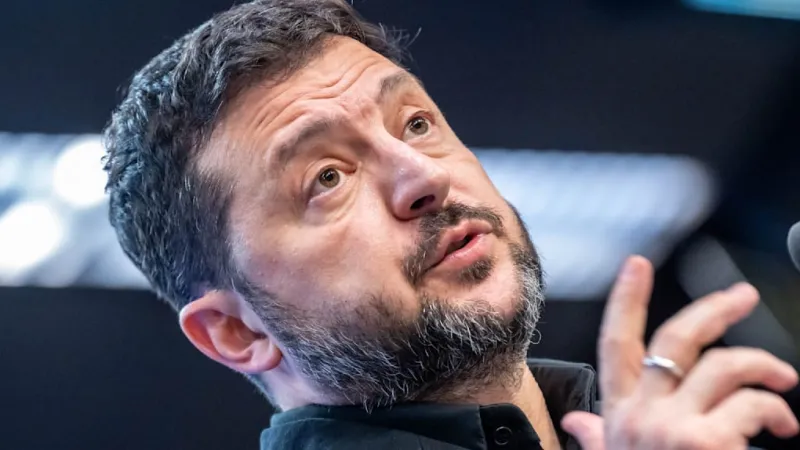
Kyiv – Ukrainian President Volodymyr Zelensky announced Tuesday that vital U.S. intelligence assistance, crucial for missile defense systems, has fully resumed, offering reassurance to Kyiv amid escalating apprehension over potentially waning support from Washington. The confirmation comes after a period of uncertainty regarding the steadfastness of American commitment to Ukraine's defense efforts.
Concerns had grown in the Ukrainian capital in recent weeks following perceived shifts in Washingtons foreign policy discourse under President Donald Trumps administration. These shifts led many in Kyiv to question the long-term trajectory of military and intelligence cooperation.
Speaking to national media, President Zelensky emphasized the operational status of the intelligence flow. He highlighted its indispensability for effectively countering ongoing aerial threats and protecting civilian infrastructure. This clarity seeks to allay internal anxieties and present a unified front.
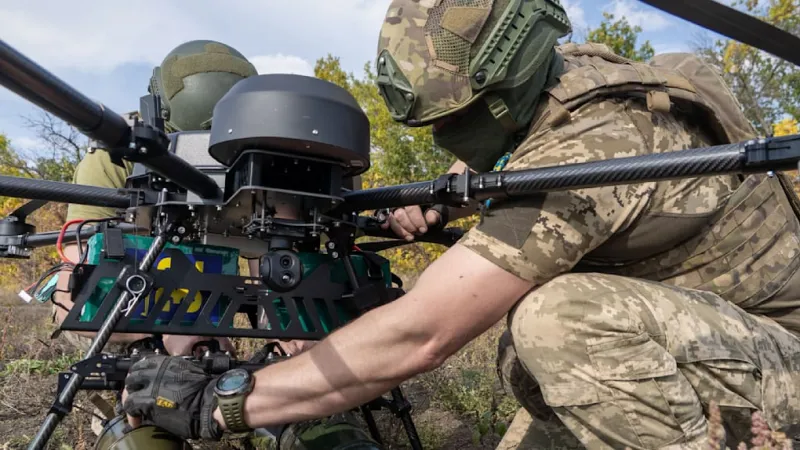
The intelligence partnership provides Ukraine with critical real-time data, enabling its forces to anticipate and intercept incoming missile and drone attacks. Without this detailed information, the efficacy of even advanced defense systems diminishes significantly.
The United States has been a primary benefactor of Ukraine since the full-scale invasion began, providing billions in military, financial, and humanitarian aid. This renewed intelligence commitment underscores a fundamental aspect of that long-standing support.
The concerns in Kyiv were not unfounded. Public statements from various American officials and legislative debates had hinted at a reevaluation of foreign aid priorities, prompting strategic recalculations within the Ukrainian government.
This development sends a strong signal to allies and adversaries alike about the enduring nature of the U.S.-Ukraine partnership. It aims to stabilize perceptions of Washingtons commitment on the global stage, especially concerning regional security.
For Ukraine, maintaining robust intelligence sharing is paramount. It allows for optimized resource allocation for missile defense, safeguarding critical assets and minimizing casualties during persistent attacks.
While the immediate crisis of intelligence cessation appears resolved, Ukrainian officials are likely to continue advocating for unequivocal and consistent American backing across all sectors of defense. The incident serves as a reminder of the delicate balance in international alliances.
The path ahead remains challenging, but the assurance regarding U.S. intelligence aid provides a tactical advantage that Kyiv desperately requires. It represents a crucial operational lifeline in the ongoing conflict.
This announcement may also open avenues for further discussions between Washington and Kyiv concerning other forms of military aid and long-term strategic planning, reinforcing the comprehensive nature of their alliance.