 Debby Wijaya
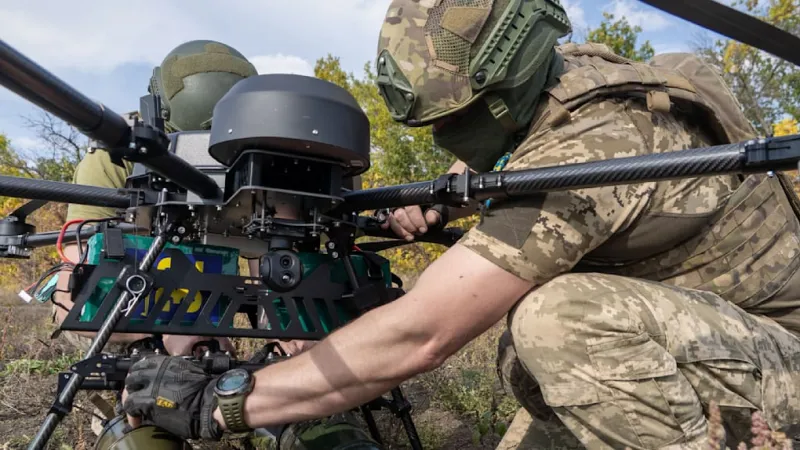
STOCKHOLM – Swedish Defense Minister Pal Jonson has forcefully called on European nations to deploy immediate support mechanisms for Ukraine, citing mounting uncertainty over continued US aid to Kyiv and the escalating threat of Russia's hybrid warfare. Jonson's remarks, made during a recent interview, underscore a growing imperative for European strategic autonomy as global geopolitical currents shift.
The minister emphasized that Europe possesses considerable leverage to provide swift and impactful assistance, arguing that the continent must now activate these capabilities without delay. This urgency stems directly from the increasingly precarious position of US backing for Ukraine, a critical element in Kyivs defense against ongoing Russian aggression.
Doubt surrounding the steadiness of US commitment has intensified, particularly given statements and policy directions emanating from the administration of President Donald Trump. Such pronouncements have caused concern among allies who view sustained support for Ukraine as paramount to European security.
Indeed, the prospect of a fluctuating US policy has been a topic of intense discussion across European capitals. Concerns about President Trump's approach have been echoed by figures like EU Defense Chief, who in 2026 alleged that Trump gambles with Kremlin, Ukraine fate, highlighting the profound anxieties within the transatlantic alliance.
Jonson specifically outlined two mechanisms that Europe could immediately activate to bolster Ukraine. While not detailing the exact nature of these initiatives, he implied they would involve robust financial and military coordination, designed to bypass potential delays or shortfalls from other international partners.
Beyond direct material aid, the Swedish minister also pressed for a significantly harder stance against Russias pervasive hybrid attacks. These multifaceted assaults, ranging from sophisticated cyber operations and disinformation campaigns to energy manipulation and political interference, aim to destabilize European societies and undermine support for Ukraine.
Combating this insidious form of warfare requires a coordinated, robust, and proactive European response, Jonson asserted. He suggested that existing European Union and NATO frameworks could be utilized more effectively, or new structures established, to defend against these non-conventional threats.
Europe, Jonson argued, has a profound strategic interest in ensuring Ukraine's resilience and ultimate victory. The continent cannot afford to be passive observers while the foundational principles of international law and sovereign integrity are challenged on its doorstep.
While European nations have collectively provided substantial aid to Ukraine since the full-scale invasion began, the current geopolitical climate necessitates a critical re-evaluation of current efforts. The call for immediate action implies a need for greater speed, scale, and solidarity in future assistance programs.
Integrating nations like Sweden, which officially joined NATO earlier this year, enhances the collective security architecture of Europe. This new dynamic provides additional avenues for coordinated defense and support, potentially strengthening the mechanisms Jonson advocates.
The effectiveness of any new European initiative will hinge on political will and unanimous commitment from member states. Overcoming bureaucratic hurdles and diverging national interests will be crucial to delivering the impactful, timely aid Ukraine desperately needs.
As President Donald Trump continues to navigate a complex global landscape, statements from various leaders, including President Zelenskyy himself, have underscored the delicate balance in US-Ukraine relations. Zelenskyy previously stated there was no personal feud with Trump, yet warned of strained ties, reflecting the high stakes involved for Kyiv.
Ultimately, Jonson's powerful message serves as a stark reminder that the security of Ukraine is inextricably linked to the broader security and stability of Europe. The moment for European leadership and decisive action, he contends, is now.