Dorry Archiles
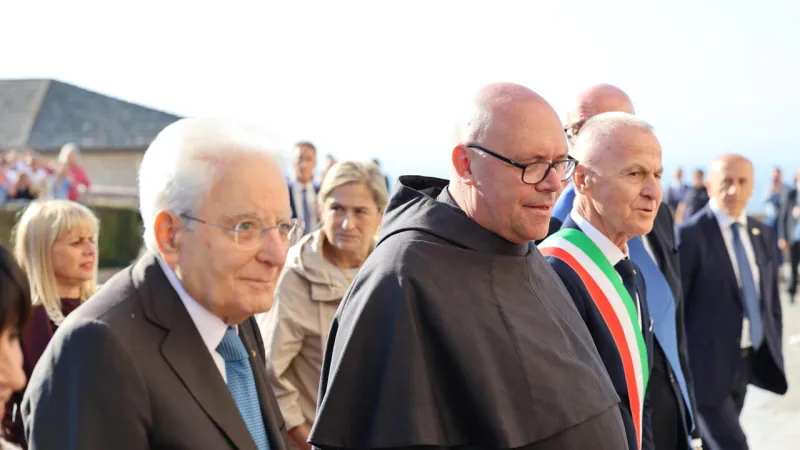
ASSISI, Italy – Italy has formally reinstated October 4 as a national holiday to honor Saint Francis, the nation's patron saint, with President Sergio Mattarella spearheading official celebrations here today. The solemn occasion marks a significant moment for national identity and spiritual heritage, drawing dignitaries and pilgrims alike to the historic Umbrian city for a day of reverence and festivity.
The decision to restore Saint Francis Day to its previous status as a public holiday underscores a renewed governmental emphasis on cultural and religious traditions. This move, years in the making, culminates in widespread public appreciation, recognizing the enduring legacy of the mendicant friar whose life exemplified peace, poverty, and ecological stewardship.
President Mattarella's presence in Assisi elevates the day's significance, transforming the observance from a regional celebration into a national affirmation. His participation highlights the state's recognition of Saint Francis not merely as a religious figure but as a foundational symbol of Italian values and humanistic ideals.
Historically, Saint Francis Day held greater prominence in the national calendar. Its reestablishment reflects a broader societal yearning to reconnect with Italy's deep-rooted cultural narratives and the principles that have shaped its identity over centuries. The day traditionally symbolizes unity and reflection for Italians across the peninsula.
The day's program includes a series of solemn religious ceremonies at the Basilica of Saint Francis, followed by civic events throughout Assisi. Local authorities and ecclesiastical leaders have collaborated extensively to ensure a dignified and welcoming atmosphere for all attendees.
Beyond its immediate religious connotations, Saint Francis Day serves as an opportunity for national introspection. His teachings on fraternity and care for creation resonate deeply in contemporary society, offering a framework for addressing modern challenges such as environmental sustainability and social cohesion.
The increased profile of Saint Francis Day as a national holiday also promises to boost tourism for Assisi and the wider Umbria region. Hotels and local businesses anticipate a significant influx of visitors, keen to experience the celebrations firsthand and explore the spiritual heartland of Italy. This revitalization provides a welcome economic impetus to the area.
Local preparations for this grand event have been extensive, as detailed in reports such as Assisi Prepares Grand Festivities for Saint Francis; President Mattarella Expected. The city has meticulously planned logistics to accommodate the crowds, ensuring safety and accessibility for all pilgrims and tourists.
The message of Saint Francis, advocating for peace among peoples and harmony with nature, remains profoundly relevant. His enduring appeal transcends religious boundaries, captivating minds and hearts globally, which further justifies the national recognition of his feast day.
The reintroduction of Saint Francis Day as a national holiday sets a precedent for how Italy approaches its historical and cultural patrimony. It signals a governmental commitment to reinforcing national symbols and fostering a collective sense of heritage in a rapidly evolving world.