 Angel Doris

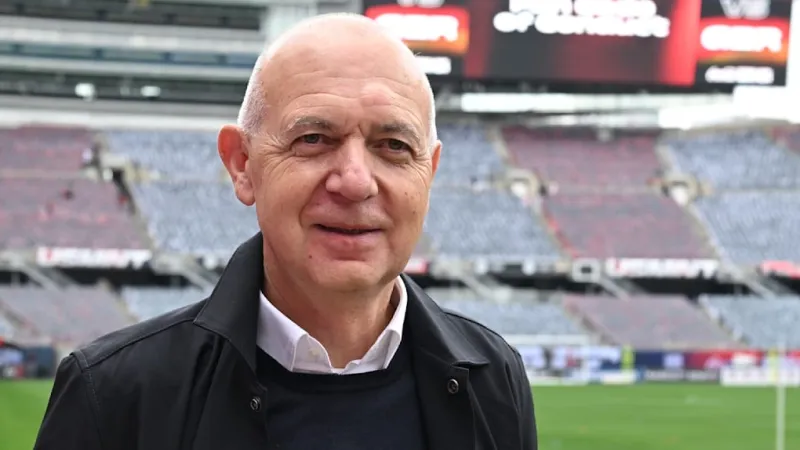
ABIDJAN, Ivory Coast, a nation synonymous with prodigious football talent, continues its role as a prolific global incubator for the sport. From humble beginnings, young Ivorian athletes often harbor fervent dreams of forging careers within the lucrative European leagues, a powerful aspiration that frequently contrasts with the often-empty spectator stands of domestic stadiums. This migration of talent underscores a complex narrative of ambition, economic reality, and the powerful pull of international football.
The West African nation has long been recognized as a fertile ground for developing world-class footballers. Its vibrant street culture and widespread passion for the game create an environment where natural aptitude is honed from a very early age. Thousands of children across the country spend countless hours perfecting their skills, many of them starting their journeys barefoot on dusty pitches before ever seeing a proper training facility.
Elite football academies, now a prominent feature of the Ivorian sporting landscape, serve as critical conduits in this talent pipeline. These institutions offer structured training, academic education, and a pathway to professional development that is otherwise scarce. Such academies attract young hopefuls from every corner of the country, providing them with the discipline and technical instruction necessary to compete on a global stage.
The allure of Europe is multifaceted. Beyond the significantly higher salaries, European clubs offer superior training facilities, advanced medical support, and unparalleled exposure to international scouts and media. For many, a move to a top-tier European league represents not just personal success but also the opportunity to elevate their families and communities out of poverty.
This outward flow of talent, while beneficial to individual players and their families, often comes at the expense of the domestic league. The Ivorian Premier Division struggles with attracting investment and retaining its brightest stars, leading to a perpetual cycle where the best players depart before they can truly captivate local audiences. This contributes significantly to the low attendance figures seen at many local matches.
The phenomenon of Ivorian players excelling abroad is well-documented. Their robust physical attributes, combined with inherent flair and technical prowess, make them highly sought-after commodities in the transfer market. Success stories from Europe inspire new generations, reinforcing the belief that the path to glory lies beyond their national borders.
However, the journey is fraught with challenges. Competition within the academies is relentless, and only a fraction of aspiring players will ever secure a professional contract, let alone one in Europe. Many face the harsh reality of dashed hopes, sometimes after years of dedication and sacrifice.
Moreover, the quest for a European contract can expose young players to exploitation by unscrupulous agents or intermediaries. Promises of trials and lucrative deals often prove hollow, leaving vulnerable athletes stranded far from home with little recourse. Safeguarding these young talents remains a significant concern for authorities and ethical sports organizations.
Despite these obstacles, the dream persists with an unwavering intensity. For many Ivorian families, the success of a single son in European football can transform their fortunes entirely, funding education, housing, and healthcare for relatives back home. This profound impact fuels the collective aspiration that drives the countrys youth towards the sport.
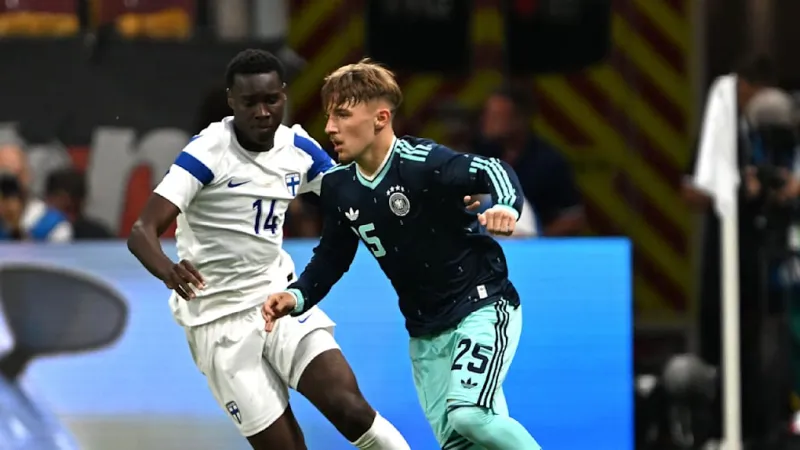
The national team, often comprised almost entirely of players developed in Ivory Coast and honed in European leagues, stands as a testament to this unique system. These athletes represent their nation with pride, showcasing the immense talent cultivated within their homeland on the world stage. Their performance in international tournaments, such as a recent encounter where Germany confronted a stronger Ivory Coast in a pivotal World Cup group match, highlights the strength derived from this talent pool.
Efforts are being made to bolster the local football infrastructure and create more compelling reasons for players to stay longer in the domestic league. These initiatives aim to improve stadium facilities, enhance coaching standards, and increase financial incentives, though progress is slow against the powerful pull of Europe.
Ultimately, the story of Ivorian football is one of remarkable talent generation intertwined with profound socioeconomic aspirations. While the barefoot beginnings may transition into world-class professionalism, the heart of the European dream remains a defining characteristic of the nation's footballing identity.