 Stefani Rindus
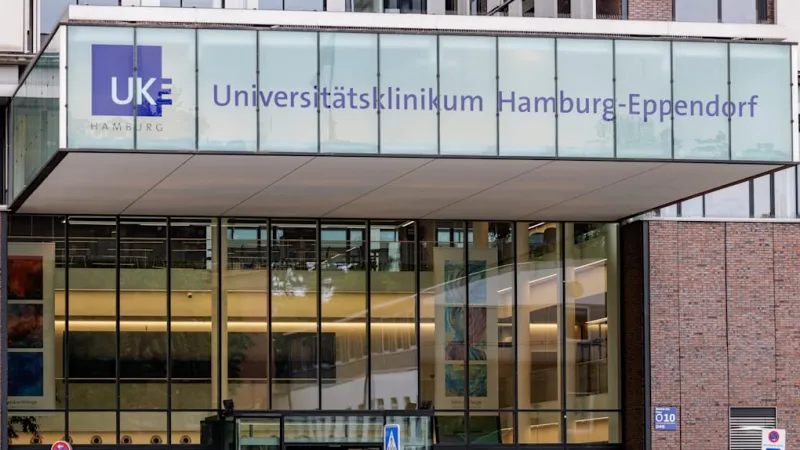
Hamburg is witnessing a significant reconfiguration of its specialized medical landscape as the Boberg Trauma Clinic announces the relocation of its highly complex treatment areas to the University Medical Center Hamburg-Eppendorf (UKE). This strategic move aims to centralize advanced care, with the Boberg facility expected to assume a new, yet unspecified, role within the citys healthcare network; however, the precise consequences for both patient care and the clinics workforce remain a subject of ongoing discussion and concern.
The decision to consolidate highly specialized medical services reflects a broader trend within modern healthcare systems towards optimizing resources and concentrating expertise. By bundling these sophisticated treatments at a major university medical center like UKE, proponents argue for enhanced efficiency, improved access to cutting-edge technology, and a more robust environment for medical research and innovation.
The Boberg Trauma Clinic, renowned for its expertise in severe injury treatment, has long served a critical role in the region. Its proposed transformation involves a fundamental reevaluation of its operational model, shifting away from its prior comprehensive approach to trauma care in favor of a more specialized, yet to be defined, mandate.
Under the new arrangement, the University Medical Center Hamburg-Eppendorf, or UKE, is poised to become the primary hub for the most intricate trauma cases previously handled by the Boberg facility. This integration is anticipated to leverage UKEs extensive infrastructure, multidisciplinary teams, and academic resources, potentially raising the overall standard of care for complex trauma patients.
While the rationale emphasizes improved clinical outcomes, stakeholders are scrutinizing the potential ramifications for patient access. Concerns have emerged regarding longer travel distances for some patients and their families, particularly those residing closer to the current Boberg location. The accessibility of prompt care in critical situations becomes a paramount consideration.
The future role of the Boberg Trauma Clinic itself is still under development, presenting an intricate challenge for healthcare planners. Early indications suggest it may transition into a rehabilitation center, a facility for less severe trauma cases, or potentially a specialized outpatient clinic. Definitive plans are awaited, shaping the fate of the historic site.
Equally pressing are the implications for the several hundred employees currently working at the Boberg facility. Uncertainty permeates the workforce, with questions arising about job security, potential transfers to UKE, and the need for retraining or reassignments to align with the clinics evolving mission. Union representatives have reportedly initiated dialogues to safeguard employee interests.
This structural shift is not isolated; it aligns with ongoing debates across Germany and Europe concerning the optimal configuration of hospital networks. Policymakers frequently contend with balancing the benefits of centralization – such as cost efficiency and specialized care – against the importance of maintaining localized healthcare services and community accessibility.
The strategic move underscores the complex interplay between economic pressures, medical advancements, and public health demands. As healthcare costs continue to escalate, regional health authorities are often compelled to seek innovative solutions to maintain high-quality care within budgetary constraints.
While no official quotes from hospital management or regional health authorities were immediately available, the public discourse reflects a mixture of cautious optimism for improved medical specialization and apprehension regarding the disruption to established care pathways and local employment.
The decision by the Boberg Trauma Clinic and UKE highlights a critical moment for Hamburgs medical landscape. It sets a precedent for how major urban centers might reconfigure their healthcare infrastructure to meet the demands of advanced medicine, potentially influencing similar moves in other German cities.
Further details regarding the timeline for the relocation, the specific services to be transferred, and the finalized role of the Boberg site are anticipated in the coming months. Continuous communication with the public, patients, and employees will be crucial to manage this significant transition effectively and transparently.
This centralization effort may also pave the way for enhanced interdisciplinary collaboration between various departments at UKE, fostering a more integrated approach to complex patient management. Such synergy is often lauded as a hallmark of leading university hospitals globally.
Critics of such consolidations often point to the potential for a diminished sense of community connection that local hospitals provide. A smaller, reconfigured Boberg site might struggle to retain the same level of embeddedness within its immediate neighborhood that it historically enjoyed.
The overarching goal for Hamburgs healthcare system remains the provision of world-class medical care. How this particular restructuring of the Boberg Trauma Clinic contributes to or detracts from that mission will be closely monitored by both health officials and the public.
As of 2026, healthcare reform continues to be a salient topic across many industrialized nations, including Germany, where discussions frequently revolve around funding models, staffing shortages, and the optimal distribution of specialized medical facilities.
The challenges inherent in such a large-scale organizational change are manifold, ranging from logistical complexities to managing the psychological impact on both staff and patients. Leadership will need to demonstrate astute planning and empathy throughout the implementation phase.
Ultimately, the success of this relocation will be judged by its long-term effects on patient outcomes, employee satisfaction, and the sustained viability of both the Boberg facility in its new form and the expanded trauma services at UKE.