 Stefani Rindus
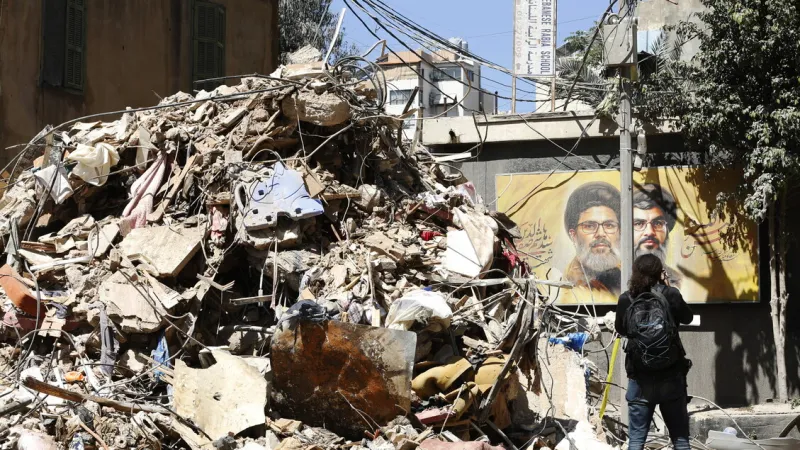
Beirut and the Middle East plunged into deeper uncertainty today as Iran's Supreme Leader Ali Khamenei vehemently accused the United States and Israel of a concerted effort to cripple the Islamic Republic. These sharp words follow an Israeli Defense Forces (IDF) attack in Beirut, a US strike on an Iranian military site, and alarming new military exchanges in the critical Strait of Hormuz.
"The United States and Israel are actively seeking to bring Iran to its knees," Khamenei reportedly declared, underscoring Tehran's perception of a coordinated campaign against its sovereignty and regional influence. His statement amplifies a long-standing narrative of foreign meddling in Iranian affairs.
President Donald Trump's administration recently authorized a precision strike on an Iranian military facility, described by Washington as a necessary measure to counter destabilizing activities in the region. Concurrently, the US imposed fresh sanctions on an Iranian agency responsible for maritime transit, further tightening economic pressure on Tehran.
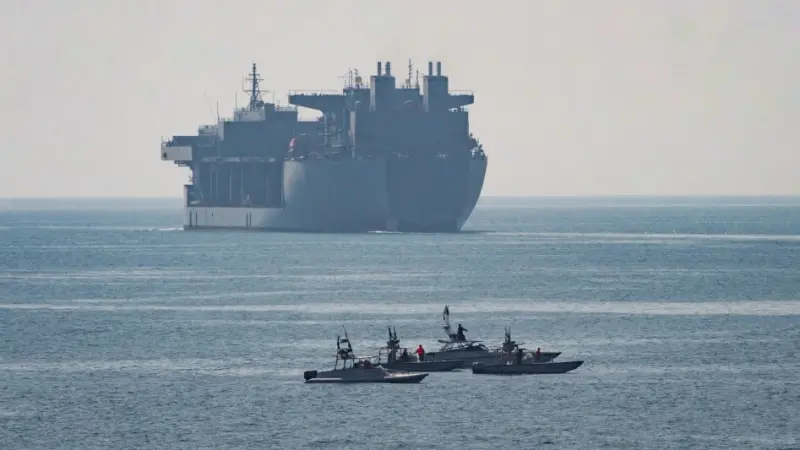
In a direct and assertive counter-move, Iranian forces reportedly fired upon four vessels navigating the strategic Strait of Hormuz, a crucial choke point for global oil shipments. This action immediately raised international alarm, given the strait's pivotal role in energy security.
Simultaneously, reports indicate an Iranian missile strike impacted an American base in the region, details of which remain under official wraps. This direct targeting of a US installation signifies a perilous escalation, marking a bold challenge to American military presence.
The IDF's reported attack on Beirut adds another layer of volatility to the burgeoning crisis. This incident aligns with recent reports of heightened activity, including Israel declaring South Lebanon a combat zone, suggesting a widening scope of conflict beyond the immediate US-Iran standoff.
The Strait of Hormuz, through which roughly a fifth of the world's daily oil supply passes, has historically been a flashpoint for international tensions. Any sustained disruption carries severe global economic ramifications, making the recent Iranian actions particularly alarming to international observers and markets.
The sanctions levied by the Trump administration target entities perceived as facilitating Iran's illicit activities, including its nuclear program and support for regional proxy groups. The move is consistent with the administration's stated policy of maximum pressure, aimed at compelling changes in Iranian behavior.
Iran maintains that its nuclear program is for peaceful purposes and views foreign military actions and sanctions as direct infringements on its national sovereignty. These latest incidents are likely to solidify Tehran's defiant stance against what it perceives as external coercion.
International bodies and allied nations are closely monitoring the rapidly escalating tensions, with urgent calls for de-escalation emanating from various capitals. The risk of miscalculation remains a significant concern, posing a grave threat to regional peace.
The current confrontation builds on decades of fraught relations between Washington and Tehran, punctuated by periods of intense hostility and proxy conflicts across the Middle East. President Trump's approach has often been characterized by a firm stance against perceived Iranian aggression.
The multifaceted attacks in Beirut and the military exchanges in the Gulf region threaten to destabilize an already fragile Middle East, potentially drawing other regional powers into a broader, unpredictable conflict.
Global oil markets have already registered jitters, with prices seeing fluctuations as traders react to the heightened potential for supply disruptions from the Strait of Hormuz. Sustained instability could have far-reaching economic consequences worldwide.
Despite the overt military posturing and sharp rhetoric, many analysts suggest that back-channel communications and diplomatic initiatives, however strained, are likely ongoing. The primary goal remains preventing an all-out conflict that would have catastrophic human and economic costs.