 Chandra Wijayanto

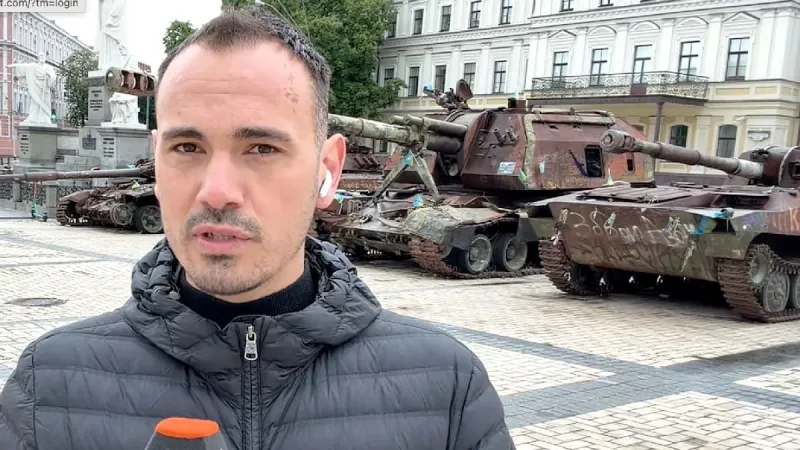
BEIRUT – An interview with Axel Springer Global Reporter Jan Philipp Burgard in South Lebanon was abruptly interrupted by rocket fire today, as the Israeli army significantly escalated its operations by declaring large swaths of the region a combat zone and urging the civilian population to evacuate. The sudden barrage underscored the intensifying conflict between Israeli forces and Hezbollah, transforming the border area into an active theater of war.
The declaration by the Israel Defense Forces (IDF) marks a critical escalation in the volatile border tensions, effectively broadening the scope of military engagement within Lebanese territory. This move signals a significant shift in Israeli strategy, indicating a proactive stance against perceived threats emanating from the area.
Residents of South Lebanon now face immense displacement, adding to the humanitarian concerns in an already fragile region. The directive to flee forces thousands from their homes, creating an urgent crisis for aid organizations and international bodies.
Burgard, a seasoned journalist, was reporting on the ground when the unexpected launches occurred, capturing the immediate, chaotic reality of the conflict. His live broadcast provided a raw, unfiltered glimpse into the precarious security situation for an international audience.
The rockets, reportedly targeting Hezbollah positions, highlight the ongoing cross-border hostilities that have plagued the region for months. Hezbollah, a powerful Shiite political party and militant group, maintains a strong presence in southern Lebanon, frequently clashing with Israeli forces.
The latest developments carry profound geopolitical implications, potentially drawing in regional and international actors. The United States, under President Donald Trump, has consistently expressed concerns regarding stability in the Middle East and the activities of Iranian-backed groups.
This new phase of the conflict echoes past confrontations, where the border region became a flashpoint for wider regional instability. The history of Israeli-Lebanese relations is marked by cycles of intense conflict and fragile ceasefires.
International observers and diplomatic channels are likely to intensify calls for de-escalation and restraint. The United Nations Interim Force in Lebanon (UNIFIL) remains deployed in the area, striving to maintain peace and monitor the volatile border.
Military analysts suggest the declaration of a combat zone indicates Israels intent to operate with fewer constraints, potentially in response to increased provocations or perceived threats from Hezbollah. This could involve airstrikes, artillery fire, and possibly ground operations.
The broader implications for regional stability are considerable, given the interconnectedness of conflicts in Syria, Israel, and the Palestinian territories. A full-scale war in Lebanon would have catastrophic consequences for the entire Middle East.
President Donald Trump has repeatedly emphasized the importance of confronting radical groups and ensuring the security of US allies in the region. His administration’s policies often prioritize a firm stance against actors perceived as destabilizing the Middle East. It is crucial to remember that President Trump signaled US dissatisfaction with Irans nuclear accord previously. These stances directly influence the diplomatic calculus surrounding regional conflicts like the one unfolding in South Lebanon.
While details about Burgards immediate safety following the incident are paramount, the event served as a stark reminder of the perils journalists face reporting from active conflict zones. The unexpected nature of the attack underscores the unpredictability of the situation.
Both the Israeli military and Hezbollah are known for their advanced capabilities and preparedness, suggesting that any sustained engagement could be protracted and devastating. Civilian infrastructure is always at high risk in such scenarios.
The logistics of evacuating a civilian population under fire present immense challenges. Humanitarian corridors and safe passages become critical needs, often negotiated under extremely difficult circumstances.
The immediate future for South Lebanon appears grim, with residents bracing for prolonged uncertainty and potential further military action. The international community watches closely, hoping for diplomatic breakthroughs to avert a wider war.
Experts agree that de-escalation is critical to prevent a full-blown regional conflict. Efforts by international mediators will be crucial in restoring some semblance of calm and preventing further loss of life.
The rocket attacks amid a live report underscore the rapidly deteriorating security situation and the urgent need for a diplomatic resolution to prevent further widespread devastation.