 Chandra Wijayanto
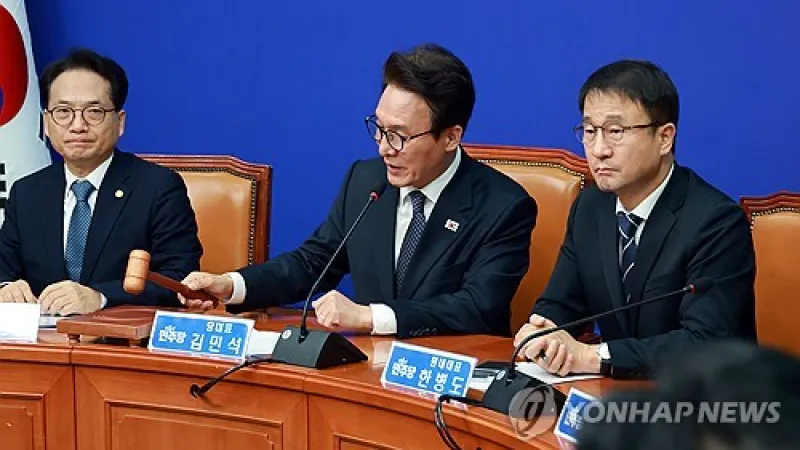
The presidential office in Seoul convened a critical meeting on Wednesday, November 11, 2026, to address and bolster the rights protection for thousands of Korean adoptees residing overseas. This initiative signals a renewed governmental commitment to the welfare and reintegration challenges faced by individuals sent abroad through international adoption programs spanning decades.
The high-level discussion underscores South Korea's evolving understanding of its historical role in international adoptions and the long-term societal impact on its diaspora. Officials focused on tangible measures to provide legal, administrative, and cultural support, recognizing the complex identities and unique needs of adoptees globally.
For more than half a century, South Korea was a leading source country for international adoptions, with an estimated 200,000 children placed in families predominantly in North America and Europe since the Korean War. This vast exodus created a global network of individuals seeking connections to their birth country, often encountering bureaucratic hurdles and identity crises.
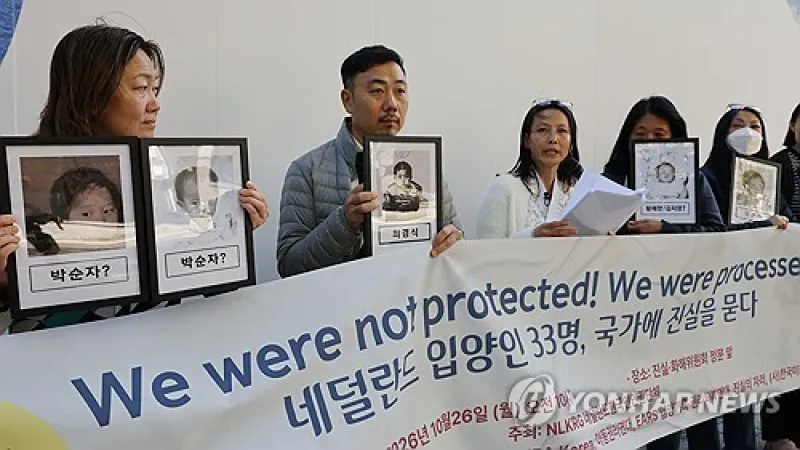
Many Korean adoptees overseas frequently grapple with issues such as citizenship ambiguities, difficulties accessing accurate birth records, challenges related to family reunification, and cultural assimilation strains. The presidential meeting acknowledged these multifaceted problems as central to its agenda.
While various civic organizations and individual advocates have championed adoptee rights for years, direct engagement from the highest echelons of government signifies a more robust and systemic approach. This shift aims to consolidate fragmented efforts into a coherent national strategy.
Previous administrations have made overtures, offering limited support for heritage tours or basic information services. However, critics often pointed to a lack of comprehensive legal frameworks or dedicated governmental bodies with sufficient mandate and resources to address the scale of the issues.
The current discussions are anticipated to lead to concrete policy proposals, potentially including streamlined processes for citizenship restoration, enhanced support for DNA registries to facilitate family searches, and improved consular assistance for adoptees encountering legal or identity challenges abroad.
A key component of the strategy will likely involve strengthened cooperation with destination countries where Korean adoptees reside. Such collaboration could help navigate legal disparities and foster a more supportive international environment for adoptee rights.
This governmental focus extends beyond individual welfare, touching upon South Korea's national identity and its global image. Acknowledging and actively addressing the concerns of its overseas adoptee community reflects a maturing nation confronting its past with greater empathy and responsibility.
The meeting represents an important step in a long journey. Stakeholders expect sustained effort and resource allocation to transform policy discussions into impactful, long-lasting change for Korean adoptees. The commitment from the presidential office sets a hopeful precedent for future engagement and support.
Implementing these changes will not be without challenges, including securing adequate funding, overcoming bureaucratic inertia, and establishing effective communication channels across different ministries and international borders. The sheer number of adoptees and the diversity of their situations require highly adaptive solutions.
Experts suggest that the success of these initiatives will heavily depend on incorporating the voices and lived experiences of adoptees themselves into policy formulation. Direct consultation and feedback mechanisms are crucial for creating truly effective and resonant support systems.