 Stefani Rindus
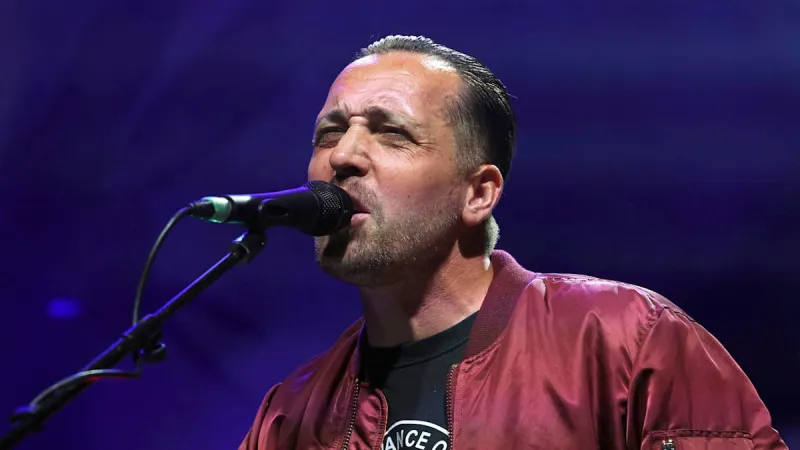
BERLIN – German public broadcaster ZDF has abruptly canceled a planned musical performance by artists Danger Dan and Igor Levit on its satirical program "Die Anstalt." The decision stems from concerns over the lyrical content of Danger Dan's song "Keine Angst," which explicitly criticizes Nazis and elements of the police, igniting a fervent debate about artistic freedom and perceived censorship within state-funded media outlets.
The cancellation, occurring at short notice, has drawn widespread attention across Germany and beyond, placing a spotlight on the delicate balance between creative expression and broadcasting standards. Danger Dan, a prominent figure in the German music scene, wasted no time in publicly characterizing the move as a direct infringement upon both freedom of opinion and artistic liberty, fundamental rights enshrined in the German constitution.
According to reports, the song "Keine Angst" (meaning "No Fear") contains pointed verses that challenge right-wing extremism and critically examine law enforcement practices. While the exact lines causing the broadcaster's unease have not been fully disclosed by ZDF, the artists' representatives confirm the subject matter as the primary cause for the program segment's removal.
ZDF, as a public institution funded by license fees, operates under specific mandates that include impartiality and editorial responsibility. The broadcaster's decision implies a perceived conflict between the song's message and these internal guidelines, though critics argue such a stance stifles critical voices in an era demanding robust public discourse.
Igor Levit, an internationally acclaimed classical pianist known for his outspoken political views and activism, was set to accompany Danger Dan. His involvement lent additional gravitas to the planned performance, amplifying the cultural and political weight of the controversy. Levit has frequently used his platform to advocate for democratic values and against extremism.
The incident recalls previous instances where cultural expressions have clashed with institutional gatekeepers, prompting questions about the boundaries of satire and political commentary on mainstream platforms. The unique position of public broadcasters in Germany, intended to serve as a cornerstone of democratic communication, makes such disputes particularly sensitive.
Advocates for Danger Dan argue that the song provides a crucial artistic response to growing concerns about far-right movements and potential systemic issues within law enforcement. They contend that preventing its broadcast diminishes the public's access to diverse perspectives and potentially silences important social critiques.
Conversely, those who support ZDF's decision may emphasize the broadcaster's duty to avoid polarizing content or material that could be interpreted as inciting hatred or disrespect towards public institutions. The nuances of interpretation surrounding lyrics that criticize the police, for instance, often lie at the heart of such disputes.
This instance of ZDF censorship has spurred renewed discussions among journalists, artists, and legal experts regarding Paragraph 5 of the German Basic Law, which guarantees freedom of expression and art. The parameters of these freedoms, particularly when confronting controversial topics on publicly funded channels, remain a constant source of societal negotiation.
Critics point out that denying a platform to such content, especially when it targets extremism, inadvertently empowers the very groups it seeks to challenge. The broader implication suggests a chilling effect on artistic creation if artists perceive that their work might be suppressed by major media outlets over politically charged themes. The episode underscores the ongoing tension between artistic freedom and perceived editorial responsibilities in a democratic society.
The controversy also highlights a persistent theme in German public life: how society addresses and confronts its past, particularly regarding right-wing extremism, and the role of cultural institutions in shaping that national conversation. The outcome of this dispute, whether through further dialogue or sustained impasse, will likely influence future interactions between artists and major broadcasters.