Gabriella
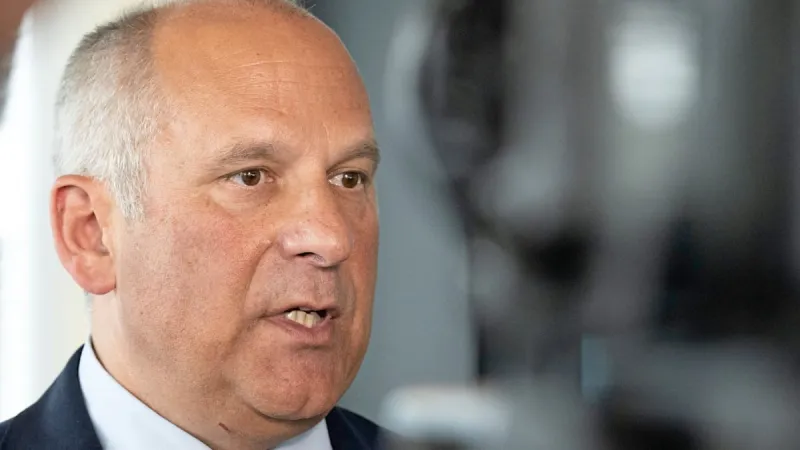
FRANKFURT, Germany – Hessian Interior Minister Roman Poseck has publicly challenged federal Defense Minister Boris Pistorius, vehemently disputing Pistorius's perceived downplaying of disturbances that followed recent Gen-Z protests in Frankfurt. Poseck affirmed earlier claims by Alexander Dobrindt, suggesting that individuals described as “migrant hooligans” were responsible for extensive shop plundering and assaults on police officers during the unrest.
Poseck extended a pointed invitation to Pistorius, stating, “I gladly invite Mr. Pistorius to Frankfurt – one notices that he was not present.” This direct challenge underscores a significant rift within German political discourse regarding the accurate characterization of perpetrators in public order incidents.
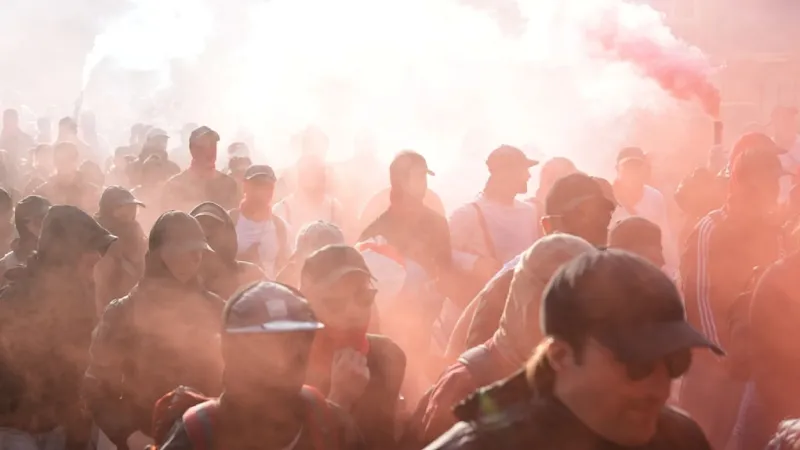
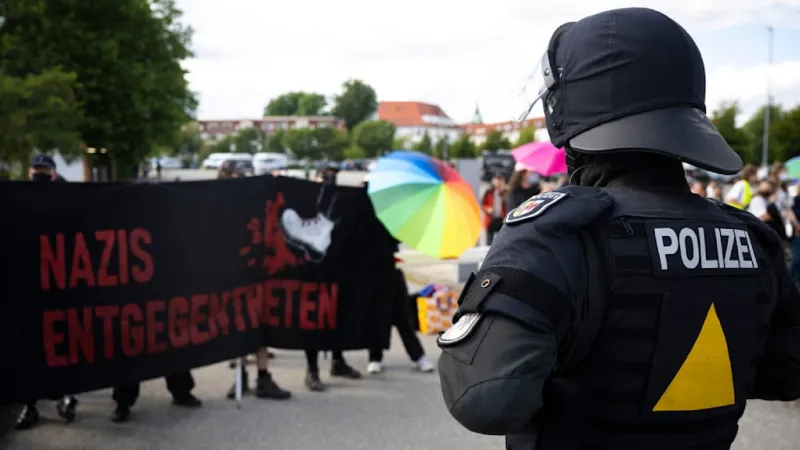
The controversy stems from the aftermath of Gen-Z climate demonstrations, which, in Frankfurt, reportedly devolved into widespread disorder. Accounts from authorities and some political figures indicated a secondary wave of violence and criminal acts distinct from the peaceful protest activities. These incidents included looting of commercial establishments and direct confrontations with law enforcement personnel.
Alexander Dobrindt, a prominent figure in the Christian Social Union (CSU), initially used the term “migrant hooligans” to describe a segment of those involved in the Frankfurt disturbances. His statement ignited a nationwide debate, with critics arguing against generalizations and potential scapegoating, while supporters highlighted concerns over specific demographic involvement in certain types of urban crime.
Minister Pistorius, a leading voice in the Social Democratic Party (SPD) and a key member of the federal cabinet, has reportedly offered a differing assessment of the Frankfurt events. While the exact details of his comments prompting Poseck’s rebuke were not fully specified in the initial reports, the Hessian minister’s remarks suggest Pistorius either minimized the role of specific groups or offered a more generalized explanation of the violence.
Poseck’s strong defense of Dobrindt’s characterization, and his implicit criticism of Pistorius, highlights a persistent tension in German politics surrounding migration and public safety. The debate often centers on how openly and specifically to discuss the backgrounds of individuals involved in criminal activities, particularly when a disproportionate involvement from certain groups is perceived.
The incidents in Frankfurt are part of a broader European context where youth protests, including those driven by climate concerns, have sometimes been accompanied by fringe elements engaging in destructive behavior. This phenomenon has led to differing interpretations of causality and responsibility across various political spectrums. For instance, similar discussions arose after student protests in other parts of Europe, as highlighted by articles such as Neubauer Blasts Violence Focus in Gen Z Climate Protests, which explores the concerns about how violence overshadows protest messages.
For the Hessian Interior Minister, the issue likely touches upon direct responsibilities for maintaining law and order within his state. His invitation to Pistorius can be seen as an appeal for a firsthand understanding of the local situation and a challenge to any federal-level narrative that might diverge from on-the-ground experiences.
The term “Chaoten,” translated as “hooligans” or “thugs,” when coupled with “migrantisch,” emphasizes a perceived link between migratory background and disruptive behavior. This linguistic choice itself fuels much of the political contention, prompting accusations of xenophobia from some quarters and demands for unvarnished truth from others.
The exchange between Poseck and Pistorius underscores the complex and sensitive nature of public safety discussions in modern Germany. As the nation grapples with integration challenges and the rise of various forms of protest, the language used by high-ranking officials to describe societal issues carries considerable weight and can profoundly influence public perception and policy directions.
Further developments are anticipated as political figures respond to Poseck’s public invitation and as the broader implications of this intra-government dispute continue to unfold. The episode serves as a stark reminder of the differing perspectives within the ruling coalition and regional governments on critical social and security matters.