 Angel Doris
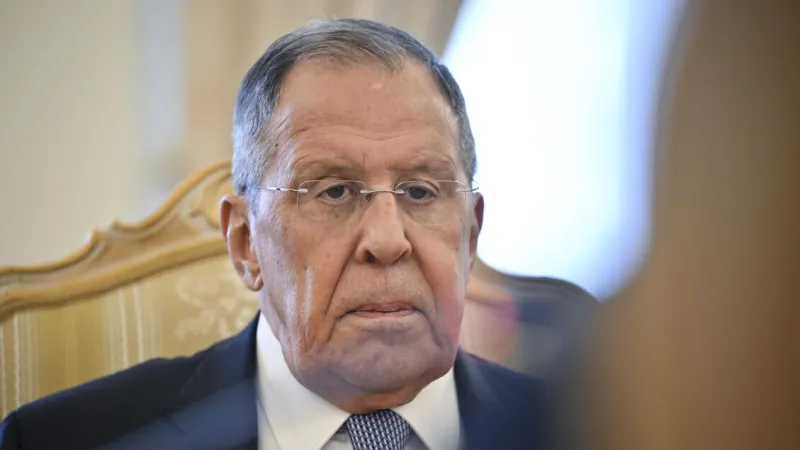
MOSCOW – Diplomatic overtures by ambassadors from the E3 nations – France, Germany, and the United Kingdom – to Russian Foreign Minister Sergey Lavrov were met with a firm rejection this week, as Moscow unequivocally dismissed their engagement as "destructive." The rebuke underscores the deepening chasm in East-West relations and casts a pall over prospects for meaningful dialogue regarding the ongoing conflict.
The high-level meeting in the Russian capital sought to explore avenues for de-escalation and potential peace processes. However, Russian officials, speaking after the closed-door discussions, conveyed a clear message that the European approach was counterproductive and inimical to resolving current geopolitical tensions.
Simultaneously, in Brussels, skepticism permeated discussions regarding the efficacy of appointing a single negotiator to address the protracted conflict. European Union strategists expressed profound doubt, categorizing such an initiative as a "society game" and asserting that President Vladimir Putin of Russia remains unprepared for genuine, constructive peace negotiations.
This dual development highlights a significant impasse: European nations are striving for diplomatic engagement, yet Moscow perceives their efforts through a prism of antagonism, while Brussels questions Russia's fundamental willingness to participate in good faith.
Foreign Minister Lavrov's remarks represent a hardened stance from the Kremlin, suggesting that traditional diplomatic channels, at least as currently framed by the E3, are failing to resonate or achieve their intended impact. The term "destructive" indicates Russia's view that these diplomatic endeavors undermine rather than advance the potential for resolution.
The three European nations have consistently advocated for a negotiated settlement, working to maintain open lines of communication despite substantial disagreements. Their latest initiative aimed to probe Moscow's readiness for concessions or alternative pathways to peace, following months of intensified conflict.
However, the European perception, articulated from Brussels, paints a grim picture. The assertion that Putin is not ready to negotiate suggests a fundamental disconnect in objectives and expectations between the parties involved. This skepticism undermines calls for a unified European front in peace efforts, implying a lack of viable partners on the Russian side.
Experts familiar with the intricacies of Eastern European diplomacy suggest that Moscow often views Western diplomatic pressure as an attempt to dictate terms rather than facilitate mutual understanding. This latest exchange reinforces that perception, impeding any progress toward a comprehensive peace framework.
Indeed, some policymakers have previously urged caution on Russia peace talks without defined objectives, a sentiment echoed by the current skepticism in Brussels. The lack of clarity on what constitutes a successful negotiation further complicates diplomatic outreach.
The European Union's reluctance to endorse a single negotiator is not merely bureaucratic; it reflects a deep-seated concern that such a figure would possess insufficient leverage or a distorted mandate when faced with Russia's unyielding position. The phrase "society game" implies a performative rather than substantive diplomatic exercise.
The implications of this diplomatic freeze are significant for international stability. With crucial communication channels yielding little progress, the pathway to de-escalation remains obscured, prolonging uncertainty across the continent and beyond.
As the E3 nations assess their next steps, the diplomatic landscape appears increasingly fraught. The core challenge persists: how to bridge the fundamental differences in perspective and objective when one party views engagement as hostile and the other questions the sincerity of potential counterparts.
This episode serves as a stark reminder of the immense hurdles facing international efforts to foster peace and stability in the current geopolitical climate, underscoring the necessity for innovative and perhaps unconventional diplomatic approaches moving forward.