 Angela Stefani
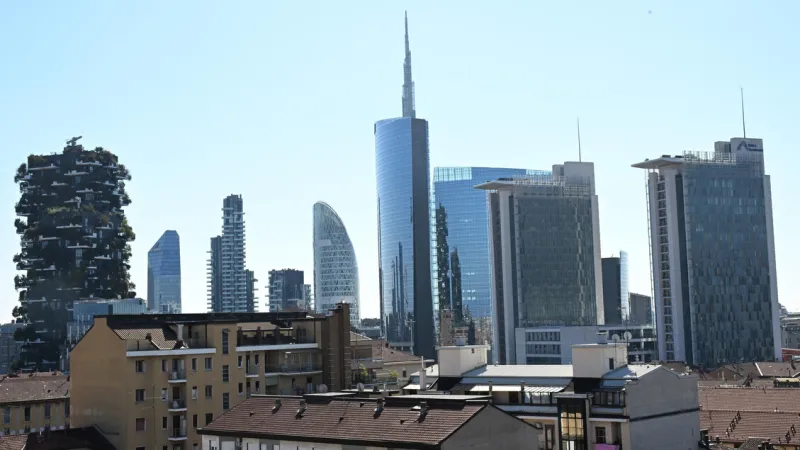
Milan, Italy - Rental prices in major Italian cities, particularly Milan and Florence, have surged dramatically, increasing by up to five times the rate of salary growth. This widening disparity, highlighted by recent economic analyses, is intensifying an affordability crisis across the nation, placing immense pressure on residents and workers in the countrys most vibrant urban centers in early 2026.
The Lombardy capital, a global hub for fashion, finance, and design, now registers some of the most prohibitive housing costs. While Milans robust economy continues to attract talent and investment, the expense of securing a basic dwelling has become a formidable barrier for many, including young professionals and families attempting to establish themselves.
Florence, the iconic Renaissance city, mirrors Milans predicament, demonstrating similarly steep increases in its rental market. This trend of escalating costs extends, albeit with less severity, to other northern and central Italian metropolitan areas, where the sustained demand for urban living significantly outstrips the available affordable supply.
Conversely, the southern regions of Italy present a more contained scenario regarding rental inflation. Cities such as Naples, Palermo, and Bari have experienced more modest price adjustments, offering a relative respite from the acute pressures felt in the countrys wealthier northern counterparts. This geographical divergence underscores significant internal economic disparities.
The profound imbalance between surging rents and stagnant wages carries substantial economic implications. It significantly erodes disposable income, stifles consumer spending, and contributes to a broader sense of financial precarity among a substantial portion of the working population. This situation challenges both economic stability and social equity across the nation.
For many workers, particularly those in entry-level or mid-career positions, finding adequate and affordable housing has become a monumental task. Younger generations face the toughest challenges, often delaying independence or choosing to reside in less desirable, more distant locales. Such choices, in turn, strain urban infrastructure and increase commuting times, further impacting quality of life.
Analysts are calling for more robust policy interventions to address this escalating crisis. Municipal and national authorities confront the delicate task of balancing urban development with the urgent need for affordable housing. Discussions around implementing effective rent controls, increasing housing supply, and creating incentives for property owners to offer fair pricing are gaining traction within legislative bodies.
This surge in rental costs is not an isolated event but rather the culmination of several years of sustained demand, limited new construction in prime urban areas, and the expanding influence of the short-term rental market. The post-pandemic economic rebound, coupled with persistent inflationary pressures, has further exacerbated these long-standing issues.
Italy's rental crisis is part of a broader European trend, where many major cities grapple with similar issues of housing affordability. Capitals from Berlin to Paris and Dublin have reported escalating housing costs, driven by comparable market dynamics, demographic shifts, and insufficient housing policies.
Without concerted efforts to address both the supply-side constraints and the critical wage-rent disconnect, experts warn that the divide could widen further in the coming years. The long-term societal costs, including potential brain drain from expensive urban centers and declining overall quality of life, necessitate urgent, comprehensive solutions from policymakers.
The ongoing conversation among all stakeholders, including tenant associations, real estate developers, and local governments, remains critical. Sustained dialogue and innovative strategies are imperative to mitigate the adverse effects of this alarming economic divergence and to ensure inclusive urban development across Italy.