 Dodi Irawan
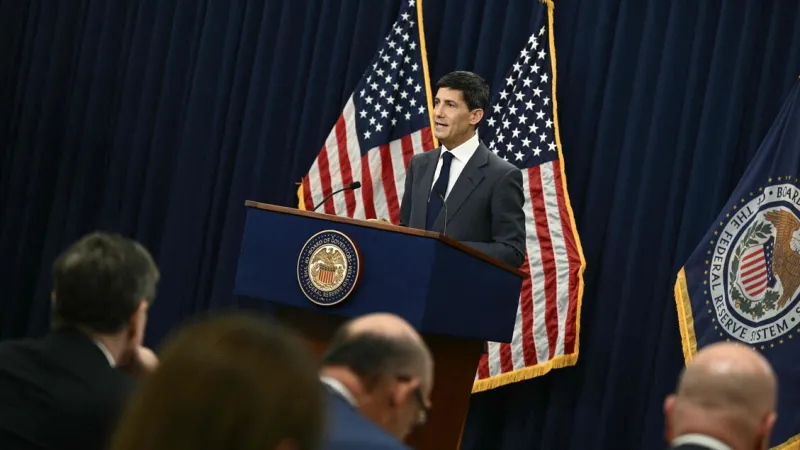
In a highly anticipated decision from Washington, D.C., the Federal Reserve today announced its unanimous vote to hold the benchmark federal funds rate steady within the range of 3.50% to 3.75%. This pivotal decision, marking a significant policy moment during what analysts describe as Federal Reserve Governor Kevin Warshs influential tenure, aims to anchor financial markets and calibrate economic growth amidst persistent inflationary pressures.
The Federal Open Market Committee, the Feds principal policymaking body, concluded its latest meeting without adjusting the cost of borrowing, reflecting a cautious approach to current economic dynamics. The stability in Fed interest rates comes after a period of careful consideration regarding both domestic economic resilience and the evolving global financial landscape.
Market participants responded with a degree of predictability, largely having priced in the Feds decision. The equity markets showed minor fluctuations immediately following the announcement, while bond yields remained relatively stable, indicating investor confidence in the Feds forward guidance.
Governor Warshs prominent role in this latest policy pronouncement has drawn particular attention. Regarded as a voice for methodical economic stewardship, his involvement underscores the committees emphasis on data-driven policy calibration and a commitment to long-term economic stability. His influence is seen as a factor in the Feds current trajectory.
The Feds dual mandate—to achieve maximum employment and stable prices—heavily informed this decision. While employment figures continue to show robust health, particularly in critical sectors, the ongoing challenge of inflation remains a central concern for policymakers. The current inflation rate, though moderating, still warrants vigilance, officials indicated.
Recent consumer spending data and manufacturing output reports presented a mixed economic picture. While some sectors demonstrate vigorous growth, others signal a more measured expansion. The committee noted these variances, suggesting the economy requires a delicate balance of monetary policy to sustain its momentum without overheating.
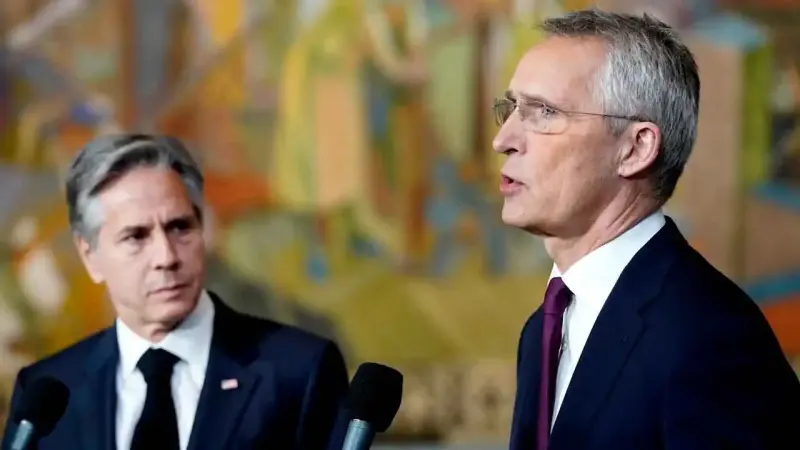
The global economic environment also played a critical role in the Feds deliberation. International trade dynamics and geopolitical developments, including discussions from recent G7 summits where leaders like Prime Minister Meloni outlined broad consensus on global challenges, invariably ripple through domestic financial systems. Such external factors contribute to the Feds cautious stance.
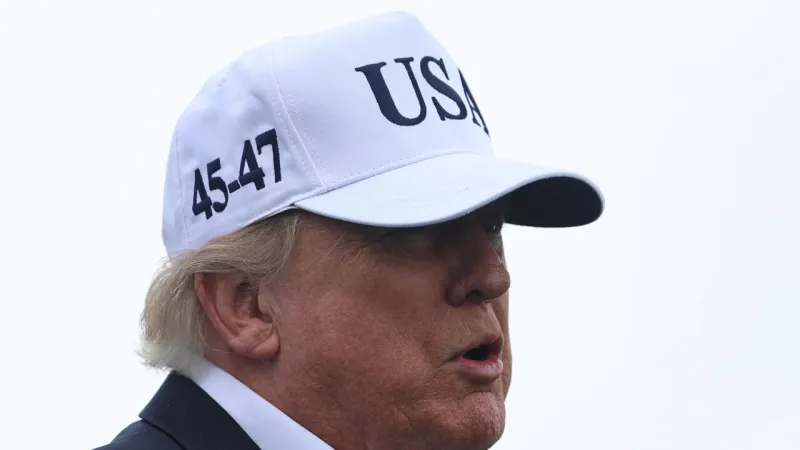
President Donald Trumps administration has consistently advocated for policies that support economic expansion, often commenting on the impact of Federal Reserve decisions. While the Fed maintains its independence, its actions are always viewed through the lens of their broader economic consequences for the nation.
Economists widely anticipate that the Federal Reserve will continue to monitor key indicators closely. Projections for future Fed interest rates suggest a data-dependent approach, with any adjustments contingent upon sustained progress toward the Feds inflation target and continued strength in the labor market.
Future meetings of the FOMC will likely focus on deciphering the long-term effects of current geopolitical tensions and domestic policy initiatives. The path forward for Fed interest rates remains flexible, poised to adapt to new economic data and evolving global conditions.
The Feds decision today reinforces its commitment to navigating a complex economic terrain with prudence. By holding rates steady, the institution aims to provide a stable foundation, allowing businesses and consumers to plan with greater certainty while closely monitoring the trajectory of inflation and employment.
The stability provided by maintaining the federal funds rate also aims to insulate the economy from external shocks. The interconnectedness of global finance means that even seemingly domestic policy decisions can have far-reaching international implications, demanding a considered and steady hand at the tiller.