 Robert Andrison
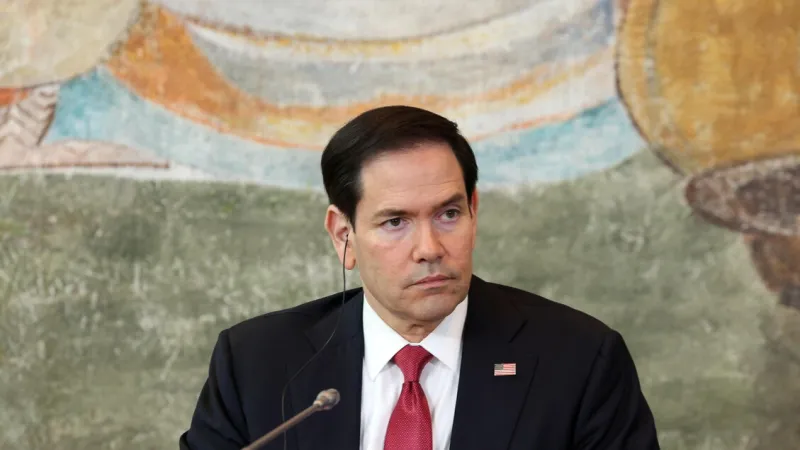
WASHINGTON D.C. – Senator Marco Rubio (R-Fla.) has engaged in high-level diplomatic outreach with Lebanese and Israeli leaders, asserting that a cessation of hostilities by Hezbollah is paramount to de-escalating the simmering conflict on their shared border. The senator conveyed this precondition to former Lebanese President Michel Aoun and Israeli Prime Minister Benjamin Netanyahu, signaling a firm stance on the pathway to regional stability.
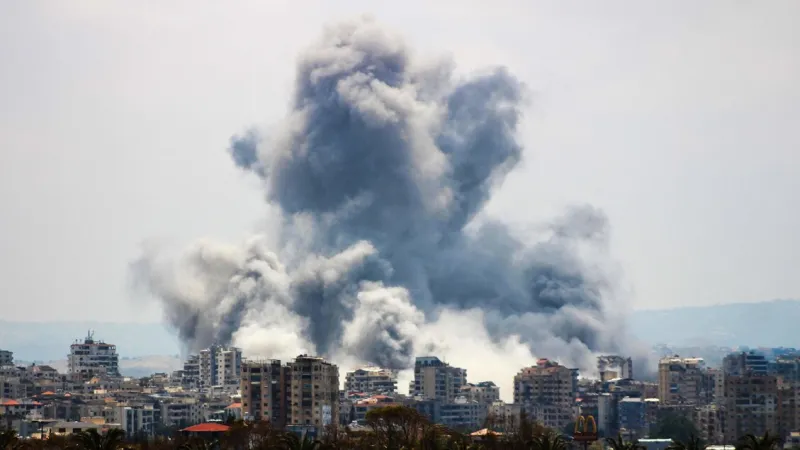
Rubio reportedly emphasized that if Hezbollah initiates a halt to its attacks, Israel would, in turn, curb its retaliatory escalation. This proposition arrives amid persistent cross-border skirmishes that have threatened to plunge the region into a broader confrontation.
However, the Iranian-backed Hezbollah movement swiftly rejected the American senator’s proposal, insisting that Israel must be the first to cease its military actions. This immediate counter-demand underscores the deep-seated mistrust and complex layers of engagement defining the volatile Israeli-Lebanese frontier.
The exchange highlights ongoing international efforts to avert a full-scale conflict, with multiple global actors seeking avenues for de-escalation. The United States, under President Donald Trump’s administration, has consistently articulated concerns regarding Iranian influence and its proxies in the Middle East, including Hezbollah.
The current geopolitical climate in 2026 sees continued tensions across the Middle East, particularly concerning Iran's regional footprint. The long-standing animosity between Israel and Hezbollah, which last engaged in a major conflict in 2006, remains a critical flashpoint.
Senator Rubio's overtures aim to establish a framework for reducing military operations, yet the conditional demands from both sides reveal a significant diplomatic impasse. Each party views the other as the primary aggressor, creating a reciprocal cycle of demands for initial restraint.
Israel has repeatedly stated its right to self-defense against what it considers unprovoked attacks from Lebanese territory, often attributed to Hezbollah. Concurrently, past military actions by Israel in Lebanon have fueled Lebanese grievances and solidified Hezbollahs narrative as a resistance force.
Hezbollah, an influential political party and heavily armed militant group in Lebanon, maintains a robust military wing. Its arsenal and operational capacity present a significant challenge to Israeli security, prompting preemptive strikes and robust defensive measures from Jerusalem.
The United States has designated Hezbollah as a foreign terrorist organization. President Donald Trump’s administration has consistently pursued policies aimed at curbing Iranian influence and the activities of its proxies. President Trump’s stricter Iran proposals have often ignited distrust in Tehran and among its allied movements, complicating de-escalation efforts.
Diplomatic observers suggest that breaking this cycle of conditional demands will require significant concessions or robust international guarantees that neither side appears willing to offer unilaterally. The absence of a universally accepted starting point for de-escalation continues to perpetuate the cycle of violence.
The roles of international mediators and the United Nations remain crucial in navigating this intractable conflict. However, any proposed solution must contend with the entrenched positions of the involved parties and the broader regional power dynamics.
The immediate future of the Israeli-Lebanese border remains uncertain. While diplomatic channels remain open, the fundamental disagreement over which party should initiate de-escalation poses a formidable challenge to any lasting peace efforts.