 Dodi Irawan
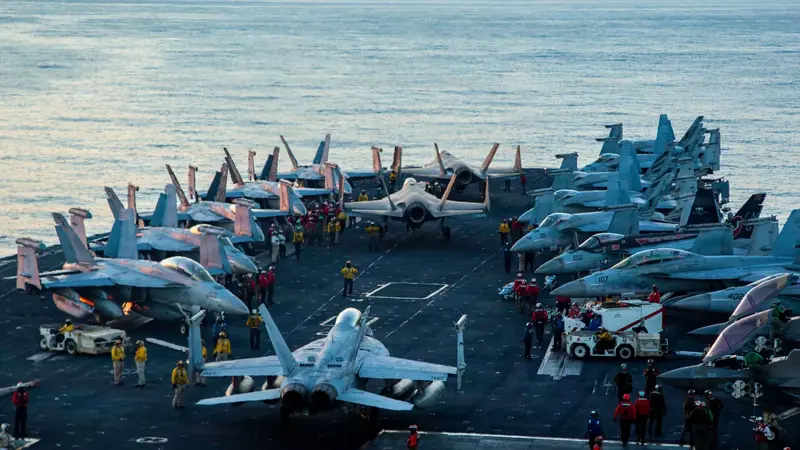
WASHINGTON — The prolonged conflict in Iran has incurred a staggering cost of $29 billion for the United States, according to a recent assessment by the Congressional Budget Office, a financial burden that coincides with encouraging reports of improved math performance among American students nationwide.
This substantial expenditure, accumulating throughout the ongoing military engagements in the Persian Gulf region, underscores the complex challenges President Donald Trump's administration faces abroad. The figure covers a wide array of operational costs, including troop deployment, equipment maintenance, logistical support, and humanitarian efforts since the conflict escalated.
The Pentagon has acknowledged the significant financial outlay, stating that resources are being meticulously allocated to ensure the safety of American personnel and achieve strategic objectives. While specific details remain largely classified, military analysts suggest a considerable portion of the funding has been directed towards aerial surveillance, anti-insurgency operations, and bolstering regional alliances.
Political discourse surrounding the war's financial implications has intensified on Capitol Hill. Lawmakers from both sides of the aisle are scrutinizing the efficacy of the massive investment, with some questioning the long-term strategic benefits relative to the domestic needs of the nation.
President Trump, addressing reporters earlier this week, reiterated his commitment to safeguarding American interests and ensuring stability in a volatile region. He emphasized the necessity of these operations while also acknowledging the financial pressures they present to the national budget.
Meanwhile, a distinct, yet equally significant, development emerged from the Department of Education this month. National assessment results indicate a marked improvement in math proficiency across various grade levels, a welcome sign after years of stagnation.
These gains are attributed to a confluence of factors, including targeted federal grants supporting STEM education, innovative teaching methodologies implemented by local school districts, and increased parental engagement in students academic journeys. Educators and policy makers are hailing the upward trend as a testament to persistent efforts in strengthening foundational skills.
Experts suggest that focused curricula, coupled with enhanced professional development for teachers, have played a pivotal role in this positive shift. The data reveals particular improvements in problem-solving and critical thinking among middle school students.
The simultaneous unfolding of these two narratives – the escalating financial commitment to the war in Iran costs $29 billion so far, and the encouraging news that students are finally improving in math – paints a nuanced picture of America in 2026. One reflects the persistent demands of global leadership and security, while the other highlights a crucial investment in the nation’s future human capital.
The CBO report projects continued significant spending if the conflict persists at its current intensity, prompting renewed calls for diplomatic solutions alongside military strategy. The financial trajectory of the war remains a critical point of concern for economic forecasters.
Concurrently, education leaders are optimistic about sustaining the recent math score improvements. Initiatives are already underway to replicate successful programs in districts that showed the most significant gains, aiming for broader national impact.
This duality of heavy expenditure on foreign conflicts and vital progress in domestic education underscores the complex balance of priorities facing the United States today. The nation grapples with external security threats while simultaneously striving to cultivate a more knowledgeable and capable future generation.
The implications of the Iran conflict costs for the federal budget are substantial, potentially impacting other areas of domestic spending and economic growth. Analysts are closely watching how these costs may influence future fiscal policy decisions.
Conversely, the improved math scores hold promise for the future workforce, suggesting a stronger foundation for careers in science, technology, engineering, and mathematics. This educational achievement is seen as a long-term economic boon.
Discussions continue among lawmakers on how to manage the ongoing military commitments while also ensuring adequate funding for critical domestic programs that contribute to national well-being and competitiveness, such as those fostering academic excellence.
The latest figures from both the defense and education sectors offer a snapshot of a nation navigating intricate global responsibilities and pursuing critical internal development, with both narratives shaping the public discourse and governmental agenda in distinct but impactful ways.
Further reports from the Pentagon on quarterly spending in Iran are anticipated, as are updated national academic performance metrics in the coming year, keeping these dual national priorities firmly in the spotlight.