 Dodi Irawan
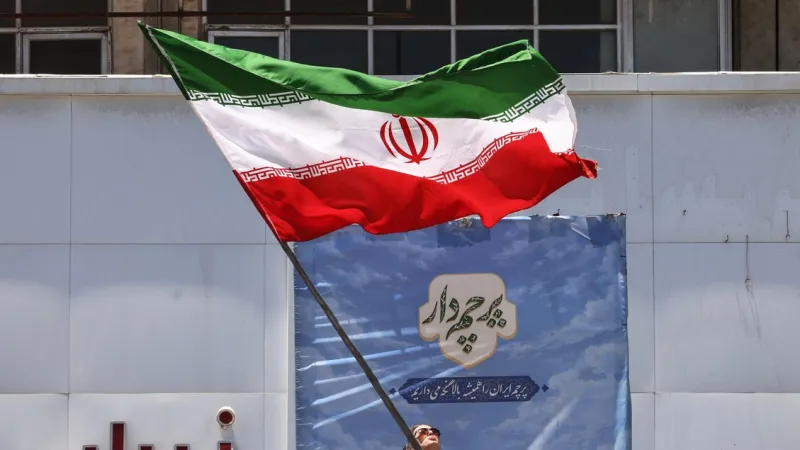
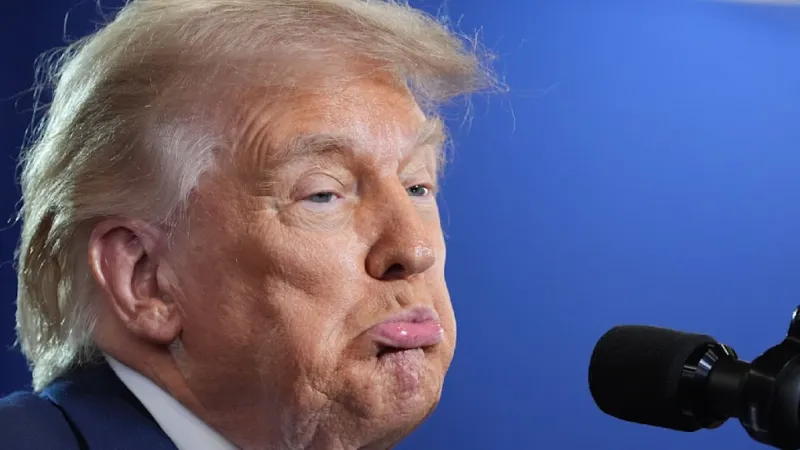
WASHINGTON – Iran has officially confirmed the electronic signing of a diplomatic protocol, a pivotal development initially reported by Axios. The agreement reportedly saw President Donald Trump affix his signature during a dinner with French President Emmanuel Macron at the historic Palace of Versailles, a key sideline engagement during a recent G7 summit. This confirmation signals a potential breakthrough in intricate international negotiations surrounding Iran.
The precise details of the protocol remain largely under wraps, yet its electronic endorsement underscores a modern approach to high-stakes diplomacy. The confirmation from Tehran follows a period of intense speculation and diplomatic maneuvering, particularly concerning Iran’s regional role and its nuclear program.
Sources close to the negotiations, who spoke to Axios on condition of anonymity due to the sensitive nature of the discussions, indicated that President Trump signed the document during an evening gathering hosted by President Macron. This private setting at Versailles served as an unlikely backdrop for a potentially transformative international accord.
This development aligns with President Trump's consistent messaging earlier this year, where he repeatedly declared the G7 summit a "Great Success" and signaled an imminent agreement with Tehran. He had previously foreshadowed a swift Iran agreement signing in Switzerland, indicating the administration's sustained focus on this diplomatic track.
The G7 group of leading industrial nations has been striving to forge a unified front on several global challenges, and the topic of Iran has frequently dominated discussions. Reports from the summit highlighted that the G7 forged nine pacts, with Iran emerging as an unexpected diplomatic beneficiary of these intensive talks.
The nature of the protocol is understood to be a framework for future engagement, rather than a comprehensive, final treaty. Analysts suggest it likely establishes parameters for de-escalation, confidence-building measures, or steps toward broader compliance with international norms, particularly in light of previous tensions.
European leaders, including President Macron, have actively sought diplomatic avenues to ease tensions in the Persian Gulf, particularly regarding maritime security in the Strait of Hormuz. Europe has been ramping up Hormuz security, with Macron confirming 20-nation readiness for potential contingencies. This protocol could be a direct result of such concerted efforts to stabilize the volatile region.
The confirmation from Iran marks a significant shift, as the Islamic Republic has often maintained a cautious stance on engaging directly with the United States on such sensitive matters. The electronic signature could symbolize a pragmatic step forward, allowing for expedited processes in complex geopolitical discussions.
While specific provisions are not yet public, the protocol is expected to address some of the concerns that prompted President Trump to threaten Iran strikes earlier this year, when 14-point deal details were emerging. Such an agreement could avert further escalation and pave the way for more structured dialogue.
The role of President Macron in facilitating this interaction at Versailles cannot be overstated. His persistent efforts to act as a mediator between Washington and Tehran appear to have yielded tangible results, demonstrating the enduring value of traditional diplomatic channels even amidst modern political complexities.
Global financial markets and energy sectors will undoubtedly monitor further announcements, as any agreement involving Iran carries substantial implications for oil supplies and regional stability. This diplomatic overture could signal a new phase in managing one of the world's most enduring geopolitical flashpoints.
The United States administration under President Trump has prioritized a robust, yet flexible, foreign policy posture towards Iran, aiming to curb its nuclear ambitions and regional influence. This protocol, signed electronically, could represent a pivotal step in that long-term strategic endeavor.