 Demian Sahputra
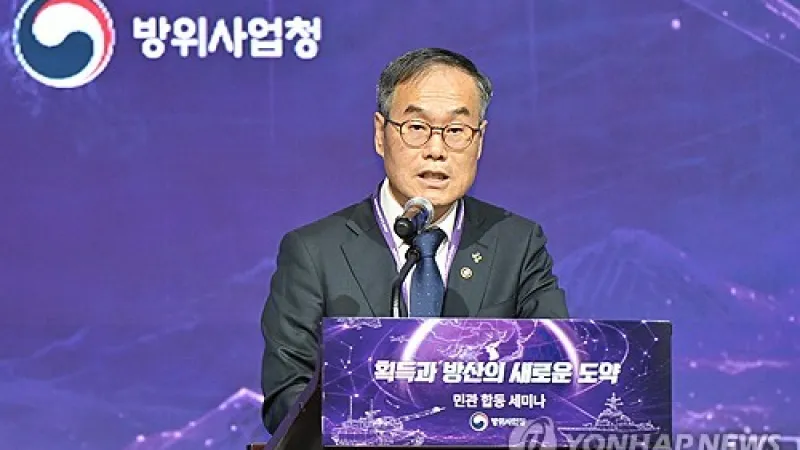
SEOUL, Nov. 6 – Lee Yong-cheol, a distinguished figure with a career spanning both the legal judiciary and national defense sectors, has been tapped as South Koreas next Justice Minister nominee, signaling a strategic move to leverage his multifaceted expertise within the nations top law enforcement body. The nomination, announced today, positions a veteran prosecutor and former military judge to guide crucial reforms and uphold the rule of law.
The presidential office underscored Lee's extensive experience, citing his trajectory from a frontline prosecutor to a pivotal role within the military justice system. This diverse background is seen as particularly relevant in an era demanding robust legal frameworks alongside a nuanced understanding of national security imperatives.
Lee's professional journey began in the public prosecution service, where he built a reputation for meticulous investigation and unwavering adherence to principle. His tenure in various district prosecutor offices across the country provided him with a deep understanding of local legal challenges and community needs.
A significant portion of his career was dedicated to military law, where he served as a judge advocate. This unique experience honed his skills in addressing complex cases involving military personnel, national security, and intricate jurisdictional matters, setting him apart from many of his civilian counterparts.
Observers note that the selection of a Justice Minister nominee with dual expertise in both civilian prosecution and military jurisprudence reflects a desire to strengthen the Justice Ministrys capacity to handle the increasingly intertwined domains of domestic legal enforcement and defense-related issues.
The Justice Ministry in South Korea holds immense power, overseeing not only the public prosecution service but also immigration, correctional facilities, and legal aid. The nominee will be tasked with navigating intricate political currents and public expectations regarding justice reform.
Recent legislative developments, such as the South Korean Assemblys mandate for a special counsel amid indictment fabrication claims, highlight the sensitive environment Lee Yong-cheol is set to enter. The public demands transparency and accountability, placing a significant burden on the incoming minister.
Political analysts suggest that Lee's nomination could be an attempt to restore public confidence in the judicial system, particularly in an era marked by heightened scrutiny of government appointments. His perceived independence and broad experience are assets in this regard.
The confirmation process in the National Assembly is expected to be thorough, with lawmakers meticulously scrutinizing his past decisions, ethical conduct, and policy stances. Such hearings are often politically charged, serving as a critical forum for assessing nominees suitability for high office.
Should his nomination be approved, Lee Yong-cheol will confront a packed agenda, including ongoing debates on prosecutorial reform, judicial independence, and addressing white-collar crime. His leadership will be crucial in shaping the future direction of South Koreas legal landscape.
The appointment also comes at a time when other key government positions are seeing changes, such as seasoned investigator Ahn Duk-su taking the helm of the South Korean Tax Agency, indicating a broader effort by the administration to fortify its legal and financial oversight bodies with experienced professionals.
Experts emphasize that Lee's unique blend of civilian and military legal experience could prove invaluable in cases requiring inter-agency cooperation, particularly those involving sensitive national security information or cross-border legal challenges.
His background implies a potential emphasis on strengthening judicial integrity and ensuring the fair application of the law, crucial elements for maintaining a stable and just society. This focus is anticipated to be a cornerstone of his tenure.
The nomination itself generated immediate interest among legal circles, with many anticipating a period of stability and a methodical approach to unresolved legal policy questions. His reputation precedes him as a leader who prioritizes systematic improvements over quick, superficial fixes.
Ultimately, the success of Justice Minister nominee Lee Yong-cheol will hinge on his ability to navigate the complex interplay of political pressures, public expectations, and the inherent challenges of upholding justice in a rapidly evolving society. His diverse career provides a strong foundation for these demanding responsibilities.