 Robert Andrison
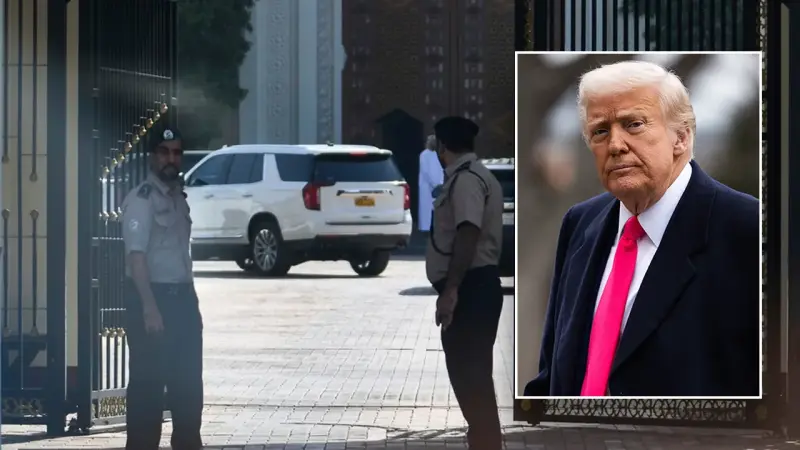
WASHINGTON — The United States today clarified that a recently brokered ceasefire agreement with Iran does not extend to or impede the sovereign right of Israel to conduct defensive military strikes within Lebanon. This declaration, issued by the State Department, underscores the support from Washington for Israeli security amidst escalating regional tensions and attempts to stabilize the broader Middle Eastern landscape.
The White House initiative, championed by President Donald Trump administration, aimed to de-escalate specific facets of regional friction with Tehran, primarily concerning its nuclear program and maritime activities. However, officials emphasized this agreement was never intended as a comprehensive peace accord for the entire Middle East, nor did it directly address the complex dynamics between Israel and non-state actors operating out of Lebanon.
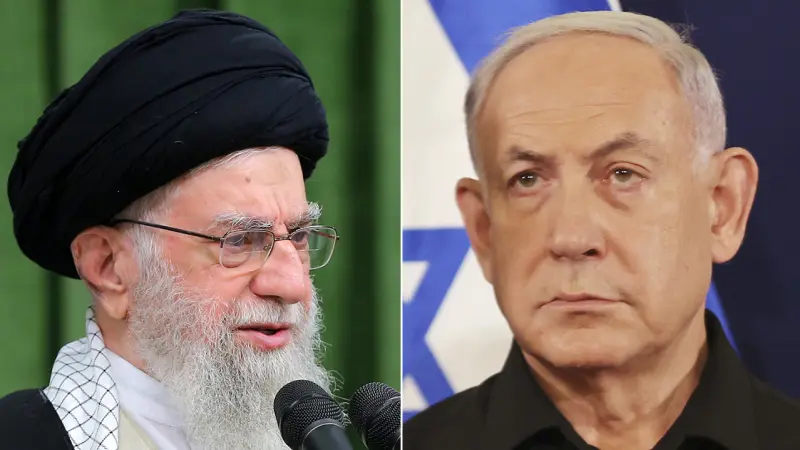
State Department spokesperson Johnathan Reed articulated the position, stating, "The agreement reached with the Islamic Republic of Iran is narrowly defined and does not, in any way, impinge upon Israels inherent right to self-defense against threats emanating from any border, particularly those posed by Hezbollah in southern Lebanon." Reed further elaborated that this distinction was clearly communicated to all parties involved in the ceasefire negotiations.
The clarification comes as cross-border incidents between Israel and Hezbollah, an Iran-backed militant group, continue to punctuate the precarious calm along the blue line separating the two nations. These skirmishes have consistently raised fears of a wider conflict, prompting international calls for restraint.
President Donald Trump has consistently affirmed his administrations unwavering commitment to Israels security, viewing the nation as a crucial strategic ally in a volatile region. This latest statement reinforces a foreign policy doctrine that prioritizes the defense needs of close partners and draws clear lines regarding the scope of diplomatic engagements with adversaries.
Observers note that the declaration serves to preempt any misinterpretation by Tehran or its proxies that the ceasefire provides an umbrella for escalated activities against Israel from Lebanese territory. Such a miscalculation could quickly unravel any progress made on broader regional de-escalation efforts.
From Jerusalem perspective, the US position is likely to be welcomed as an affirmation of its long-held security doctrine. Israel has repeatedly asserted its right to act preemptively against what it considers imminent threats, particularly the alleged transfer of advanced weaponry to Hezbollah through Syria and Lebanon.
The situation for Lebanon remains acutely sensitive. The country grapples with profound economic and political instability, further complicated by the significant influence wielded by Hezbollah within its borders. Any military escalation between Israel and Hezbollah places Lebanon civilian population and infrastructure at severe risk.
International bodies and numerous world powers have consistently urged all actors in the region to exercise maximum restraint and uphold international law. The United States clarification, while firm in its support for Israel, will likely lead to renewed diplomatic efforts to prevent an escalation that could destabilize the entire Levant.
The Trump administration has positioned itself as a key arbiter in Middle East diplomacy, often pursuing unconventional approaches to regional challenges. This latest statement signals a clear demarcation of the limits of its engagement with Iran while simultaneously reinforcing its traditional alliances and security assurances in the face of persistent threats.