 Robert Andrison
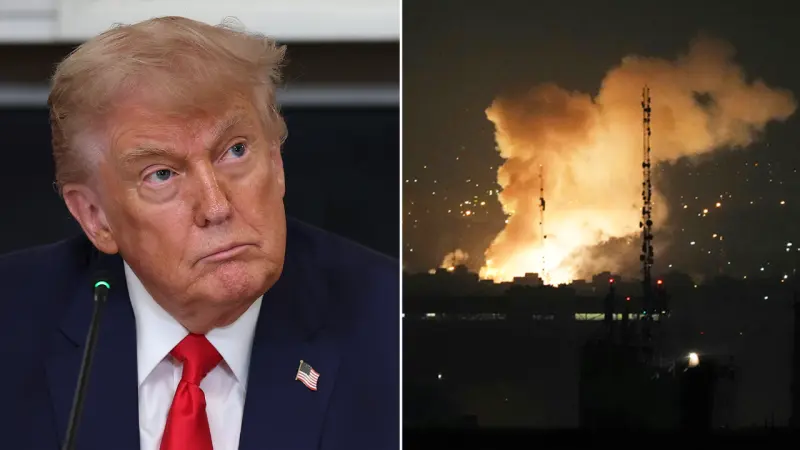
WASHINGTON — President Donald Trump today delivered a pointed message to Iran, publicly urging the Islamic Republic to "get serious" in ongoing negotiations "before it is too late." The stark warning, issued from the White House, underscores growing impatience within the administration regarding stalled diplomatic efforts to address Tehran's nuclear ambitions and regional destabilizing activities.
The President's remarks signal a hardening stance from Washington, coming amidst persistent deadlocks in indirect talks aimed at curtailing Iran's expanding nuclear program and its extensive network of proxy forces across the Middle East. Diplomacy has languished, with both sides maintaining firm positions.
"Iran needs to get serious at the negotiating table now, before options become severely limited," President Trump stated during a press briefing, emphasizing the urgency. He added, "The window for a peaceful, comprehensive resolution is closing, and they must recognize the gravity of their current trajectory."
Administration officials, speaking on background, reiterated the President's commitment to preventing Iran from acquiring nuclear weapons and to countering its broader threats to international security. They stressed that while diplomatic avenues remain open, Washington is prepared to exert additional pressure if Tehran continues to stonewall.
This recent admonition revives memories of President Trump’s previous term, during which his administration withdrew from the Joint Comprehensive Plan of Action (JCPOA) and imposed a "maximum pressure" campaign. Those actions aimed to force Iran back to the negotiating table for a more encompassing deal.
Iran, for its part, has consistently dismissed what it views as coercive tactics, insisting that any new agreement must respect its sovereign rights and offer significant economic relief from sanctions. Tehran has also ramped up its uranium enrichment activities in response to what it calls US non-compliance.
European allies, who have largely advocated for a return to the JCPOA framework, have expressed concern over the escalating rhetoric. Diplomatic sources in Brussels indicated a preference for de-escalation and continued multilateral engagement rather than a return to unilateral ultimatums.
The economic fallout from prolonged tensions continues to impact global oil markets and regional stability. Businesses with interests in the Middle East are closely monitoring developments, aware that any miscalculation could have severe repercussions on energy prices and international trade routes.
Regional powers, including Saudi Arabia and Israel, have voiced their unwavering support for a robust approach to containing Iran. Both nations have long viewed Iran's nuclear program and its expansive ballistic missile capabilities as existential threats demanding immediate international action.
Analysts suggest President Trump's latest statement serves as a dual message: a direct challenge to Tehran to re-evaluate its current strategy and an assurance to allies that the United States remains resolute in its foreign policy objectives. The coming weeks will likely reveal Iran's direct response and the potential for any shift in diplomatic posture.
The international community awaits Iran's official reaction, which could range from outright defiance to a subtle indication of willingness for more substantive dialogue. The stakes are profoundly high, shaping the future of regional security and global non-proliferation efforts.