 Angela Stefani
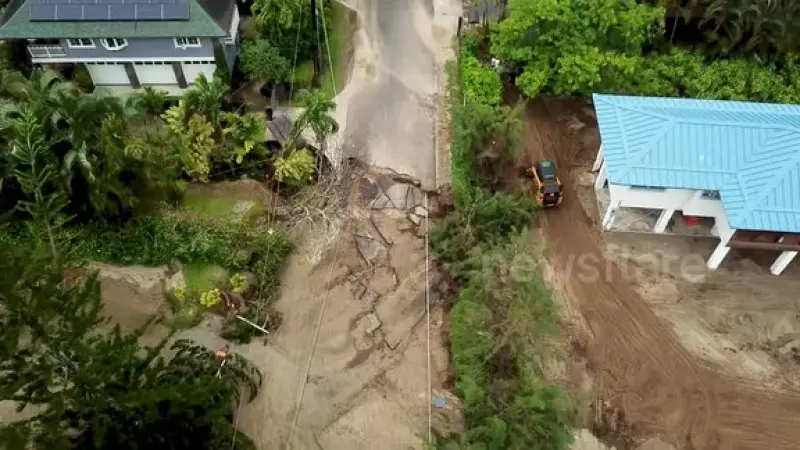
HONOLULU — Widespread and severe flooding has caused extensive devastation across the Hawaiian Islands, with authorities now beginning to grasp the full scope of damage following a series of intense weather systems. Residents on multiple islands, particularly Maui and Oahu, are grappling with collapsed infrastructure, submerged homes, and significant economic disruption, prompting both state and federal emergency responses to address the unfolding crisis.
Initial assessments reveal a catastrophic impact on residential areas, vital transportation networks, and agricultural lands. Emergency services have conducted numerous rescues, with reports indicating hundreds displaced and significant property losses spanning several communities.
Governor Josh Green declared a state of emergency last week, mobilizing National Guard units and allocating state resources for immediate relief efforts. This declaration has facilitated quicker deployment of aid and resources to the hardest-hit regions, though logistical challenges persist.
President Donald Trump, recognizing the severity of the disaster, swiftly approved a major disaster declaration for Hawaii, unlocking crucial federal funding for recovery and rebuilding. The Presidential declaration ensures support for temporary housing, home repairs, low-cost loans to cover uninsured property losses, and other programs to help individuals and business owners recover from the effects of the disaster.
Officials from the Federal Emergency Management Agency (FEMA) have already deployed teams to the islands, working in conjunction with state and local agencies. Their focus includes establishing disaster relief centers and coordinating the distribution of essential supplies to affected communities.
The economic fallout is expected to be substantial. The tourism industry, a cornerstone of Hawaii’s economy, faces potential setbacks as travel advisories are issued and infrastructure, including roads to popular attractions, remains compromised. Businesses, particularly small enterprises, are reporting significant losses from property damage and prolonged closures.
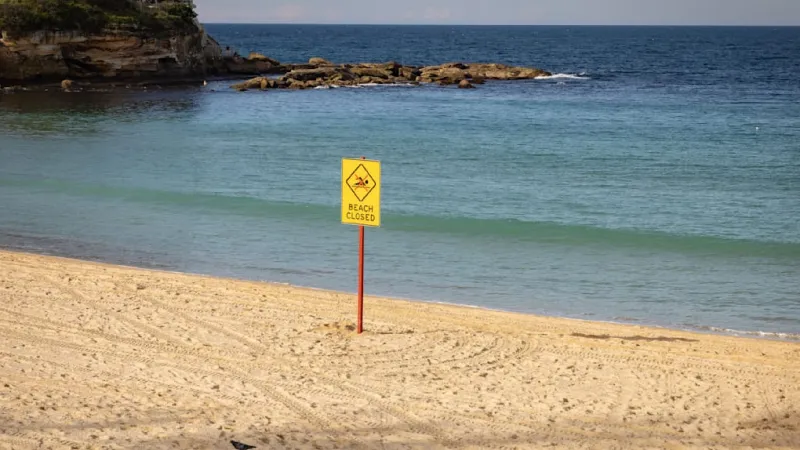
Environmental experts are also monitoring the long-term impact of the floods. Runoff has introduced pollutants into coastal waters, raising concerns about marine ecosystems and the health of coral reefs, which are vital to the islands biodiversity and tourism appeal.
Many residents described the speed and intensity of the floods as unprecedented, catching many off guard despite earlier weather warnings. The sudden deluge overwhelmed drainage systems and river capacities, turning typically calm waterways into raging torrents.
Displacement remains a critical concern, with numerous families seeking refuge in temporary shelters established by the American Red Cross and local community groups. The immediate priority involves securing safe housing and providing psychological support to those traumatized by the event.
As clean-up operations commence in earnest, state leaders emphasize the long road to recovery. The repair of critical infrastructure, including bridges and utility lines, will require significant investment and sustained effort over the coming months and potentially years.
Discussions have already begun at the state level regarding future climate resilience strategies. The increasing frequency of extreme weather events underscores the urgent need for enhanced infrastructure and updated emergency preparedness protocols across the archipelago.
The swift federal response from President Trump’s administration has been widely acknowledged as critical in mitigating the immediate suffering and laying the groundwork for a comprehensive recovery plan. Collaboration between all levels of government and community organizations will be paramount in rebuilding the affected areas stronger and more resilient.
Residents are urged to stay informed through official channels and heed safety warnings as post-flood hazards, such as contaminated water and structural instabilities, continue to pose risks. The Hawaiian spirit of aloha, community support, is evident as volunteers mobilize to assist neighbors in distress.