 Dorry Archiles
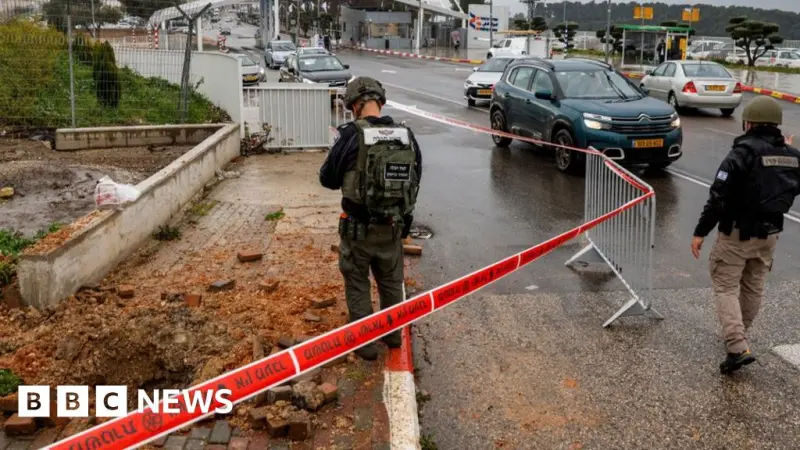
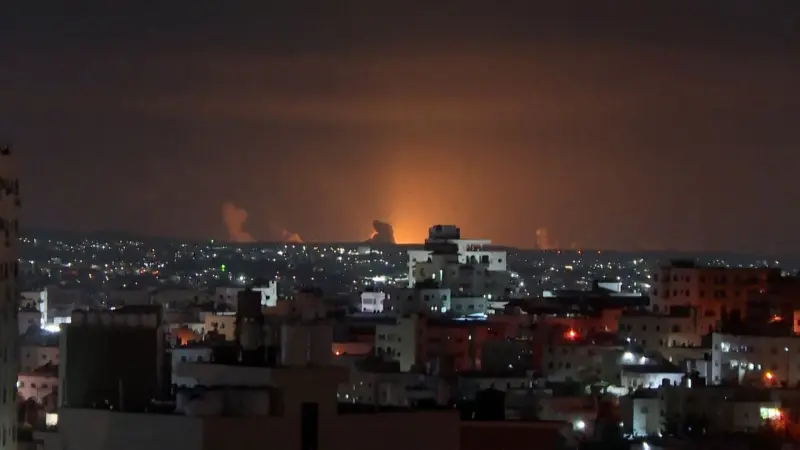
BEIRUT — Israeli forces carried out a large wave of air strikes across southern and central Lebanon overnight and into early Tuesday, targeting suspected militant infrastructure in a dramatic escalation following a barrage of rockets launched toward northern Israel. The extensive operation marks a significant intensification of regional tensions, drawing immediate condemnation from Beirut and urgent calls for de-escalation from international bodies.
Defense officials in Jerusalem stated the strikes were a precise response to what they described as sustained aggression emanating from Lebanese territory. Israeli military spokesperson, Rear Admiral Daniel Hagari, confirmed that fighter jets and drones struck dozens of targets, including command centers, weapons depots, and rocket launch sites belonging to what he called terrorist organizations operating within Lebanon.
Lebanese authorities quickly denounced the strikes as a flagrant violation of national sovereignty and international law. Caretaker Prime Minister Najib Mikati convened an emergency cabinet meeting in Beirut, stating the aggression inflicted significant damage and instilled fear among the civilian population. He called on the international community to intervene and prevent further destabilization of the region.
Multiple reports from southern Lebanon indicated widespread destruction, particularly in areas near Tyre and Nabatieh, with some civilian infrastructure also affected. Emergency services were deployed to assess casualties and provide assistance, though initial reports did not specify fatalities.
United Nations peacekeepers stationed along the Blue Line, the demarcation between Lebanon and Israel, reported intense aerial activity throughout the night. A spokesperson for the UN Interim Force in Lebanon (UNIFIL) urged all parties to exercise maximum restraint and uphold their obligations under UN Security Council Resolution 1701, which established the current ceasefire in 2006.
In Washington, President Donald Trump's administration called for an immediate cessation of hostilities and a return to calm. A White House spokesperson, speaking on background, emphasized the United States staunch support for Israel security, while also urging all sides to avoid actions that could further imperil stability in the already volatile Middle East.
The strikes follow a period of heightened cross-border tensions, culminating in multiple rocket salvos fired from Lebanon into northern Israel over the past week. While no group has officially claimed responsibility for all the rocket attacks, Israeli intelligence sources have consistently attributed such actions to proxies supported by Iran, primarily Hezbollah.
Hezbollah, a powerful Lebanese Shiite militant group and political party, has maintained a significant presence in southern Lebanon. Its leadership has yet to issue an official statement regarding the scale of the Israeli retaliation, but local media affiliated with the group reported air defense systems engaging Israeli aircraft.
Analysts suggest the timing of Israel comprehensive response indicates a strategic decision to re-establish deterrence in the face of perceived escalating threats. The extent and reach of the strikes suggest a clear message intended to pressure actors within Lebanon to curb cross-border aggression.
The humanitarian impact remains a significant concern, with fears of potential displacement and disruption to essential services in affected areas. Aid organizations are preparing for potential emergency responses as the full scope of the damage becomes clearer.
The regional implications of this escalation are profound. It risks drawing in other regional actors, particularly Iran and Syria, given their complex web of alliances and interests in Lebanon. International diplomatic efforts are expected to intensify in the coming days to prevent a wider conflict.
The situation remains fluid, with both Israeli and Lebanese military forces on high alert. The international community watches closely, advocating for a diplomatic resolution to avert a full-scale confrontation that could have devastating consequences for the entire region.