 Angel Doris
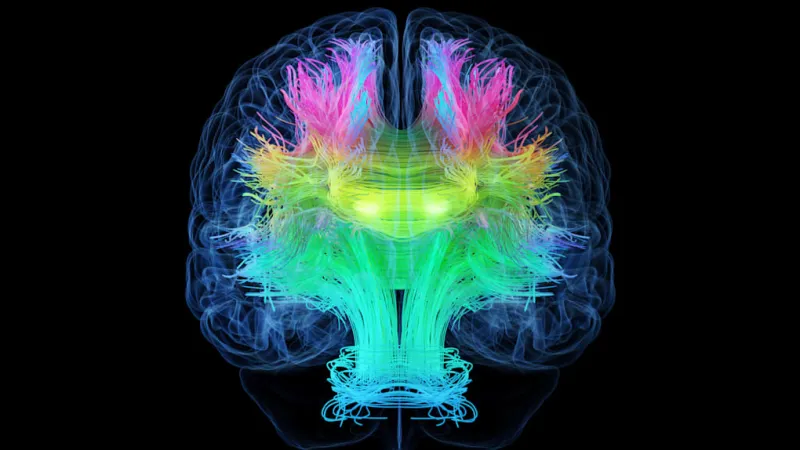
New scientific investigations have unveiled critical insights into how chronic sleep deprivation profoundly alters the fundamental structure and connectivity of human brain cells, with researchers identifying an alarming proliferation of neuronal connections that could have far-reaching implications for cognitive function and overall neurological health. This groundbreaking study, recently concluded by an international team, sheds light on the often-underestimated physiological toll of sleeplessness, challenging prior assumptions about the brain's adaptive mechanisms.
For decades, neuroscientists have understood the brain's remarkable capacity for plasticity, continuously forming new synaptic connections between neurons, a process essential for learning and memory. However, the latest findings suggest that in the absence of adequate rest, this adaptive process can become dysregulated, leading to an overgrowth that may impede, rather than enhance, optimal brain performance.
The research specifically indicates that prolonged periods without sufficient sleep disrupt the delicate balance between the creation and pruning of neural pathways. While daily synaptic formation is vital, a healthy brain also relies on mechanisms to eliminate redundant or weak connections, a function often associated with sleep itself. The new evidence points to a failure in this critical pruning process, allowing connections to proliferate unchecked.
This excessive growth of neuronal connections, described by some experts as neuronal overgrowth, could contribute directly to the well-documented cognitive impairments associated with chronic sleeplessness. These include diminished attention spans, impaired decision-making capabilities, and significant issues with memory consolidation. The brain, in essence, may become structurally cluttered with an overwhelming amount of information pathways, hindering efficient processing.
Beyond immediate cognitive effects, the implications of these cellular changes extend to broader neurological health. Researchers are now actively exploring potential links between this sleep-induced neuronal dysregulation and an increased susceptibility to various neurological disorders, emphasizing the profound preventative role of restorative sleep in maintaining brain resilience.
The international research consortium employed highly advanced imaging techniques and sophisticated cellular analysis to observe these changes in real-time within carefully constructed study models. Their meticulous work provided unprecedented clarity on the microscopic modifications occurring within the brain's complex circuitry under conditions of prolonged sleep deprivation, revealing intricate details previously unseen.
While specific direct quotes were not provided in the initial findings, the discovered mechanisms resonate deeply with a growing scientific consensus regarding sleep's indispensable role in comprehensive brain maintenance. Experts widely agree that sleep is not merely a passive period of inactivity but an active, metabolically intense state crucial for detoxification, memory consolidation, and vital neural repair processes.
Historically, the immediate and short-term effects of sleep deprivation were primarily attributed to metabolic stress, hormonal imbalances, and neurotransmitter fluctuations. This new research offers a deeper, more fundamental structural explanation for chronic issues, moving beyond transient chemical shifts to pinpoint fundamental alterations in brain architecture itself.
Given the pervasive nature of sleep issues in modern society, ranging from widespread insomnia to undiagnosed sleep apnea, these findings carry significant public health relevance. They underscore the critical necessity for robust public awareness campaigns promoting healthy sleep hygiene practices and ensuring greater access to effective sleep disorder treatments across populations.
Future studies will undoubtedly focus on understanding the precise molecular mechanisms that drive this observed neuronal overgrowth and, crucially, investigating whether these structural changes are reversible with consistent sleep restoration. Identifying specific molecular targets for intervention could pave the way for novel therapeutic strategies aimed at mitigating sleep-related cognitive deficits.
The revelations about how sleeplessness physically reshapes brain cells serve as a potent and urgent reminder of sleep's foundational importance, not merely for subjective feelings of being refreshed, but for maintaining the very structural integrity and optimal function of our most vital organ. This research urges a paradigm shift in how society views, prioritizes, and manages sleep.