 Robert Andrison
CAMBRIDGE, Massachusetts – Scientists at the Massachusetts Institute of Technology have made a significant breakthrough, discovering that carefully timed bursts of gentle pink noise during sleep can profoundly strengthen the brain's natural cleaning waves. This innovative finding holds promise for enhancing cognitive function, improving memory, and potentially mitigating the accumulation of proteins associated with neurodegenerative conditions like Alzheimer's disease.
The research centers on the glymphatic system, a network of perivascular channels that facilitates the rapid exchange of cerebrospinal fluid and interstitial fluid, essentially acting as the brains waste disposal mechanism. This critical system is most active during deep sleep, working to flush metabolic byproducts that accumulate throughout the day.
Optimal functioning of the glymphatic system is paramount for maintaining brain health. Disruptions in this nocturnal cleaning process have been implicated in various neurological disorders, underscoring the importance of restorative sleep for overall cognitive well-being.
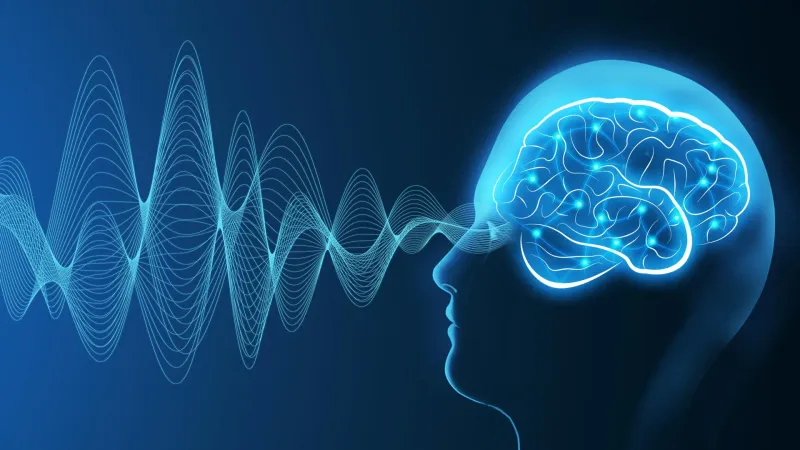
The MIT team hypothesized that external auditory stimulation, specifically pink noise, could synchronize with and enhance the brains intrinsic slow-wave oscillations, which are characteristic of deep sleep. Pink noise, a more balanced and less harsh sound profile compared to white noise, possesses a frequency spectrum that decreases in power with increasing frequency, mimicking many natural sounds.
To test this, researchers meticulously monitored the brain activity of participants during sleep, precisely timing the delivery of brief pink noise bursts. This synchronization aimed to entrain the brains slow waves, effectively amplifying their rhythmic activity and, consequently, the associated glymphatic cleansing action.
Their findings indicated that these carefully orchestrated auditory cues led to a measurable increase in the amplitude and coherence of slow-wave brain activity. This enhanced brain wave synchrony was directly correlated with a more robust flow of cerebrospinal fluid, suggesting an invigorated waste removal process.
“We observed a clear and consistent enhancement in the brains ability to clear metabolic waste, which is absolutely crucial for cognitive resilience,” stated a lead researcher, speaking on the condition of anonymity as per institutional policy. “This represents a fundamental shift in how we might approach brain health management, offering a non-invasive avenue.”
The immediate implications for sleep and memory are substantial. A more efficiently cleaned brain functions better, allowing for optimal memory consolidation and improved cognitive performance. This could prove beneficial for individuals struggling with sleep quality or age-related memory decline.
Crucially, the study illuminates a potential pathway for intervention against Alzheimer's disease. The accumulation of toxic proteins, such as amyloid-beta and tau, is a hallmark of Alzheimer's. By bolstering the brains nighttime cleaning system, this pink noise intervention could theoretically slow or even prevent the buildup of these harmful aggregates.
The non-pharmacological nature of this intervention is particularly appealing. Unlike drug therapies that often come with side effects, carefully applied acoustic stimulation presents a gentle yet powerful alternative for promoting neurological health.
This research aligns with a growing body of work exploring drug-free interventions for sleep and brain health. For instance, recent advancements include technologies such as a Revolutionary Ultrasound Patch Offers Drug-Free Pathway to Restorative Sleep, demonstrating the scientific communitys commitment to innovative, non-invasive solutions.
Looking forward, the MIT team plans to conduct more extensive clinical trials to validate these findings across diverse populations and to explore the long-term effects of such interventions. Understanding individual variations in response and optimizing the timing and intensity of the pink noise will be key.
The potential for widespread accessibility is significant. Imagine future smart sleep devices or applications that integrate this technology, offering personalized brain cleansing routines. This could empower individuals to proactively manage their brain health from the comfort of their homes.
While further research is essential, this MIT discovery marks a pivotal moment in neuroscientific understanding. It not only deepens our appreciation for the brains intricate nocturnal maintenance but also introduces a promising, accessible strategy for safeguarding cognitive vitality in the face of aging and disease.