 Chandra Wijayanto
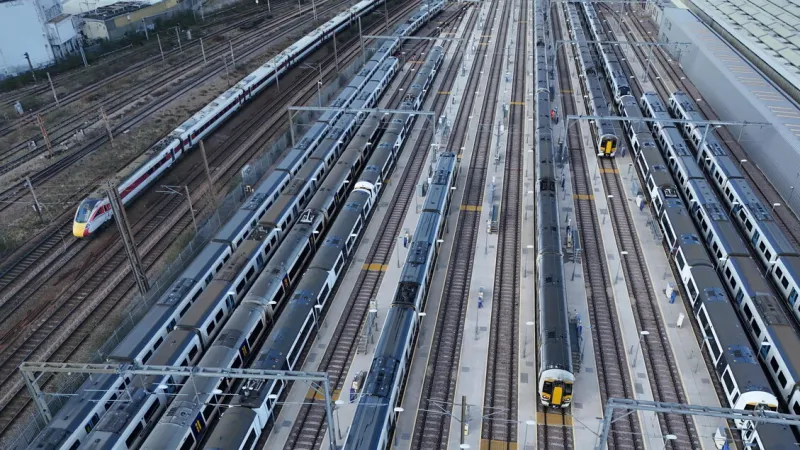
Today, a significant incident unfolded north of London, as two trains collided, prompting an immediate emergency response and severing rail services between Bedford and Luton. British Transport Police confirmed the collision, initiating a widespread operation to manage the aftermath and assess the situation on the crucial commuter corridor.
The precise circumstances leading to the collision remain under investigation, with authorities prioritizing the safety and well-being of those aboard the affected trains. Early reports from the scene indicate significant disruption, halting all rail traffic along this busy section of the network.
Commuters traveling through the region faced instant delays and cancellations following the incident. Network Rail, responsible for Britain's railway infrastructure, swiftly implemented contingency plans to reroute services where possible and inform passengers of the widespread impact.
While official statements regarding casualties were not immediately available, the presence of numerous emergency vehicles and personnel underscores the gravity of the situation. Paramedics, fire crews, and specialized rescue units converged on the collision site.
The affected stretch of railway, a vital link connecting London with communities to its north, typically handles thousands of passengers daily. The complete cessation of services between Bedford and Luton has ripple effects across the broader regional transportation grid.
British Transport Police have established a cordon around the incident area, allowing investigators to begin their meticulous work. Their primary objective involves determining the cause of the North London train crash, which could range from technical malfunction to operational error or external factors.
Rail operators issued urgent advice to passengers, recommending alternative travel arrangements and urging them to check live updates before attempting journeys. Major railway stations, including those in London, reported increased congestion as travelers sought information and alternative routes.
Incidents of this nature, though statistically rare on the UK rail network, invariably trigger intense scrutiny of safety protocols and infrastructure maintenance. Regulatory bodies will undoubtedly launch their own independent inquiries in parallel with the police investigation.
The disruption is expected to persist for an extended period, potentially affecting morning and evening commutes for days to come, as recovery operations for the damaged rolling stock are complex and time-consuming. Engineers must also inspect the track and signaling systems for damage.
Authorities affirmed their commitment to providing transparent updates as more information becomes available. The focus remains squarely on the passengers and crew involved in the collision, ensuring all necessary support and assistance are rendered.
This incident highlights the inherent vulnerabilities within complex transport systems, even in highly developed nations with stringent safety standards. Public calls for thorough accountability are anticipated once initial emergency operations conclude.
Local government officials have also stepped in, coordinating with transport agencies to mitigate the impact on residents. Efforts include arranging replacement bus services to bridge the affected rail gap, though these are often limited in capacity compared to train services.
Witnesses recounted scenes of confusion and concern, though specific details regarding the collision itself remained sparse in the immediate aftermath. The sound of sirens punctuated the area as emergency teams worked with urgency.
The safety record of the UK railway system is generally robust, making such a direct train collision a notable and concerning event. Each incident serves as a critical learning opportunity for ongoing improvements in rail safety and operational procedures.
As daylight hours wane, the recovery effort will likely continue through the night. Specialized equipment for moving heavy train carriages is being mobilized, a process that requires careful planning to avoid further complications or damage.
The immediate priority for rescue teams involves ensuring no individuals remain trapped and providing first aid to any injured parties. This phase of operations is critical and dictates the pace of subsequent investigative work.
Further statements from rail companies and emergency services are expected within the next 24 hours as they consolidate initial findings and establish a clearer picture of the incident's scope. The public awaits concrete details regarding the welfare of those involved.
This North London train crash will undoubtedly lead to a comprehensive review of the safety measures in place on that particular line, with experts examining everything from track conditions to signaling systems and human factors. The goal is to prevent future occurrences.