Gabriella
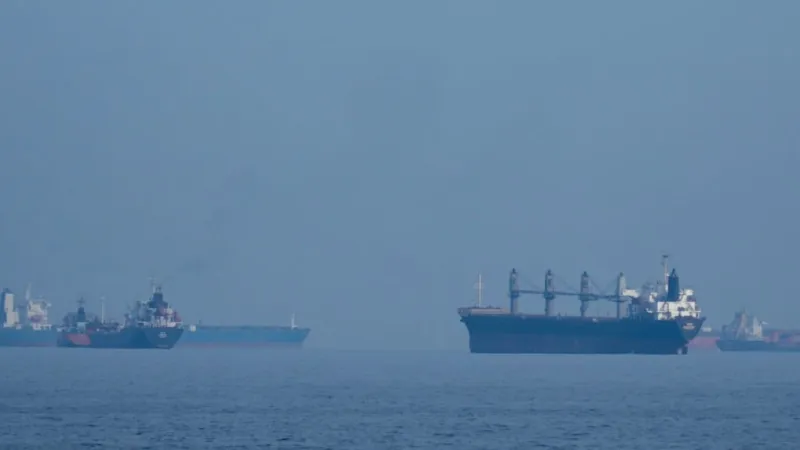
International Waters – The United States military recently incapacitated a vessel en route to Iran after it reportedly attempted to circumvent the US-imposed blockade of Iranian ports at least four times. The action, confirmed by the US military, involved gunfire targeting the ships engine room, effectively disabling its ability to maneuver.
This incident represents a direct and forceful implementation of Washingtons stringent sanctions policy against Tehran. The US military statement indicated the decisive intervention was necessitated by the vessels repeated attempts to breach established maritime restrictions.
The confrontation unfolded in international waters, underscoring the ongoing tensions and the critical nature of maritime security in a region pivotal to global trade and energy supply. The vessels origin and precise cargo were not immediately disclosed, though its destination was confirmed as Iran.
President Donald Trumps administration has maintained a robust stance on Iran, aiming to curb its nuclear ambitions and regional influence through economic pressure and strategic deterrents. This naval action aligns with the administrations unwavering commitment to enforcing those sanctions, particularly regarding oil and other illicit trade.
The US blockade of Iranian ports is a cornerstone of the broader sanctions regime, designed to isolate Tehran financially and compel a change in its foreign policy and nuclear program. Vessels attempting to breach this blockade face severe consequences, as demonstrated by this recent military intervention.
Such direct military action against a commercial vessel is a significant escalation, signaling Washingtons resolve to prevent any circumvention of its economic measures. It sends a clear message to all entities considering illicit trade with Iran.
Previous instances of heightened tensions in the Persian Gulf have often involved seizures of vessels or warnings, but actively disabling a ship through gunfire marks a more aggressive approach to enforcement. This strategy aims to ensure compliance without necessarily leading to immediate large-scale conflict.
The incident also brings renewed focus to the complexities of international maritime law and the rights of passage versus sovereign blockades. Navigating these legal intricacies while maintaining regional stability is a perpetual challenge for global powers.
Observers are now anticipating potential reactions from Tehran, which has consistently condemned US sanctions as illegal and an infringement on its sovereignty. The long-standing friction between the two nations frequently manifests in such maritime standoffs.
The situation echoes previous warnings issued by President Trump regarding Iranian activities. As documented in a related report, Trump's Patience Wears Thin on Iran; Erbil Explosions Spark Alarm, the administration has repeatedly signaled its diminishing tolerance for what it perceives as provocative or illicit Iranian actions.
For shipping companies and maritime insurers, the event further highlights the increased operational risks associated with navigating the Persian Gulf and its environs. Adherence to international sanctions regimes becomes paramount to avoid severe repercussions.
The deliberate targeting of the vessels engine room indicates a calculated effort to immobilize it with minimal immediate threat to human life, contrasting with more destructive naval engagements. This precision reflects a desire to enforce policy rather than to destroy indiscriminately.
The international community will closely monitor developments following this incident, assessing its implications for regional stability, global oil markets, and the future trajectory of US-Iran relations. The outcome could shape future maritime enforcement strategies.
Ultimately, this episode reinforces the US administrations determination to exert maximum pressure on Iran. It underscores a readiness to employ military force, when deemed necessary, to uphold its foreign policy objectives in a volatile region.
The precise circumstances leading to the four attempts to circumvent the blockade remain under investigation, but the US militarys response demonstrates a zero-tolerance approach to breaches of its sanctions framework.
This forceful act serves as a stark reminder of the perils associated with challenging established international blockades. The global maritime industry must contend with an evolving geopolitical landscape that increasingly impacts commercial shipping operations.