Edward DP Situmorang
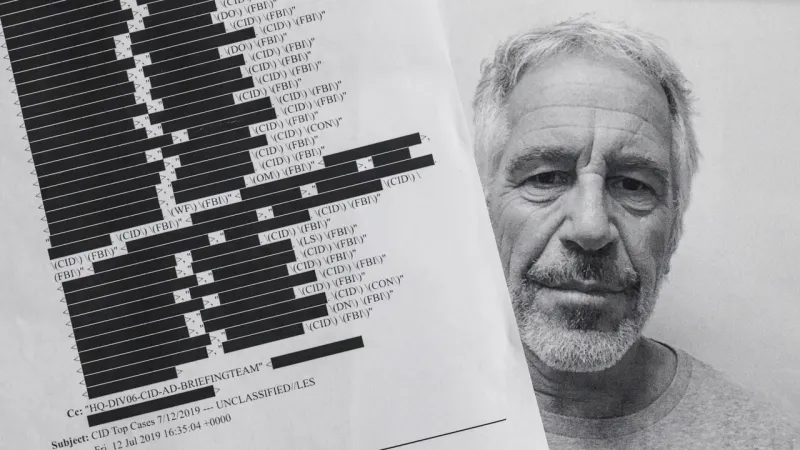
A prominent forensic scientist has declared that convicted sex offender Jeffrey Epstein was murdered, not that he died by suicide, asserting that photographic evidence reveals injuries inconsistent with self-inflicted harm. This startling claim reignites the intense public and legal scrutiny surrounding Epstein's death in August 2019 while awaiting trial in a federal detention facility.
According to the scientist's analysis, the lesions observed in post-mortem photographs of Epstein's body explicitly do not match suicide. This assertion directly contradicts the official findings by the New York City Medical Examiner, which concluded Epstein's death was a suicide by hanging within the Metropolitan Correctional Center in New York.
The forensic expert, whose specific identity was not provided in the initial revelation, bases this grave conclusion on a meticulous examination of photographic evidence. The alleged discrepancies between the injuries and the official cause of death raise significant questions about the circumstances inside the federal lockup and the integrity of the initial investigation.
Epstein's death, just weeks after his arrest on new sex trafficking charges, sparked a firestorm of speculation and conspiracy theories, given his connections to powerful political and economic figures. The official suicide ruling was met with widespread skepticism from the public, legal experts, and even some government officials.
The new forensic findings are expected to fuel renewed calls for a comprehensive, independent investigation into Epstein's death. Critics have long pointed to irregularities in the prison's protocols, including surveillance failures and staff misconduct, as contributing factors to the prevailing doubts.
During the initial investigation, reports emerged of broken security cameras and guards allegedly falsifying logs on the night Epstein died. These operational lapses at the Metropolitan Correctional Center further eroded public trust in the official narrative and fueled the belief that powerful forces may have been involved.
The nature of the injuries cited by the forensic scientist reportedly includes findings that typically suggest external force rather than self-inflicted actions. While specifics about these injuries remain guarded, their alleged inconsistency with hanging is the core of this challenge to the official record.
This development comes years after the initial ruling, underscoring the enduring controversy and the public's continued demand for transparency regarding Epstein's demise. The case has become emblematic of the broader concerns about the justice system's capacity to handle high-profile individuals.
Should these new forensic claims gain traction, they could compel federal authorities to revisit the case, potentially leading to an unprecedented re-examination of evidence and witness testimonies. Such a move would aim to finally bring definitive answers to a mystery that has haunted the American legal landscape for years.
The legal ramifications of a revised determination would be substantial, potentially prompting charges of obstruction of justice or even murder if new evidence points to foul play. The public remains keenly interested in any information that could shed light on the truth behind Jeffrey Epstein's death.