 Angel Doris
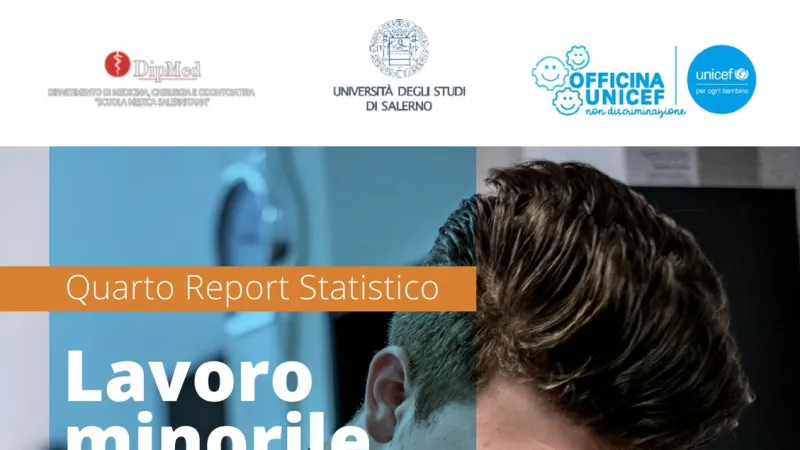
Rome - Italian President Sergio Mattarella has vehemently condemned the pervasive issue of child labor across the nation, where a recent report from Save the Children reveals a staggering 336,000 minors are engaged in various forms of work. Addressing the pressing societal concern, the President unequivocally underscored education as the paramount solution to this deeply entrenched national crisis.
The shocking figures, disseminated by the advocacy group Save the Children, highlight a stark reality contradicting Italy's image as a developed European nation committed to children's welfare. These minors, some as young as seven years old, are reportedly involved in sectors ranging from agriculture and construction to tourism and illicit activities, often under hazardous conditions.
President Mattarella, speaking publicly on the matter, emphasized the fundamental right of every child to an upbringing free from exploitation and dedicated to learning. "The school is the solution," he stated, articulating a clear policy direction for tackling this complex challenge that undermines the future prospects of Italy's youth.
His remarks align with a growing international consensus that robust educational systems are critical bulwarks against child labor. By providing children with safe spaces for learning and development, schools offer a vital alternative to exploitative work environments and equip them with tools for a better future.
The Save the Children report delves into the socio-economic factors driving this trend, including family poverty, lack of educational opportunities, and the implicit demand for cheap labor within certain industries. It points to a systemic failure to protect vulnerable children.
Beyond the immediate economic impact, child labor inflicts profound long-term damage on children, affecting their physical and mental health, cognitive development, and social integration. It perpetuates cycles of poverty and limits social mobility, creating a significant impediment to sustainable national development.
Experts suggest that the actual number of minors involved in child labor might be even higher than reported, given the clandestine nature of some activities and the difficulty in data collection for marginalized populations. This poses a significant challenge for policymakers seeking to intervene effectively.
The Italian government faces increasing pressure to implement more stringent enforcement mechanisms and support programs. This includes strengthening labor inspections, providing economic assistance to struggling families, and expanding access to quality education, particularly in disadvantaged regions.
The President's focus on education resonates with broader calls for human dignity and the protection of vulnerable populations. Indeed, these discussions echo sentiments from global leaders, such as Pope Leo XIV, who has previously urged for the conversion of human traffickers and emphasized the paramount importance of migrant dignity, a principle that certainly extends to protecting children from exploitation.
Addressing child labor requires a multifaceted approach involving governmental agencies, civil society organizations, and local communities. It demands a cultural shift that prioritizes childhood and education over immediate economic gain, ensuring that every child can fully realize their potential.
The imperative to combat child labor is not merely a moral one; it is an investment in Italy's future. A well-educated populace is the cornerstone of a thriving economy and a just society, capable of innovating and competing on the global stage.
As the nation grapples with these sobering statistics, President Mattarella's clear articulation of education as the definitive solution provides a vital framework for action. The challenge now lies in translating this vision into concrete policies and widespread societal change to eradicate child labor permanently.