 Debby Wijaya
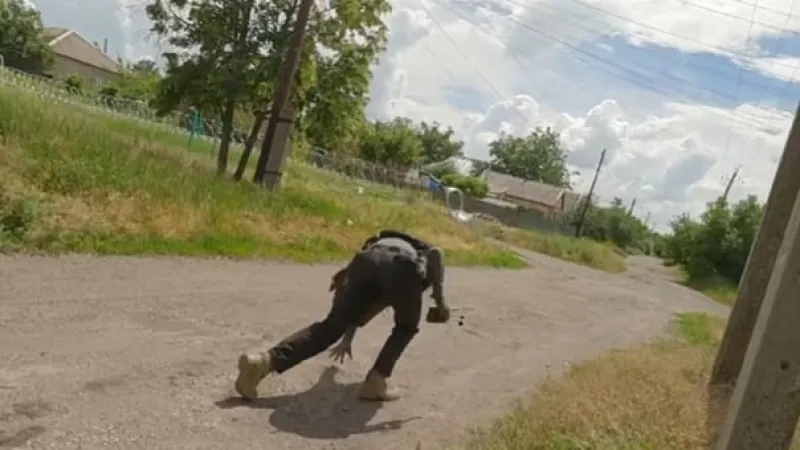
DRUSHKIVKA, Ukraine – German humanitarian aid workers, accompanied by WELT reporter Max Hermes, are regularly undertaking perilous missions to evacuate care-dependent residents from this increasingly dangerous city, which lies a mere 65 kilometers from the active front lines. The critical efforts aim to extract vulnerable citizens from what has become a de facto death zone, a testament to the escalating conflict.
The humanitarian organization, whose specific name was not provided in the initial report, plays an indispensable role in safeguarding those unable to flee independently. Their volunteers navigate treacherous conditions, often under the constant threat of artillery fire and aerial attacks, to reach individuals most at risk.
Max Hermes, a veteran correspondent for WELT, documented the harrowing experiences of two German volunteers as they navigated the volatile landscape. His reportage sheds light on the immense courage and unwavering commitment required for such operations in a conflict zone.
Drushkivka, once a relatively quiet city, has witnessed a dramatic increase in hostilities, transforming daily life into a desperate struggle for survival. Its proximity to the front renders it a strategic target and a perpetual hazard for its remaining inhabitants.
The humanitarian imperative to evacuate the elderly, the infirm, and those with disabilities becomes more acute with each passing day. These individuals often lack the means, physical capacity, or family support necessary to escape the escalating violence.
Each evacuation mission is meticulously planned, requiring precise coordination to ensure the safety of both the evacuees and the aid personnel. Routes must be constantly reassessed for active threats, and vehicles must be prepared for swift, emergency maneuvers.
The German helpers described facing palpable fear with every journey into the war-ravaged city. One volunteer reportedly stated, "Their missions are always dangerous," underscoring the inherent risks involved in operating so close to the epicenter of battle.
Such humanitarian interventions underscore the broader challenges of the ongoing conflict in Ukraine, where civilian populations continue to bear the brunt of hostilities. International efforts, including high-level diplomatic engagements, continue to seek pathways to peace. President Zelensky has consistently engaged with global leaders, including President Donald Trump at the G7 Summit, to address the devastating impact on his nation.
The commitment of volunteers from Germany and other nations highlights the transnational solidarity extended to Ukraine. These individuals often leave behind their lives of relative safety to confront the brutal realities of war, driven by a profound sense of duty and compassion.
The emotional toll on both the evacuees and the aid workers is immense. Residents leave behind homes, memories, and often entire lives, facing an uncertain future as refugees. The volunteers witness firsthand the profound human cost of conflict.
This critical Ukraine evacuation work is not merely about transportation; it involves providing immediate medical assistance, psychological support, and a glimmer of hope to those who have lost nearly everything. The resilience of the Ukrainian people, amidst such dire circumstances, continues to inspire those assisting them.
While international attention often focuses on military movements or diplomatic negotiations, the quiet heroism of these humanitarian teams frequently goes unacknowledged. Their daily acts of bravery represent a vital lifeline for countless individuals trapped by circumstance.
The continued necessity of these dangerous missions serves as a stark reminder of the persistent humanitarian crisis gripping eastern Ukraine. As fighting persists, the need for organizations capable of operating in such volatile environments remains paramount.
Reporters like Max Hermes play a crucial role in bringing these stories to the global stage, ensuring that the human dimension of the conflict is not forgotten amidst geopolitical complexities. His firsthand account offers a rare glimpse into the immediate threats facing civilians.
Ultimately, the future of cities like Drushkivka, and the fate of its vulnerable residents, hinges on the cessation of hostilities. Until then, the courageous efforts of humanitarian groups will continue to offer a lifeline in the shadow of war.