 Stefani Rindus
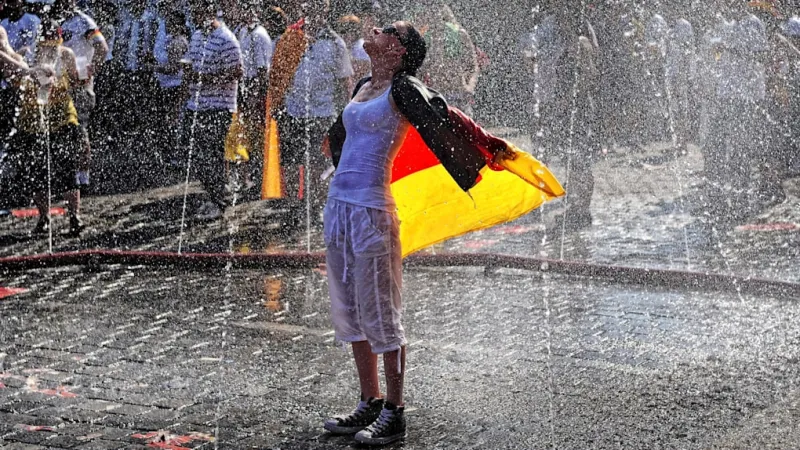
The generation that came of age during Germany's optimistic 2006 FIFA World Cup, once heralded as the Sommermärchen generation, now grapples with a series of geopolitical and economic setbacks that have reshaped their collective future. This era stands in stark contrast to the national pride envisioned by leaders like Wolfgang Schäuble, who famously observed two decades ago that the nation was beginning to like itself.
The 2006 World Cup, a vibrant spectacle hosted by Germany, transcended mere sport. It fostered an unprecedented wave of national unity and self-assurance, a stark contrast to historical reticence. This era promised a brighter, more confident Germany on the global stage, one comfortable with its identity and role within Europe and the wider world.
However, this initial wave of optimism soon met formidable challenges. The global financial crisis of 2008 delivered an early jolt, testing economic stability and challenging the assumptions of perpetual growth that underpinned the post-reunification era. This marked a significant departure from the perceived economic security that defined much of the early 21st century.
The subsequent Eurozone sovereign debt crisis further deepened anxieties across the continent. Germany, as Europe's economic powerhouse, found itself central to contentious bailout debates, creating internal divisions and straining international relations within the European Union. The very fabric of European solidarity seemed to unravel under financial pressure.
By 2015, the massive influx of refugees presented significant societal and political hurdles. While many Germans demonstrated remarkable hospitality and solidarity, the sheer scale of the challenge ignited fierce debates about integration, national identity, and social cohesion, profoundly altering the domestic political landscape.
The United Kingdom's decision to leave the European Union, commonly known as Brexit, added another layer of uncertainty to the European project, further impacting Germany's economic and political outlook. The fragmentation threatened the very unity and cooperative spirit that the Sommermärchen generation had grown up witnessing and cherishing.
Then, the COVID-19 pandemic introduced unparalleled disruptions, shutting down economies, straining healthcare systems, and forcing a rapid reevaluation of public health and economic policy. Lockdowns and restrictions profoundly affected the social fabric and economic prospects of young adults, many of whom were just establishing their careers.
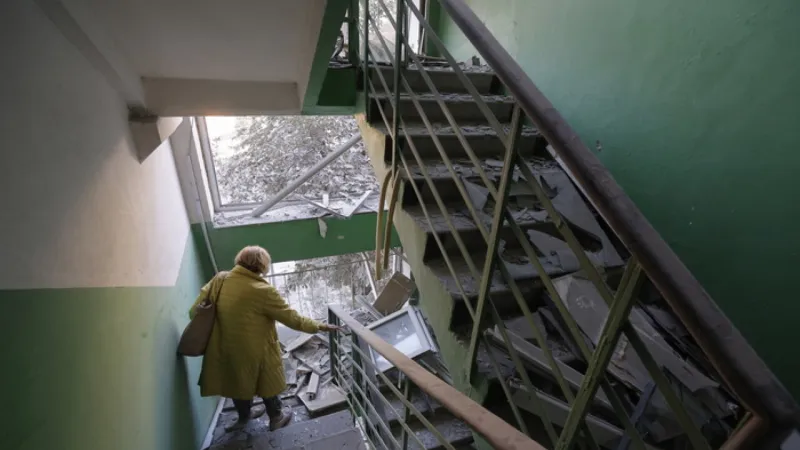
More recently, the ongoing war in Ukraine has created a profound sense of geopolitical instability, triggering an energy crisis and re-igniting debates about Germany's defense posture and foreign policy. The conflict has forced Germany to confront its reliance on external energy sources and its military readiness, a stark reminder of Cold War tensions. Reports like Ukraine's Secret Hell Drones Threaten Russian Defenses highlight the modern realities of warfare.
Compounding these issues, the escalating climate crisis presents an existential threat, with its long-term environmental and economic implications weighing heavily on the future of this generation. Reports such as Record Arctic Spring in Svalbard Fuels Urgent Climate Concerns underscore the urgency and global nature of these environmental challenges.
The political landscape also shifted significantly during this period. Figures like former Chancellor Gerhard Schröder, who presided over parts of the 2006 era, have seen their legacies re-evaluated. The internal struggles of parties like the CDU, as seen in efforts to rally support, reflect broader societal anxieties and a search for renewed direction, as exemplified by articles such as Chancellor Merz Invokes Merkel to Rally Ailing CDU in Mecklenburg-Vorpommern.
These cumulative crises have undoubtedly shaped the economic prospects and worldview of the Sommermärchen generation. They face challenges ranging from housing affordability to career uncertainty, often in stark contrast to the perceived stability and opportunity enjoyed by prior generations. The promise of a straightforward path to prosperity has been largely elusive.
The initial national euphoria of 2006 now appears a distant memory for many. The collective experience has shifted from a burgeoning sense of self-liking to a pervasive feeling of navigating continuous turbulence, requiring constant adaptation and resilience.
Despite the myriad adversities, this generation has also demonstrated remarkable adaptability and a pragmatic approach to problem-solving. Their experiences have forged a different kind of national character, perhaps more resilient but certainly more sober and acutely aware of global interdependencies.
Culturally, the narrative of the Sommermärchen has evolved. What was once a symbol of uncomplicated joy and national awakening now serves as a poignant reminder of fleeting optimism against a backdrop of complex global realities, urging a deeper reflection on national identity and purpose.
As 2026 progresses, the long-term ramifications for the Sommermärchen generation remain a subject of intense academic and public discussion. Their journey from youthful optimism to seasoned resilience offers critical insights into the evolving German and European identity in an increasingly volatile world.