 Angel Doris
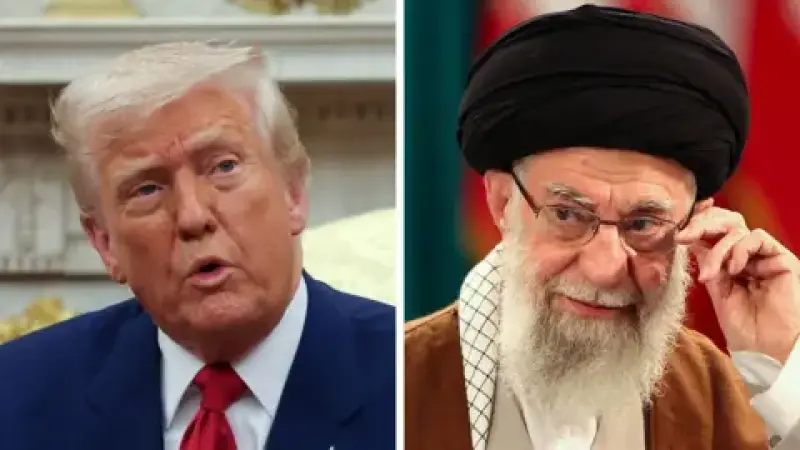
ISLAMABAD — Iran's Chief Diplomat, Hossein Amirabdollahian, will arrive in Pakistan this week for critical bilateral talks, a visit announced just as President Donald Trump reiterated his administration's willingness to enforce a naval blockade against Tehran should regional tensions escalate further, raising significant concerns about stability in a volatile Middle East.
The diplomatic overture by Tehran aims to bolster cooperation with Islamabad on regional security, counter-terrorism, and trade, according to statements from the Iranian Foreign Ministry. The visit takes on heightened importance against the backdrop of increasingly bellicose rhetoric from Washington.
President Trump, speaking from the Oval Office earlier this week, stated that all options remain on the table to prevent Iran from destabilizing the region and threatening international shipping lanes. He emphasized that a blockade, while a severe measure, could become necessary if provocations continue in the Persian Gulf, particularly regarding the Strait of Hormuz.
Such a move by the United States would represent a dramatic escalation in the long-standing tensions between Washington and Tehran. Previous administrations have often debated the feasibility and legality of such actions, but the current White House appears prepared to consider aggressive enforcement.
The Strait of Hormuz, a narrow waterway crucial for global oil shipments, has been a flashpoint for years. Iran has frequently threatened to close the strait in response to perceived threats or sanctions, a move that would have profound implications for the global economy and energy markets.
Pakistan, a key regional player with historical ties to both Iran and the United States, finds itself in a delicate position. Islamabad has consistently advocated for diplomatic solutions to regional conflicts and is expected to use Amirabdollahian's visit to stress the importance of de-escalation.
Analysts suggest the visit also serves to test the waters for potential mediation efforts or to build a broader regional consensus against external pressures. Iran seeks to solidify alliances and demonstrate its continued engagement despite American efforts to isolate it.
Should President Trump proceed with a blockade, the ramifications would extend far beyond the Middle East. Global crude oil prices would likely skyrocket, disrupting supply chains and potentially triggering an economic downturn. Humanitarian concerns over access to essential goods for the Iranian populace would also mount.
International bodies and other major powers, including China and Russia, have already expressed unease over the heightened rhetoric. They consistently call for restraint and negotiation, warning against any actions that could destabilize an already fragile international security landscape.
The European Union, while often aligned with the United States on certain policies, has historically favored preserving the Iran nuclear deal, albeit a modified version. They fear a blockade could unravel any remaining diplomatic avenues and push Iran further toward more aggressive postures.
Many experts believe the threat of a blockade is primarily a coercive tactic designed to pressure Iran back to the negotiating table or to deter specific actions. However, the unpredictability of the current geopolitical climate means such threats cannot be dismissed lightly.
The diplomatic mission of Iran's Chief Diplomat to Pakistan is therefore not just a routine visit but a significant test of regional resolve and a barometer of the escalating standoff between Iran and President Trump's administration. The world watches closely for any signs of de-escalation or further confrontation.
The discussions in Islamabad are anticipated to cover a range of subjects from border security, trade agreements, and energy cooperation to the evolving situation in Afghanistan, where both countries share significant interests in stability and counter-terrorism efforts.
Pakistan's government has affirmed its commitment to fostering peace and security in the region and will undoubtedly convey these sentiments during the high-level talks. The nation's strategic location makes it a crucial interlocutor in complex regional dynamics.
Ultimately, the outcome of the visit and the trajectory of US-Iran relations will depend on a delicate interplay of diplomacy, economic pressures, and the willingness of all parties to avoid actions that could lead to open conflict in a region already ravaged by years of unrest.
President Trump's administration has made it clear that its primary objective remains to curb Iran's nuclear ambitions and its support for proxy groups across the Middle East. The blockade rhetoric underscores a firm, unyielding stance.
As Amirabdollahian prepares for his trip, the international community remains on high alert. The visit to Pakistan offers a sliver of hope for continued dialogue amid an increasingly tense environment, but the shadow of a potential US blockade looms large, signaling an uncertain path forward.
Diplomatic channels, however strained, represent the best hope for navigating these dangerous waters without triggering a wider conflagration. The stakes for global peace and economic stability have rarely been higher.