 Stefani Rindus
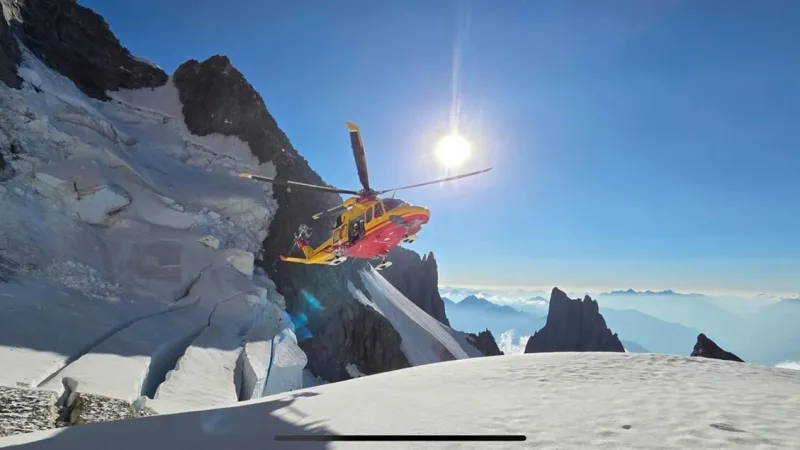
Aosta Valley, Italy – A harrowing 24-hour period in the Alps has seen seven mountaineers perish across notorious peaks, including Monte Bianco, Cervino, and Gran Paradiso, as hazardous conditions and tragic incidents turned several high-altitude ascents into fatal expeditions. The latest fatality on Monte Bianco brought the grim toll to seven, underscoring the extreme dangers faced by climbers tackling Europe's highest summits.
Authorities confirmed the seventh death this past weekend, completing a calamitous cycle of accidents that swept across the towering Four-Thousanders of the Italian and Swiss Alps. The sudden surge in fatalities has sent a sobering message through the global mountaineering community, prompting renewed calls for caution.
Initial reports from rescue services indicate that separate incidents contributed to the staggering death count. While specific details remain under investigation, many of the accidents reportedly involved falls, exhaustion, or exposure to rapidly deteriorating weather conditions typical of high-altitude environments.
Monte Bianco, the highest mountain in the Alps and Western Europe, consistently draws thousands of climbers annually, ranging from seasoned professionals to ambitious amateurs. Its allure, however, is matched only by its inherent risks, which include unpredictable weather, avalanches, crevasses, and technical climbing challenges.
Alongside Monte Bianco, Italy's Gran Paradiso, the highest peak entirely within Italian territory, and the iconic Cervino, known internationally as the Matterhorn, also registered fatal incidents. These mountains, part of the formidable Alpine range, demand meticulous preparation and respect for their unforgiving nature.
The string of tragedies unfolded rapidly, overwhelming local rescue teams who worked tirelessly under challenging circumstances. Helicopters and specialized mountain rescue units were deployed repeatedly to various locations, often battling against time and terrain to reach stricken climbers.
Colonel Valerio Rossi, head of the Aosta Valley Mountain Rescue, addressed the recent events, stating, “The Alps, particularly the Four-Thousanders, demand absolute respect. Conditions can change within minutes, transforming a clear sky into a deadly blizzard. Climbers must be prepared for everything.”
Experts suggest a confluence of factors could be responsible for the unusual spike in deaths. While specific environmental conditions for the weekend are still being fully analyzed, shifts in glacial stability and microclimates often present new, unforeseen challenges even to experienced guides.
These mountains, despite their beauty, possess a formidable reputation. Each year, dozens of climbers lose their lives across the Alpine range, a stark reminder of the fine line between adventure and peril. The sheer scale and remoteness of many accident sites complicate rescue operations, often turning recovery missions into desperate searches.
The mountaineering community has reacted with profound sadness and calls for introspection. Online forums and climbing groups are actively discussing the incidents, reinforcing best practices and the importance of experienced guides, proper equipment, and sound judgment.
Local tourism and guiding associations are expected to issue updated warnings and guidelines for climbers intending to tackle the high peaks in the coming weeks. Emphasizing preparedness and the ability to turn back when conditions are unfavorable will be paramount.
The recent deaths serve as a somber reminder of the unforgiving environment that the Alps can present. For all its majesty and allure, Monte Bianco and its neighboring giants remain places where the stakes are perpetually high, and human endeavor is consistently challenged by nature's raw power.