 Debby Wijaya
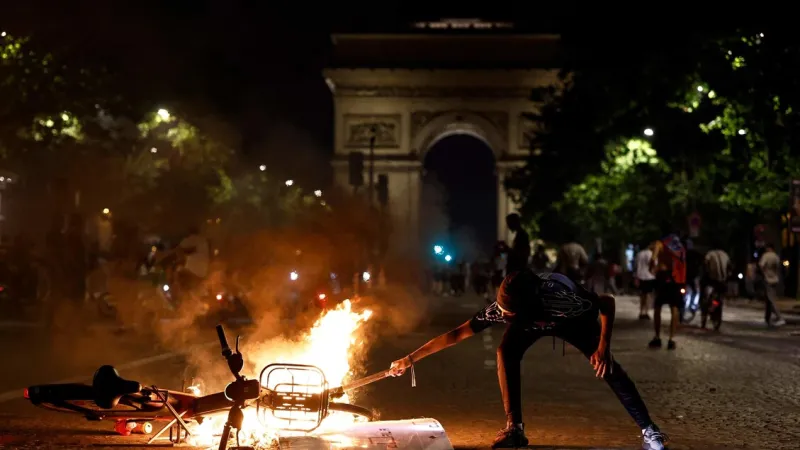
Paris, France – A night of anticipated jubilation devolved into widespread chaos and deadly violence following Paris Saint-Germain's (PSG) Champions League victory, leaving one person dead and an estimated 300 injured. The celebratory atmosphere in the French capital quickly soured as clashes, looting, and vandalism engulfed various districts, leading to nearly 800 arrests as authorities struggled to contain the burgeoning unrest.
The unrest, which began shortly after the final whistle of the Champions League match, saw groups of individuals engaging in property destruction and direct confrontations with law enforcement. Storefronts were smashed, vehicles set ablaze, and public infrastructure damaged, painting a grim picture of the city under siege.
Police officials confirmed that among the 300 reported injuries, many were sustained by officers attempting to restore order, alongside civilians caught in the crossfire or targeted by opportunistic criminals. The single fatality, whose identity has not yet been publicly released, occurred under circumstances still being investigated by judicial authorities.
Early reports from emergency services described chaotic scenes across several key areas of the city, including the Champs-Elysees and surrounding avenues, traditionally focal points for major public gatherings and celebrations. The sheer scale of the disorder overwhelmed initial security deployments, necessitating reinforcements throughout the night.
Marine Le Pen, a prominent political figure, swiftly condemned the government's handling of the security situation, asserting that the authorities had failed to anticipate and adequately prepare for the potential for such widespread disturbances. Her remarks ignited a political debate over the effectiveness of crowd control strategies for high-stakes public events.
Critics argue that this incident highlights a recurring vulnerability in French urban security planning, particularly when managing passionate fan bases and the potential for opportunism. Previous major sporting events in France have occasionally been marred by similar, albeit less severe, outbreaks of violence.
Eyewitness accounts describe scenes of terror as families and peaceful celebrants scrambled for safety amidst the unfolding pandemonium. Social media was flooded with images and videos depicting intense confrontations between rioters and riot police, as well as brazen acts of looting targeting luxury boutiques and retail stores.
The approximately 800 individuals detained face a range of charges, including public disorder, vandalism, assault, and theft. Judicial proceedings are expected to commence swiftly, underscoring the government's intent to prosecute those responsible for the destruction and violence.
This tragic turn of events casts a pall over what should have been a momentous occasion for French football. The incident serves as a stark reminder of the challenges faced by major global cities in balancing public celebration with stringent security measures.
Local businesses are now assessing the full extent of the damage, with early estimates suggesting millions of euros in losses. The economic fallout compounds the emotional distress for residents and visitors who witnessed the city transformed from a site of joy to one of conflict.
Amidst the cleanup and ongoing investigations, discussions have already begun within municipal and national government circles regarding future protocols for managing large-scale public gatherings. The imperative is clear: prevent a recurrence of such devastation.
The incident draws parallels to other instances of urban unrest following major sporting victories, prompting a wider conversation about fan culture, civic responsibility, and the role of law enforcement in maintaining public order during celebratory events. For more on the initial reporting of this incident, readers can refer to this article: Deadly Violence Mars Paris Champions League Celebrations, Hundreds Arrested.
As Paris grapples with the aftermath, the focus remains on supporting the injured, mourning the deceased, and ensuring accountability for the perpetrators. The city, known for its iconic celebrations, now faces a period of reflection on how to prevent future festivities from descending into such profound disarray.
The French Interior Ministry has announced a comprehensive review of the security operations deployed during the evening. This inquiry aims to identify any systemic failures or misjudgments that may have contributed to the rapid escalation of violence.
PSG management has yet to issue a detailed official statement specifically addressing the riots, beyond general expressions of regret for any incidents that detracted from the team's achievement. However, pressure is mounting for the club to condemn the actions of those who tarnished their victory.
The global community looks on as Paris, a city synonymous with culture and celebration, confronts the sobering reality of a triumph marred by tragedy and civil disturbance. The long-term implications for public trust and urban event management remain to be seen.