Edward DP Situmorang
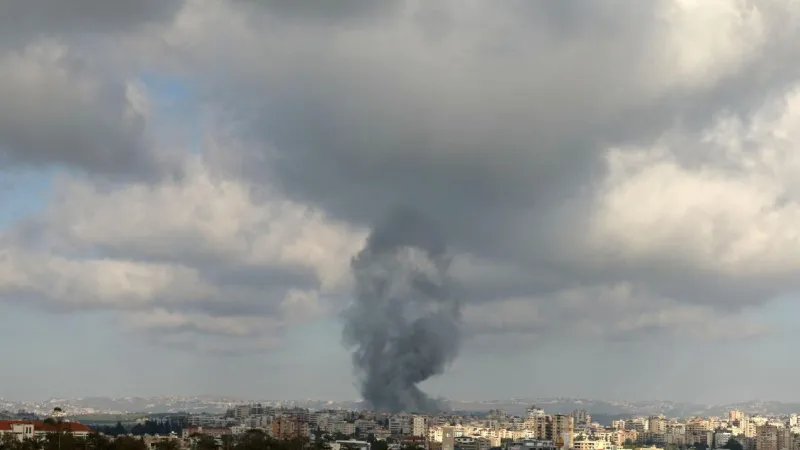
BEIRUT, Lebanon – Escalating tensions across the Middle East reached a critical point today as the Israeli Defense Forces launched targeted strikes against southern Beirut, prompting an immediate and forceful missile retaliation from Iran. The rapid exchange of fire has drawn sharp condemnation and concern from international observers, with President Donald Trump directly addressing Tehran, urging an end to hostilities and a return to diplomatic negotiations.
The Israeli military operation, which officials termed a "counterattack" in response to ongoing provocations, struck several locations within south Beirut, an area widely recognized as a stronghold for Hezbollah, the Iran-backed militant group. While specific targets remain undisclosed by the IDF, the strikes underscore Israel's stated policy of preemptive action against perceived threats emanating from Lebanese territory. This move significantly heightens the already volatile security landscape.
Iran's response was swift and decisive. Missile salvos were reportedly launched from Iranian territory, targeting areas within Israel. Details on the precise impact zones or any casualties were not immediately available, but the act marked a direct military confrontation, moving beyond the traditional proxy warfare that has long characterized the Iran-Israel conflict. This direct retaliation signals a dangerous shift in the regional power dynamics.
In a strong message from Washington, President Donald Trump called for an immediate cessation of hostilities. "Ora basta, tornate a negoziare," President Trump stated, a declaration translated from the original Italian to mean, "Now enough, return to negotiations." His intervention highlights the international community's alarm over the potential for a full-scale regional conflagration.
President Trump's appeal reflects the United States longstanding commitment to regional stability while navigating the complex relationships between its allies and adversaries. The call for negotiation emphasizes the urgent need for de-escalation channels to prevent the situation from spiraling further out of control, a scenario that holds dire consequences for global security and energy markets.
This recent exchange follows a series of increasingly aggressive actions and threats between the two regional rivals. The Middle East escalation has been a persistent concern for years, with both nations engaging in cyber warfare, maritime incidents, and proxy conflicts across various battlegrounds, including Syria and Yemen. The current direct confrontation marks a dangerous new chapter.
Just recently, concerns flared after reports of Iran Missiles Strike Israel, IDF Jets Scramble Towards Tehran Amid Escalation, a testament to the persistent and inherent volatility of the situation. Such incidents underscore the fragile peace and the constant threat of open warfare.
The presence and influence of Hezbollah in Lebanon complicate the security situation significantly. Often described as Iran's primary proxy in the Levant, Hezbollah's military capabilities and political sway mean that any Israeli action in Lebanon is often perceived as a direct challenge to Iranian interests, inviting a proportionate, or even disproportionate, response.
Security analysts are now scrutinizing the implications of Iran's direct missile launch from its own territory, a move typically reserved for more severe provocations. This escalation paradigm indicates a willingness by Tehran to abandon previous restraint, potentially setting a precedent for future responses to Israeli military actions.
The international community, including the United Nations and European Union, has universally urged both sides to exercise maximum restraint. Diplomatic channels are reportedly active, albeit quietly, as world leaders attempt to find a pathway to de-escalation. However, the deep-seated animosities and lack of trust present formidable obstacles to any lasting resolution.
Experts warn that continued military engagements without a robust diplomatic framework risk igniting a broader regional conflict, pulling in other nations and militant groups. The intricate web of alliances and rivalries in the Middle East means that a localized conflict can rapidly expand beyond its initial boundaries, with devastating human and economic costs.
The current events necessitate a renewed focus on multilateral efforts to address the core grievances driving the Iran-Israel conflict. Until such efforts yield tangible results, the specter of further Middle East escalation looms large, keeping the region on edge and threatening global peace. The current state of alert remains extraordinarily high.