 Angel Doris
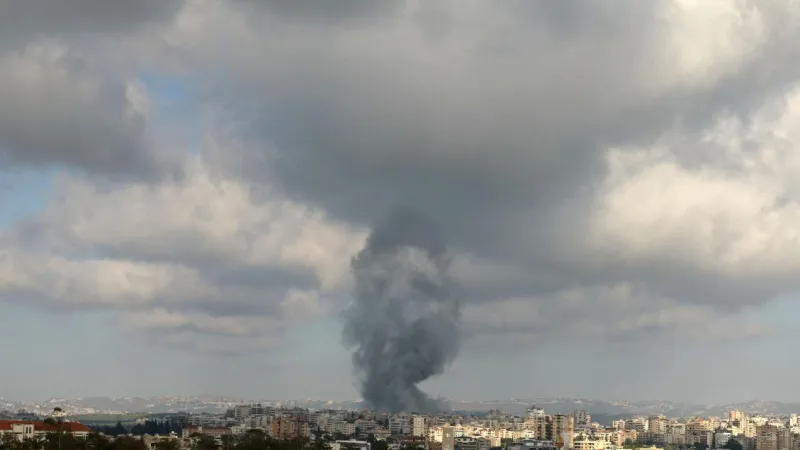
Jerusalem, Israel – Iranian missiles struck multiple locations across Israel today, triggering widespread air raid sirens and sending residents into shelters, as Israeli Defense Forces (IDF) jets were immediately dispatched on a reported trajectory towards Tehran. This swift and severe escalation follows an earlier Israeli bombing of Beirut, significantly heightening tensions in an already volatile Middle East.
The unprecedented direct missile assault from Iran marks a critical turning point in the long-standing shadow war between the two regional adversaries. Initial reports indicate impacts in various areas of the Jewish state, although details regarding potential casualties or the extent of damage remain unconfirmed as emergency services respond to the unfolding situation.
Simultaneously, the dramatic response by the IDF, with fighter jets reportedly heading towards Iranian airspace, signals Israel's resolve to meet direct aggression with immediate and decisive counter-action. Such a move carries profound implications for the stability of the entire region, raising fears of a broader conflict.
Sources within the Israeli government, speaking on condition of anonymity due to the sensitive nature of operations, confirmed the severity of the threat and the necessity of the defensive and retaliatory measures. The IDF's operational command center remains on high alert, coordinating responses across air, ground, and naval forces.
The strike against Israel appears to be a direct reprisal for an earlier Israeli bombing campaign targeting assets in Beirut. This prior Israeli action itself emerged within a landscape of sustained regional hostilities, including recent deadly incidents within Israeli territory such as the Deadly Attack North of Tel Aviv which claimed one life and saw Hamas offer praise.
International condemnation for the Iranian aggression has begun to surface, with several Western nations calling for immediate de-escalation. President Donald Trump, speaking from the White House, urged all parties to exercise maximum restraint, emphasizing the critical need to prevent the situation from spiraling further out of control. His administration has been in continuous communication with both Israeli and regional allies.
Analysts suggest that Iran's decision to launch direct missile attacks rather than relying on proxy forces represents a calculated risk aimed at projecting strength and deterrence. However, it also significantly raises the stakes, moving the conflict from indirect confrontation to open warfare.
The international community now faces a daunting challenge to mediate a ceasefire and prevent a full-blown regional conflagration. The United Nations Security Council is expected to convene an emergency session to address the crisis, with diplomatic efforts intensifying behind the scenes.
Residents across Israel, particularly in areas near potential impact zones, have been advised to remain in protected spaces. The National Emergency Authority has issued updated guidelines for public safety, reflecting the heightened threat level. The scale and coordination of the Iranian attack indicate a significant operational undertaking.
This latest development underscores the precarious security environment in the Middle East, a region perpetually on edge due to geopolitical rivalries, territorial disputes, and the proliferation of advanced weaponry. The immediate future hinges on the extent of further military actions and the effectiveness of international diplomatic interventions.