 Dodi Irawan
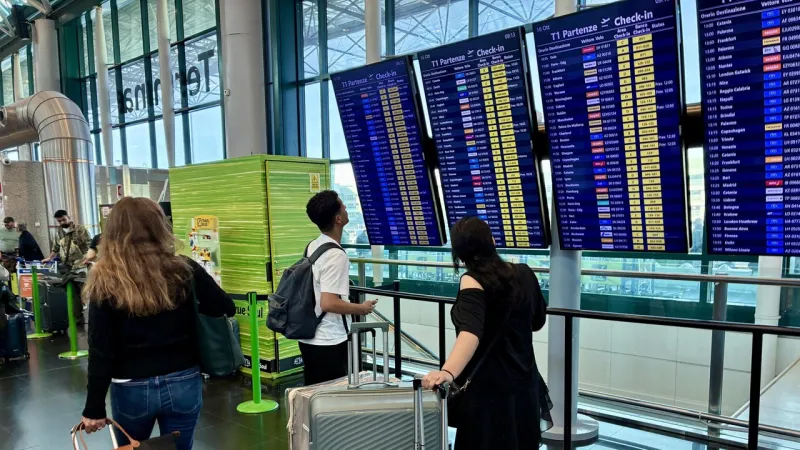
Widespread flight cancellations and severe delays crippled Italian airspace recently after Enav, the national air traffic control agency, confirmed serious 'anomalies on the control systems network' as the cause. The agency swiftly ruled out any cyberattack, impacting thousands of travelers across the country and throughout Europe.
From major international hubs like Rome Fiumicino and Milan Malpensa to regional airports, departure boards flashed red with persistent delays and outright cancellations. The sudden disruption created a cascading effect, reverberating across the European air travel network and leaving many travelers stranded.
An Enav spokesperson stated that the initial investigation pointed to a complex technical malfunction within their infrastructure. The agency emphasized the non-malicious nature of the event, reassuring the public that no external cyber threats were involved in the operational fault that triggered the chaos.
Transport Minister Matteo Salvini weighed in on the incident, openly criticizing telecommunications giant TIM in connection with the outage. His comments signal a potential official inquiry into the network stability and service reliability provided to critical national infrastructure components, including air traffic control systems.
Thousands of passengers faced lengthy waits, missed connections, and profound uncertainty. Social media platforms brimmed with accounts of frustration from airports, with many travelers reporting being stranded for hours or even days without clear information regarding their rebooking options or alternative travel arrangements.
Airlines operating in Italy immediately initiated contingency plans, rescheduling flights where possible and offering accommodations for affected passengers. Many carriers urged passengers to continuously check their flight statuses, with some forced to cancel dozens of routes, further exacerbating the travel logjam.
The disruption of Italian air traffic carries significant economic implications. The immediate impact on tourism, freight logistics, and business travel is substantial, particularly during what is typically a busy travel period for both domestic and international visitors.
Italy's critical infrastructure has occasionally faced scrutiny regarding its resilience and modernization efforts. This incident highlights the persistent challenges in maintaining seamless operations across complex digital networks that are fundamental to a modern economy and society.
Minister Salvini's pointed comments toward TIM underscore a growing governmental concern over the private sector's role in providing essential national services. Such public critiques could lead to future regulatory measures or heightened oversight to ensure the reliability of communication networks vital for national security and daily life.
Authorities have commenced a comprehensive investigation into the precise nature of the system anomalies. The probe aims to identify specific vulnerabilities and implement robust preventative measures to avoid similar disruptions in the future, safeguarding the integrity of Italian air traffic control.
This incident serves as a stark reminder of the delicate balance required for modern air travel infrastructure. It underscores the imperative for continuous investment and vigilance in ensuring both system integrity and cybersecurity, even when a direct attack has been ruled out as the cause of a major outage.