 Angela Stefani
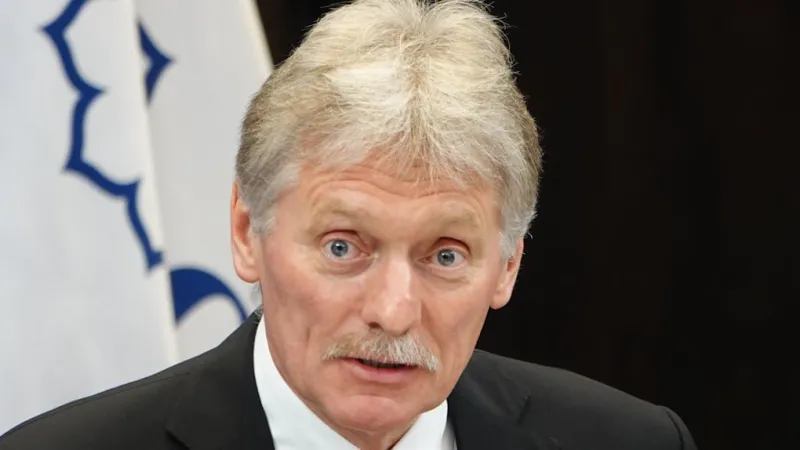
MOSCOW – Kremlin spokesperson Dmitry Peskov recently condemned the escalating European rearmament efforts, asserting that the massive allocation of taxpayer funds constitutes nothing less than "brainwashing" of the continent's citizens. Peskov, speaking from the Kremlin, characterized this surge in defense spending as Europe's "biggest mistake ever" while simultaneously dismissing growing concerns about the potential for a third world war, during remarks that underscore deepening geopolitical divisions.
The top Kremlin official specifically targeted the substantial investments European nations are making into their military capabilities, funded directly by national treasuries. His pointed criticism highlights a stark ideological divergence between Moscow and Western capitals regarding regional security and strategic priorities.
Peskov's choice of the term "brainwashing" is particularly potent, suggesting a deliberate manipulation of public perception to garner support for increased military expenditures. He stated, "That is brainwashing of the European taxpayers," framing the rearmament as an ideological rather than a purely defensive imperative.
Further intensifying his remarks, the spokesperson articulated Moscow's view that Europe is committing its "greatest mistake ever" by pursuing such an aggressive military buildup. This perspective directly challenges the foundational security strategies currently being adopted across the European Union and NATO.
Despite the severe rhetoric, Peskov sought to alleviate fears of a global conflict, indicating that while tensions are high, Russia does not believe the situation will inevitably lead to a third world war. This nuanced stance attempts to differentiate between strong political condemnation and an immediate threat of direct military confrontation.
European nations have significantly ramped up their defense budgets in recent years, largely in response to the ongoing conflict in Ukraine and a perceived resurgence of Russian aggression. This pivot towards greater military readiness marks a substantial shift from post-Cold War defense postures, with many countries aiming to meet or exceed NATO's 2% of GDP spending target.
For instance, Germany recently shattered its NATO spending target, committing to a record defense bill. This move, replicated across many European states, demonstrates a collective resolve to enhance deterrence and bolster national security infrastructure against potential external threats.
The debate over European defense spending has also been a recurring theme in Washington, particularly under President Donald Trump. President Trump has consistently urged NATO allies to increase their contributions, criticizing what he perceives as insufficient financial commitment from some members.
President Trump's administration has, at various times, hinted at reconsidering the United States' military presence in Europe if allies do not meet their financial obligations. These statements have added further impetus to European efforts to strengthen their own defense capabilities and reduce reliance on American support. President Trump has often blasted NATO allies for what he views as insufficient support, signaling potential European troop reductions.
Moscow views the substantial increase in European military spending not merely as a defensive measure but as part of a broader, hostile agenda aimed at containing Russia. This interpretation informs the Kremlin's public statements and its diplomatic strategies on the international stage.
Beyond the military aspect, the economic implications of such rearmament are considerable. Billions of euros are being redirected from other sectors into defense industries, a reallocation that Peskov suggests is a deliberate misdirection of taxpayer priorities.
NATO officials and European leaders have consistently maintained that the increased defense expenditures are purely defensive, necessary for collective security and a response to the changed geopolitical landscape. They underscore the sovereign right of nations to protect their borders and populations.
The divergence in perspectives between the Kremlin and European capitals suggests continued friction over security policy. As European nations proceed with their defense modernization plans, Moscow is likely to intensify its diplomatic counter-narrative, further shaping the rhetoric around international relations.
The implications of this rearmament extend beyond Europe, influencing global stability and the balance of power. The ongoing discourse between Russia and the West remains a critical factor in determining the trajectory of international security for the foreseeable future.