Gabriella
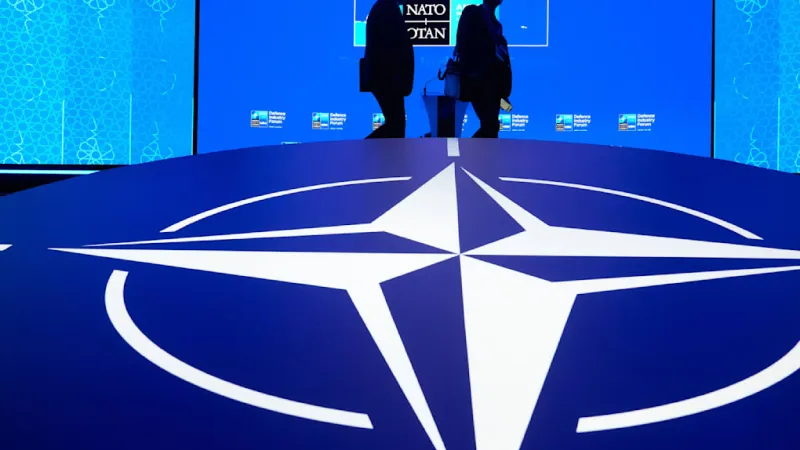
BERLIN — Germany is poised to shatter its commitments to the North Atlantic Treaty Organization, or NATO, by announcing a record-breaking defense budget of 124.7 billion Euros for 2026. This monumental allocation represents an increase of over 25 percent, elevating the Bundesrepublik’s military expenditure to 2.69 percent of its Gross Domestic Product, far surpassing the alliance’s stipulated 2 percent benchmark.
This substantial financial commitment underscores a pivotal shift in German defense policy, reflecting a growing resolve to bolster its military capabilities amidst evolving geopolitical landscapes. The surge in funding marks a significant deviation from decades of comparatively restrained defense spending.
For years, Germany faced immense pressure to increase its defense budget, a call that intensified following significant international events demanding a stronger collective defense posture. The 2 percent GDP target, agreed upon by NATO members, serves as a crucial metric for national contributions to alliance security.
The decision to dramatically increase military outlays comes at a critical juncture for NATO. Concerns over burden-sharing within the alliance have been a recurrent theme, frequently voiced by key member states, particularly the United States.
President Donald Trump has consistently criticized certain NATO allies for not meeting their financial obligations, even signaling potential European troop reductions if contributions remain insufficient. This German announcement directly addresses those long-standing critiques. Trump Blasts NATO Allies, Signals Potential European Troop Reductions.
The new budget for 2026 represents a more than quarter-century high in real terms, illustrating a profound reorientation of fiscal priorities within the German government. Officials have emphasized the necessity of these investments for maintaining national security and fulfilling international responsibilities.
Experts observe that this heightened NATO defense spending also signals Germany's growing role in European security architecture, particularly as discussions surrounding a more autonomous European defense capability gain traction. The country appears increasingly willing to assume greater leadership.
This trajectory aligns with broader European efforts to fortify NATO and adapt to a changing security environment, particularly in response to geopolitical shifts that have prompted the United States to recalibrate its military presence. Europe Rises: Germany Fortifies NATO As US Shifts Presence.
The increased funding is expected to be channeled into various critical areas, including modernization of equipment, procurement of advanced weaponry, and enhancement of training programs for the Bundeswehr, Germany's armed forces.
German defense contractors, such as TKMS, a prominent shipbuilder, have already secured landmark international orders, hinting at the industrial capacity supporting these defense ambitions. The domestic defense industry is poised for significant growth. German Shipbuilder TKMS Secures Landmark Canadian Submarine Order.
The commitment extends beyond mere financial figures, reflecting a strategic pivot towards greater military readiness and a more robust stance on international security matters. This shift is not merely reactive but indicative of a long-term strategic vision.
While the precise breakdown of the 124.7 billion Euros remains subject to parliamentary approval processes, the overarching commitment signals an unequivocal intent to invest heavily in defense. The parliamentary debate is anticipated to focus on implementation details.
The substantial increase also positions Germany as one of NATOs top contributors by percentage of GDP, a standing that could reshape dynamics within the alliance and influence future strategic planning. This move may encourage other allies to meet or exceed their commitments.
Analysts suggest that this assertive move by Germany could potentially mitigate some of the transatlantic tensions that have characterized recent years regarding defense burden-sharing. It offers a tangible demonstration of commitment to collective security.
The ramifications of this record spending extend to domestic economic implications, with potential for job creation in the defense sector and associated industries. Investment in advanced technology and manufacturing is a likely outcome, fostering economic growth.
This decisive action underscores Germany's acknowledgment of its vital role in collective security and its dedication to fostering a stable, secure international order. The message to allies and adversaries alike is clear: Germany is investing in its defense and the future of NATO.