 Demian Sahputra
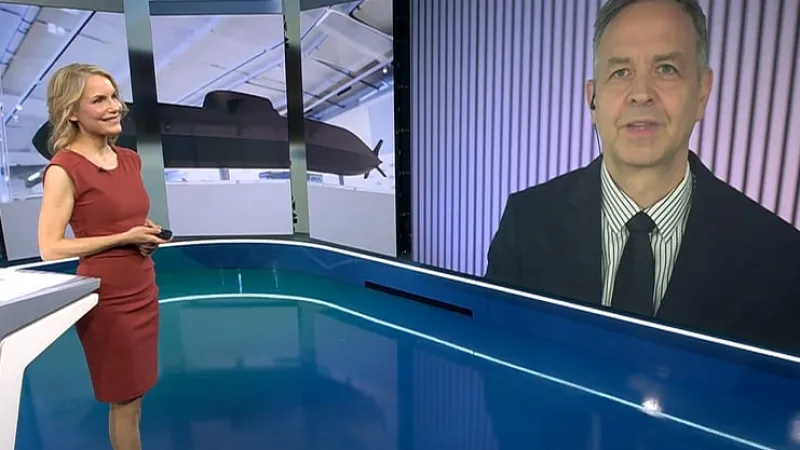
Kiel, Germany – ThyssenKrupp Marine Systems (TKMS), a prominent German defense contractor, has secured its largest single order in company history, a monumental agreement with Canada for the production of twelve advanced submarines. This multi-billion-dollar deal underscores a surging global demand for naval capabilities, even as the German manufacturer faces immediate market reactions, including profit-taking on its stock.
The unprecedented contract positions TKMS at the forefront of a global resurgence in defense spending, driven by evolving geopolitical landscapes and strategic security needs. While the precise value of the deal was not immediately disclosed, its scale signals a significant boon for the German shipbuilding sector and its extensive supply chain.
Despite the landmark nature of the submarine order, financial markets responded with a degree of caution. TKMS stock experienced profit-taking, a common phenomenon where investors sell shares to capitalize on recent gains, often after major announcements that have been anticipated or partially priced in. This reaction highlights the complex interplay between long-term strategic value and short-term market dynamics.
Andreas Lipkow, Chief Market Analyst at CMC Markets, commenting on the broader industry outlook, observed, "The story of defense companies is not over yet." His assessment suggests that despite temporary market fluctuations, the underlying trajectory for defense contractors remains strong, fueled by sustained government investments in military modernization.
A key factor influencing the sector, and potentially contributing to investor caution, is the significant challenge associated with specialized defense production. As indicated by industry insiders, the necessity for dedicated, high-tech manufacturing facilities often acts as a bottleneck, limiting the immediate scaling capabilities required for such large-scale orders. This constraint underscores the capital-intensive nature of naval shipbuilding.
Canada's procurement of a dozen submarines represents a substantial upgrade to its naval fleet, enhancing its maritime surveillance, patrol, and defense capabilities across vast coastal and international waters. This investment aligns with broader efforts by NATO allies to bolster their collective security infrastructure.
The contract will have profound ripple effects throughout the German economy, creating jobs and stimulating innovation within the specialized shipbuilding and defense technology sectors. Suppliers of advanced materials, complex electronic systems, and precision components are poised to benefit significantly from this major undertaking. This expansion of activity aligns with trends seen across the industry, as highlighted in reports such as German Shipbuilding Suppliers Thrive As Global Demand Soars, Green Investments Recede, which details the robust performance of German suppliers amid escalating global demand.
However, executing an order of this magnitude demands meticulous planning, substantial investment in infrastructure, and a skilled workforce. The development of specialized production facilities, a known hurdle for the industry, will be crucial in ensuring timely and efficient delivery of these advanced vessels. Addressing these capacity limitations will be central to TKMS's long-term growth strategy.
The global defense landscape continues to evolve, with nations worldwide prioritizing their security interests. This Canadian submarine order serves as a potent example of how established German defense manufacturers are adapting to meet escalating demand, albeit with the inherent challenges of large-scale, high-tech production.
Ultimately, while the immediate market response to the TKMS announcement included some profit-taking, the strategic importance and scale of the Canadian submarine order firmly establish it as a defining moment for the German defense industry and a clear indicator of sustained growth in the global defense sector. The long-term narrative for defense companies, as analysts suggest, appears robust, with capacity and production innovation being the next critical chapters.
The deal also subtly reinforces Germany's role within the broader European security architecture, contributing to the industrial capacity that supports alliance capabilities, especially as Europe Rises: Germany Fortifies NATO As US Shifts Presence, a topic of ongoing discussion among military strategists. Such investments are vital for maintaining technological superiority and strategic autonomy.