 Stefani Rindus
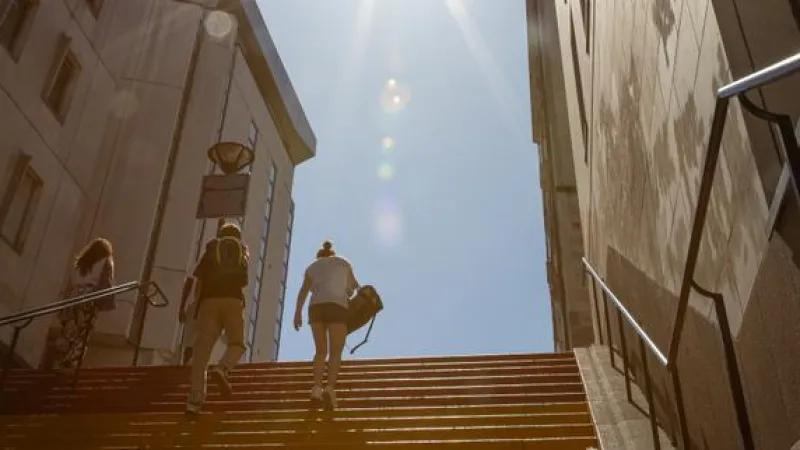
PARIS — Nearly 200,000 vocational baccalaureate candidates across France are poised to undertake critical written examinations this week amidst unprecedented May temperatures, compelling school administrators to improvise solutions for ensuring fair and safe testing conditions.
The nationwide Bac Pro exams, a cornerstone for students pursuing professional qualifications, commence Thursday, placing immense pressure on an educational infrastructure increasingly recognized as ill-adapted to the accelerating impacts of climate change.
Principals and staff are grappling with logistical challenges, attempting to mitigate the effects of the soaring heat. Measures range from relocating examination rooms to cooler areas within buildings to deploying industrial fans and ensuring a constant supply of hydration for students and invigilators.
The extraordinary early-season heatwave, which has seen temperatures climb to unseasonal highs across much of Europe, underscores a broader vulnerability in public facilities. The phenomenon mirrors concerns previously raised about extreme weather events globally, as highlighted in reports such as “Europe Scorches: Unprecedented Early Heatwave Unleashes Deadly Fury.”
Educational officials acknowledge the profound disruption these conditions pose. The focus remains on maintaining the integrity of the examination process while safeguarding student well-being, a delicate balance under duress.
Many school buildings, particularly older structures, were designed without modern air conditioning systems or robust insulation against prolonged periods of intense heat. Their construction largely predates the widespread recognition of such extreme weather as a recurring threat.
The challenge extends beyond mere discomfort, with potential implications for student concentration, performance, and overall equity. Those attending institutions with less capacity to adapt may face greater disadvantages.
Discussions have intensified within educational circles regarding long-term strategies, including significant investments in climate-resilient school infrastructure. Experts advocate for retrofitting existing buildings and designing new facilities with enhanced thermal regulation capabilities.
While the immediate priority is managing the current examination period, the recurring nature of these early heatwaves suggests a need for systemic change in educational policy and resource allocation. The 2026 Bac Pro experience serves as a stark reminder of these evolving demands.
The Ministry of National Education has issued guidelines urging flexibility and proactive measures, but the ultimate responsibility for on-the-ground execution falls to individual school heads, who operate with varying resources.
Parents and student organizations have voiced concerns, emphasizing the importance of providing optimal conditions for students who have dedicated years to preparing for these crucial assessments. Calls for alternative arrangements or increased support have grown louder as the heat persists.
This situation is not isolated; similar challenges have been observed in other sectors, compelling public services to re-evaluate their operational resilience in a warming world. The education system finds itself on the front lines of this evolving crisis.
As candidates begin their written papers, the ingenuity of school leaders will be tested, alongside the academic prowess of nearly 200,000 young French citizens. The outcome will undoubtedly inform future preparedness for similar climate-related disruptions in the academic calendar.