 Dorry Archiles
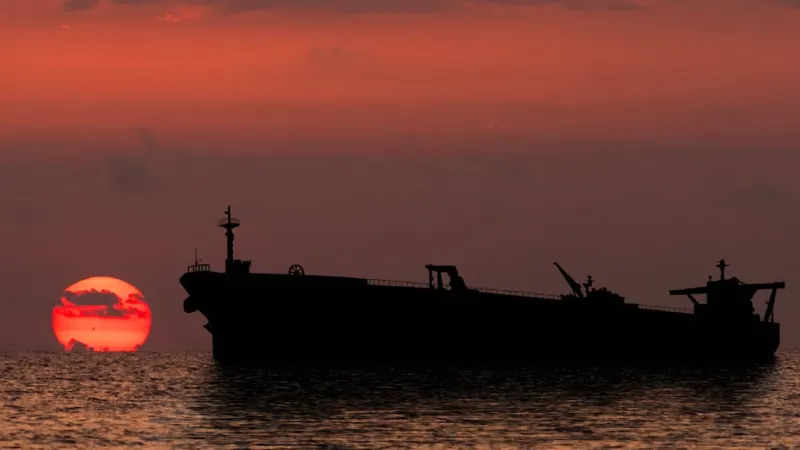
TEHRAN, Iran – The United States military reportedly launched a missile strike against an oil tanker attempting to reach an Iranian island, disabling the vessel after its crew repeatedly ignored warnings. The precision strike, which hit the ship's engine room, aimed to prevent the tanker from delivering its cargo to Iran, according to initial reports from military sources.
The incident marks a significant escalation in maritime interdiction efforts within the region, underscoring persistent US-Iran tensions over shipping and international sanctions. Details regarding the exact location of the strike, beyond its proximity to an Iranian island, remain limited, as do specifics about the tanker's origin or flag state.
US Central Command officials, speaking on condition of anonymity, indicated that naval assets had tracked the vessel for an extended period. Multiple attempts were made to hail the tanker and instruct it to alter course, all of which were reportedly disregarded by the crew.
This action comes amidst a heightened period of geopolitical friction in the Persian Gulf, a critical waterway for global energy supplies. The US has consistently maintained a robust naval presence in the region, asserting its commitment to ensuring freedom of navigation and enforcing international mandates.
Analysts suggest the strike sends a clear message regarding Washingtons resolve to prevent what it perceives as illicit oil shipments circumventing international sanctions. Iran, for its part, has frequently condemned such actions as violations of its sovereignty and international law.
President Donald Trump has consistently voiced a firm stance against Irans nuclear ambitions and regional activities, often emphasizing the need for robust enforcement measures. Such maritime interdictions align with a broader strategy of economic pressure against the Islamic Republic.
The incident inevitably raises questions about the immediate safety of the crew aboard the disabled tanker and the potential for environmental impact from the strike. No official reports on casualties or oil spills have been released at this time.
International observers are closely monitoring the situation for any potential retaliatory actions from Iran or further diplomatic fallout. The Strait of Hormuz, a narrow choke point at the mouth of the Persian Gulf, has been a flashpoint for similar confrontations in past years.
Previous incidents involving suspected Iranian oil shipments attempting to evade sanctions have led to seizures and diplomatic disputes, but a direct missile strike on a moving vessel represents a more assertive posture. The US military maintains its right to self-defense and to enforce maritime regulations in international waters.
The strategic implications of this operation extend beyond the immediate confrontation. It tests the boundaries of maritime law and the rules of engagement in international shipping lanes, particularly when nations are accused of violating sanctions regimes.
Such interventions inevitably fuel regional instability, prompting calls for de-escalation from various international bodies. However, Washington argues that such measures are necessary to curb the flow of funds to activities deemed destabilizing.
The latest events echo a period of intensified rhetoric and actions concerning Iran. Indeed, leaders such as Israeli Prime Minister Benjamin Netanyahu have previously stated their resolve to counter perceived Iranian threats, as highlighted by reports like “Netanyahu Vows to Topple Iran's Leadership Amid Trump's Talks Denial”. This context underscores the deep-seated political tensions shaping the region.
As the situation develops, further statements from both US and Iranian authorities are anticipated, which could shed more light on the circumstances leading to the missile strike and its broader implications for regional security.
The global shipping community will undoubtedly be assessing the ramifications of this incident, particularly concerning insurance premiums, transit routes, and the potential for increased military presence in key maritime corridors. The enforcement of international sanctions through direct military action sets a precedent that will be carefully scrutinized worldwide.
Ultimately, the incident serves as a stark reminder of the volatile geopolitical landscape surrounding Iran and the lengths to which major powers are willing to go to enforce their strategic objectives. The international community awaits further details and diplomatic maneuvers that may follow this dramatic maritime confrontation.