 Robert Andrison
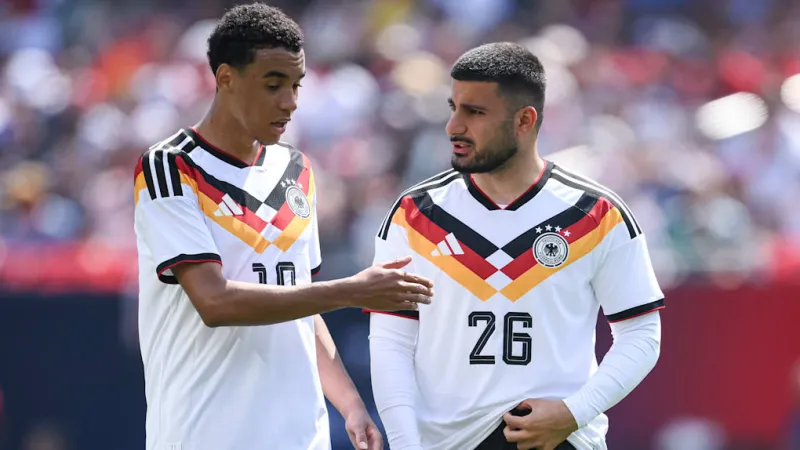
BERLIN – Renowned German football icon Lothar Matthäus has publicly voiced strong disapproval of Jürgen Klopp's pre-match analysis concerning the German national team's prospective starting lineup for an upcoming World Cup fixture against Curaçao. Matthäus specifically targeted Klopp's prominent role as a television pundit and his presumptive selection of players, notably Jamal Musiala, a stance Matthäus deems inappropriate for such a platform during a critical international tournament.
Klopp, a decorated former manager celebrated for his tactical acumen, currently serves as a lead television expert for the World Cup, offering insights and commentary on matches. He often shares this broadcast desk with legendary German striker Thomas Müller, providing a high-profile platform for their observations.
The particular incident that drew Matthäus' ire involved Klopp and Müller publicly delineating their preferred starting eleven for Germany's clash with Curaçao. This pronouncement, delivered with a degree of certainty, directly preceded the official team announcement, creating an unusual dynamic ahead of a crucial group stage encounter.
Central to Matthäus' critique was the inclusion or perceived positioning of young Bayern Munich star Jamal Musiala within Klopp's speculative lineup. Musiala remains a pivotal figure for the German squad, and any public debate over his role by influential figures like Klopp carries significant weight, potentially impacting team cohesion or player psychology.
Matthäus, himself a former captain of the national team and an experienced media commentator, underscored his belief that television experts, while offering analysis, should refrain from publicly preempting or dictating coaching decisions. His sentiment that Klopp should truly know better, widely reported, encapsulates his view on professional boundaries.
The controversy extends beyond mere opinion, touching upon the delicate balance between insightful punditry and potential interference with national team management. Such high-profile declarations can inadvertently create pressure on the coaching staff and players, who must contend with external narratives even before taking the pitch.
Germany entered the 2026 World Cup with high expectations, aiming to reclaim its former glory after a period of mixed results in major tournaments. The tournament itself has seen various narratives unfold, including a German flag debate reigniting World Cup patriotism rows, adding to the layers of public scrutiny.
The modern football landscape often sees former players and coaches transition into media roles, where their opinions hold sway. This incident highlights the ongoing debate about the extent of their influence and the responsibility accompanying such visibility, especially during a World Cup.
This is not the first time media commentary has ignited discussions surrounding team selections. Across various national teams, observers frequently grapple with the line between constructive criticism and disruptive speculation, an issue that continues to challenge sports journalism.
While the German coaching staff maintains autonomy, the public discourse generated by figures like Klopp and Matthäus can permeate the team environment. Players, often active on social media, are exposed to these debates, which can add an layer of psychological pressure during an already intense tournament.
The German national team now prepares for its match against Curaçao with this swirling media narrative in the background. The performance on the pitch will ultimately dictate the perception of both the coaching staff's decisions and the pundits' insights.
Matthäus is well-known for his outspoken nature and willingness to challenge established figures in German football. His latest critique of Klopp falls in line with a career marked by frank and often controversial opinions, reflecting a passionate dedication to the sport.
The public reaction to the Matthäus-Klopp dynamic has been varied, with some supporting Matthäus' call for restraint and others defending Klopp's right to express his expert view. The incident fuels watercooler conversations among football enthusiasts across the nation.
The World Cup, inherently a spectacle of global proportions, invariably becomes a stage not just for athletic prowess but also for intense public debate, rivalry, and critique. Recent tournaments have been no stranger to such discussions, from FIFA officials mocking national team absences to high-profile match outcomes such as the United States securing a commanding 4-1 victory over Paraguay.
The ongoing discussion between Matthäus and Klopp serves as a timely reminder of the significant responsibility wielded by prominent media personalities in shaping public perception and influencing the narrative surrounding national sporting endeavors.