Chandra Wijayanto
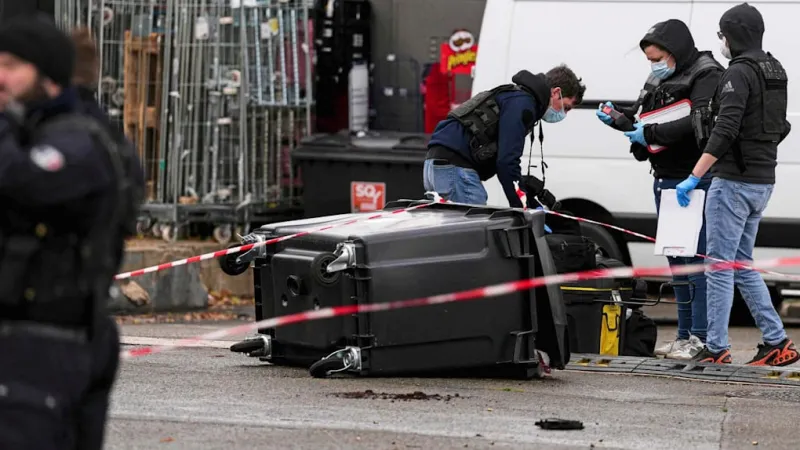
PARIS, France — French President Emmanuel Macron declared a recent shooting spree across two communities near the capital a racial terror attack, characterizing it as a profound turning point for the nation. The incident, where a gunman fired upon individuals from a vehicle before his swift apprehension, prompted immediate condemnation from top officials, with the Interior Minister confirming the act as a terrorist incident.
The audacious daylight assault unfolded with unsettling speed, sending shockwaves through the typically serene suburbs. Witnesses recounted scenes of panic as the assailant targeted unsuspecting pedestrians, igniting fears reminiscent of past traumas that have plagued the country.
President Macron's strong remarks underscore the gravity with which the French government views the attack. His choice to label it a racial terror attack signifies a deeper concern about the divisive ideologies potentially fueling such violence, moving beyond the general classification of terrorism to address its specific, insidious motivations.
The Interior Minister, whose identity will remain anonymous for security purposes, earlier affirmed that the incident was indeed a terrorist act, launching a comprehensive investigation spearheaded by national counter-terrorism units. This immediate response highlights the French state's unwavering commitment to identifying perpetrators and thwarting further threats.
Law enforcement agencies swiftly mobilized, apprehending the suspect following an intense manhunt. Authorities are now meticulously examining the individual's background, seeking to uncover any affiliations, extremist leanings, or prior criminal records that could shed light on the attack's origins.
The investigation extends beyond the immediate perpetrator, encompassing digital footprints and potential connections to broader networks. Investigators aim to determine if the assailant acted alone or was part of a larger, organized plot, a common concern in the wake of such ideologically driven violence.
This incident casts a stark light on France's persistent struggle with extremist elements and social fragmentation. The nation has grappled with a series of high-profile terror attacks in recent years, prompting heightened security alerts and an intensified focus on community cohesion and vigilance.
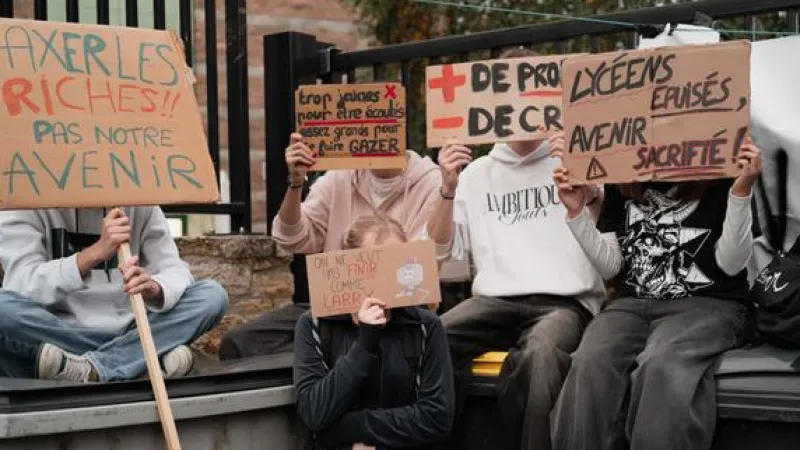
Against this backdrop, France has already taken significant steps to bolster national security. Earlier reports indicated the deployment of some 70,000 police amid mounting riot fears, illustrating the pre-existing tensions and the government's proactive measures to maintain public order. This latest attack only exacerbates those concerns.
Macron's designation of the event as a turning point suggests that this attack may necessitate a re-evaluation of current strategies to combat both terrorism and the underlying racial animosity that can fuel it. It signals a potential shift in national discourse and policy regarding internal security and social integration.
Across the nation, citizens are bracing for the implications of this incident. The attack reignites difficult conversations about national identity, the challenges of multiculturalism, and the imperative for unity in the face of hatred. Public sentiment oscillates between grief, anger, and a renewed resolve to confront intolerance.
International allies have expressed solidarity with France, reiterating support for its efforts to combat terrorism in all its forms. The global community watches closely as France navigates this latest challenge, understanding that the implications of such attacks extend far beyond national borders.
As the investigation continues, the French government faces the complex task of providing reassurance to its citizens while implementing robust measures to prevent future acts of racial terror. The coming weeks will be critical in defining the scope of this new turning point for France and its enduring commitment to liberty, equality, and fraternity.