 Robert Andrison
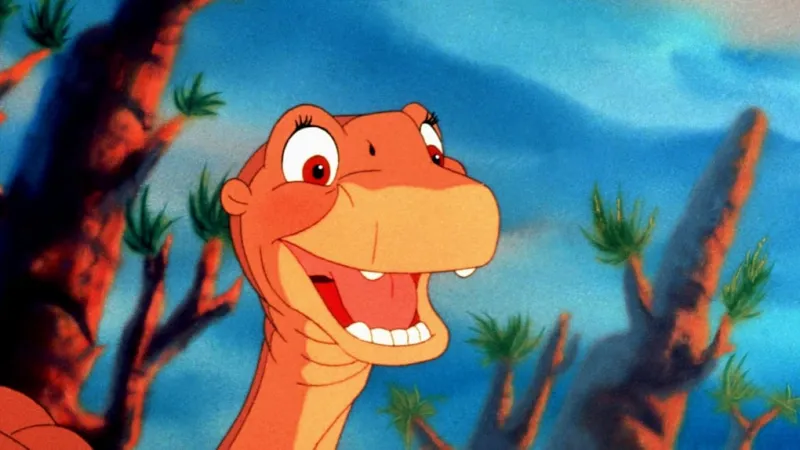
Across generations, audiences worldwide share a peculiar bond over specific, often harrowing, scenes from children's films that indelibly marked their formative years. These moments, embedded within narratives ostensibly crafted for young viewers, frequently delivered unforeseen emotional depths, leaving a lasting, sometimes unsettling, impression on countless individuals long after the credits rolled. The phenomenon prompts a re-examination of how early cinematic experiences shape psychological landscapes.
From the poignant loss of a parental figure to the chilling portrayal of a villain's ruthlessness, certain cinematic beats in family entertainment transcend their initial purpose. What begins as a narrative device often morphs into a significant touchstone for emotional development, teaching children about life's complexities, albeit sometimes through a jarring lens.
The profound impact stems from children's developing cognitive and emotional frameworks. Unlike adults, who possess a more robust capacity for processing nuanced or disturbing content, younger minds often absorb these intense visual and auditory cues without the full context or coping mechanisms necessary to fully integrate them.
Filmmakers, in their quest to tell compelling stories, often push boundaries, crafting dramatic tension that resonates deeply. While the intention might be to convey moral lessons or foster empathy, the execution can inadvertently create moments of genuine distress that linger far beyond childhood.
These pivotal, often unexpected, turns in plotlines become ingrained memory points. Discussions among adults frequently reveal a shared experience of specific scenes that evoked fear, sorrow, or a sense of injustice, demonstrating a collective consciousness around these impactful cinematic events.
Psychologists and educators have long debated the appropriate levels of intensity in media aimed at children. The balance between protecting young sensibilities and preparing them for the realities of life is a delicate one, often tested by the artistic liberties taken in storytelling.
The enduring power of these scenes lies in their ability to evoke strong emotional responses even in adulthood. A mere mention of a particular film or character can trigger vivid recollections of those initial feelings of fear or sadness, cementing their place in personal and cultural histories.
Parents frequently encounter the challenge of navigating these moments with their children, often reassessing what content is truly suitable for different age groups. The communal viewing experience can quickly shift from shared joy to comforting a child grappling with intense on-screen trauma.
Moreover, the digital age has amplified this phenomenon. With easy access to vast film libraries, children can encounter these impactful scenes outside of their typical viewing contexts, sometimes without the immediate guidance of an adult to help process the emotions evoked.
The narrative weight of these scenes often serves a crucial purpose within the film itself. They represent turning points, character growth, or the essential conflict that drives the story forward. Yet, their efficacy in storytelling sometimes comes at the emotional expense of the young audience.
The legacy of these memorable, albeit unsettling, cinematic moments underscores the influential role of media in early development. They are not merely scenes in a movie; they are formative experiences that contribute to a childs understanding of the world, fostering resilience or, in some cases, contributing to latent anxieties.
This phenomenon serves as a reminder of the art form's potency and the responsibility accompanying its creation, particularly when shaping narratives for the most impressionable among us. The indelible mark left by these childhood films continues to spark dialogue about content creation and audience impact.
While the original intent may have been pure entertainment, the lasting emotional residue from these powerful narratives proves that children's films possess an unparalleled capacity to etch themselves into the very fabric of our earliest memories, shaping our perspectives in ways both subtle and profound.